




The Melody That Funded a Miracle
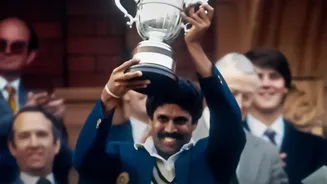
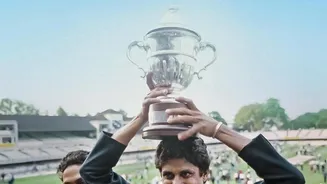
When Kapil Dev’s underdog team lifted the 1983 Cricket World Cup, it sent a nation into euphoria. What followed, however, was an awkward problem: the Board of Control for Cricket in India (BCCI), then a cash-strapped body, did not have enough funds to properly
reward its world champions. With the board struggling to gather even a respectable sum, cricket administrator Raj Singh Dungarpur reached out to his friend, the legendary singer Lata Mangeshkar. A passionate cricket fan, she agreed to perform at a special fundraising concert in Delhi, completely free of charge. The event was a massive success, raising ₹20 lakh—a huge sum at the time—which allowed each player to be awarded ₹1 lakh. The highlight was a unique song, 'Bharat Vishwa Vijeta', which the cricketers themselves sang on stage with the melody queen, cementing a bond between cricket and culture that funded the celebration of a generation-defining win.
A Champion's Calm Amidst Chaos
Abhinav Bindra’s gold at the 2008 Beijing Olympics was India’s first individual gold medal, a moment of immense national pride. But it almost didn't happen. Just minutes before the final of the 10m Air Rifle event, Bindra discovered that the sight on his rifle had been altered. During the five-minute sighting period, his first shot was a shocking 4, a score he hadn’t hit since he was a teenager. Panic set in. This was a moment of crisis that could derail years of meticulous preparation. However, Bindra had, in his own words, trained for such a scenario. Exhibiting incredible mental fortitude, he recalibrated his sights in the precious few minutes he had and went on to shoot a near-perfect final series, with his last shot being a stunning 10.8 to clinch the gold. Indian officials later stated the gun may have been tampered with, though no official complaint was filed.
The Captain's Unlikely Final Gamble
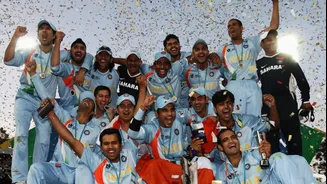
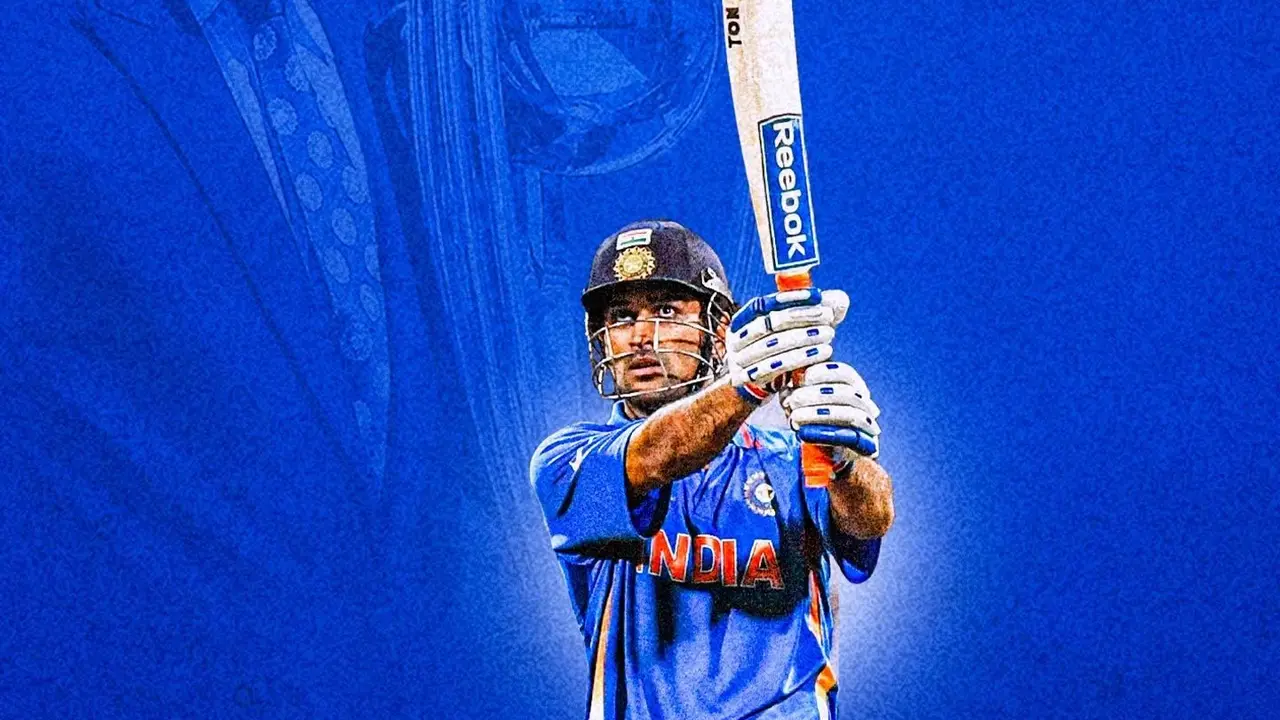
The 2007 T20 World Cup final was a nail-biter. With arch-rivals Pakistan needing 13 runs in the final over and a well-set Misbah-ul-Haq at the crease, captain MS Dhoni had a choice: give the ball to the experienced Harbhajan Singh or the untested Joginder Sharma. He chose Sharma, a decision that baffled many. But it wasn't a random punt. Dhoni knew Sharma well from their days playing domestic and corporate cricket, and trusted his temperament under pressure. Even Misbah later admitted he expected a pace bowler because the side boundaries were short, making it risky for a spinner. After a wide, a dot ball, and a massive six, Pakistan needed just six runs from four balls. The pressure was immense, but Dhoni’s faith paid off. Sharma bowled a slower ball, Misbah went for a scoop, and the ball landed safely in Sreesanth's hands at short fine-leg, sealing a historic victory built on a captain's calculated risk.
The Goal from the 16th Man
India's only Men's Hockey World Cup triumph came in 1975, with a tense 2-1 final victory over Pakistan in Kuala Lumpur. The winning goal is a celebrated moment in Indian sports history, but the story of the goalscorer, Ashok Kumar, is less known. Kumar, the son of hockey wizard Dhyan Chand, was initially added to the squad as the 16th man, and his chances of even playing were slim. Having been part of the teams that fell short with bronze and silver in the previous two World Cups, he was determined to change India's fortunes. In the final, after Surjit Singh had equalised for India, the decisive moment came in the 51st minute. Following a long corner, Kumar received a pass, skillfully controlled it, and flicked it into the goal to secure the historic win. It was a moment of redemption for a player who almost didn't make the main squad, a goal that finally removed the 'chokers' tag from Indian hockey.
The Anchor Who Forgot His Score
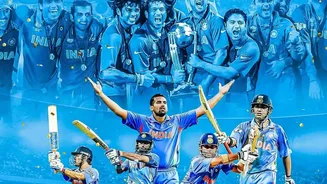
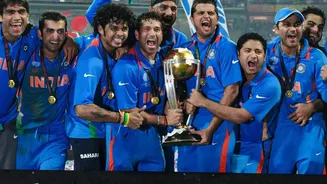
While MS Dhoni’s winning six in the 2011 World Cup final is the enduring image, the victory was built on the foundation of Gautam Gambhir’s stoic 97. After India lost Sehwag and Tendulkar early in the chase of 275, Gambhir walked in and steadied the ship. He built a crucial partnership with Virat Kohli and then a match-winning 109-run stand with Dhoni. What remains an untold aspect is his intense focus. Gambhir later revealed that until he reached 97, he was completely oblivious to his personal score, focused only on the target. He claimed that when Dhoni reminded him he was just three runs from a century, his focus shifted for a split second, leading to a rush of blood and his dismissal. Though he missed a personal milestone, his selfless innings under immense pressure was the anchor that ensured India did not falter on the biggest stage, allowing Dhoni to play the finisher's role to perfection.