



An Unexpected Source of Moisture
Scientists have long known that the stratosphere, an atmospheric layer roughly 12 to 53 kilometres above Earth, is extremely dry. The amount of water vapor present there has a significant impact on global temperatures and atmospheric chemistry. For decades,
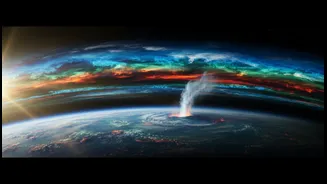
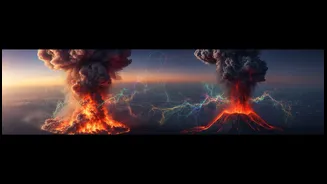
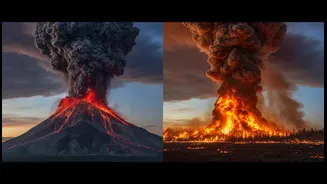
the prevailing view was that this moisture level was primarily controlled by slow, large-scale atmospheric circulation patterns. However, groundbreaking new studies are challenging this assumption. The evidence now points to extreme wildfires and moderate volcanic eruptions as major, previously underestimated contributors, acting like powerful elevators that shuttle massive quantities of water vapor directly into this critical layer of the atmosphere.
How Fire Creates a Super-Storm
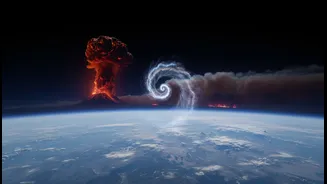
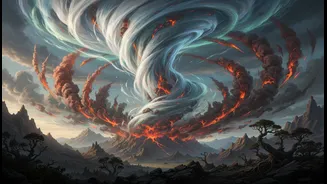
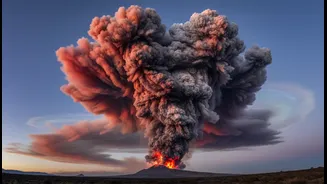
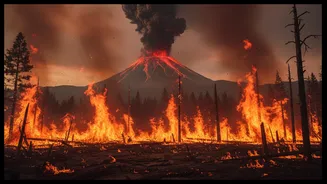
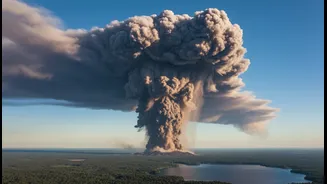
The mechanism by which wildfires achieve this is a phenomenon as awesome as it is powerful: the pyrocumulonimbus cloud, or pyroCb. These are not ordinary storm clouds; they are fire-breathing thunderstorms generated by the intense heat of a massive blaze on the ground. The fire’s heat creates a powerful updraft, sucking up air, smoke, ash, and crucially, moisture from the fire itself and the surrounding atmosphere. This column of hot air rises with such force that it can punch through the troposphere (the lowest layer of the atmosphere where weather occurs) and inject its contents directly into the stratosphere. This process can transport more water vapor in a single event than was previously thought possible from such sources.
The Case of the Watery Volcano
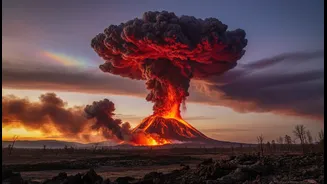
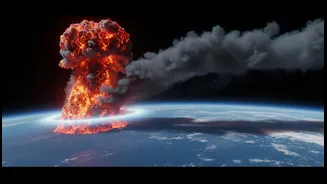
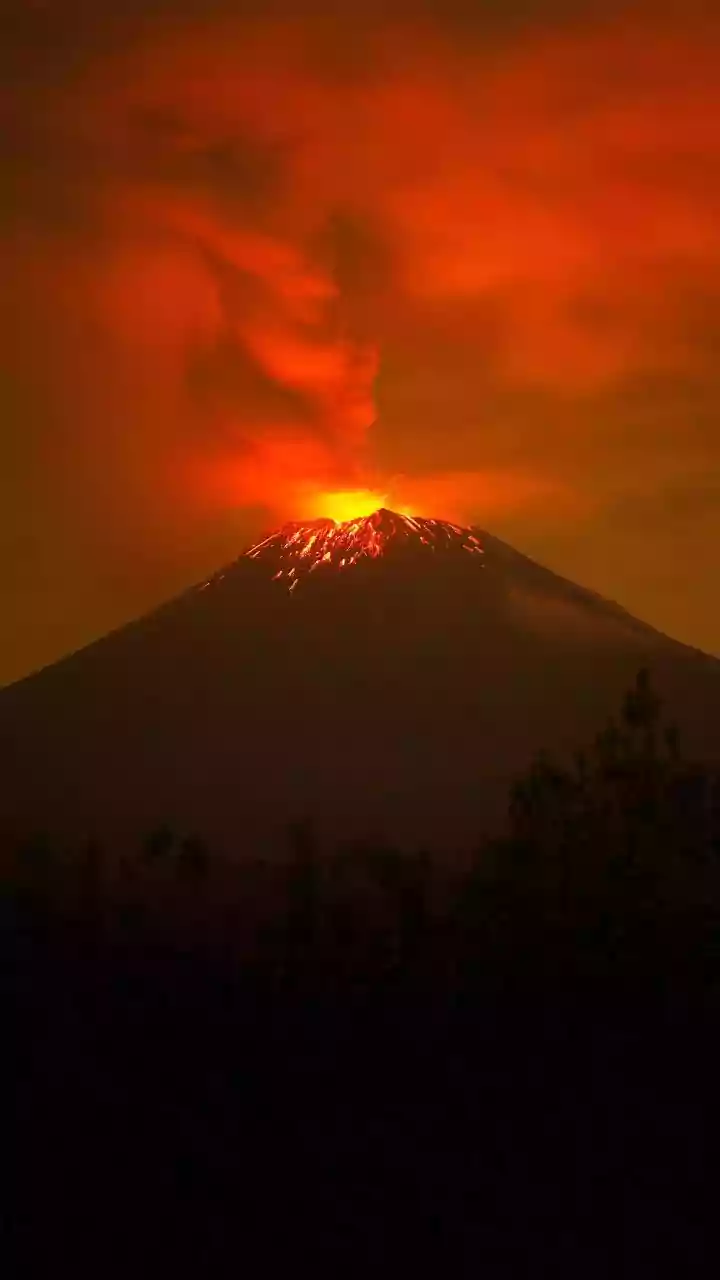
Volcanic eruptions are another key driver. While land-based volcanoes have long been known to influence the stratosphere, the 2022 eruption of the Hunga Tonga-Hunga Ha'apai submarine volcano provided a dramatic and unprecedented example of water injection. Because the eruption occurred underwater, it blasted an enormous plume of water vapor—estimated to be around 150 million tons—high into the sky. This single event increased the total amount of water in the stratosphere by about 10% globally, an effect never before seen in the satellite era. It shattered previous records and demonstrated that certain types of eruptions are far more effective at hydrating the stratosphere than scientists had accounted for in older climate models.
Why More Water Up High Matters
This newfound understanding has profound implications. Water vapor is a potent greenhouse gas; in fact, it’s the most abundant one. Increasing its concentration in the normally arid stratosphere can trap more heat, leading to a temporary warming effect on the Earth's surface. Beyond its role in warming, this extra moisture also alters the delicate chemistry of the stratosphere. It can enhance chemical reactions that deplete the ozone layer, which protects us from the sun's harmful ultraviolet radiation. The findings suggest that the increasing frequency and intensity of wildfires, driven by climate change, could create a feedback loop that further alters our atmosphere.
A More Complex Climate Picture
However, the impact is not straightforward. The same events that inject water vapor also spew other particles, such as sulfate aerosols from volcanoes and black carbon from fires. These aerosols can have a cooling effect by reflecting sunlight back into space. For example, some studies of the Hunga Tonga eruption suggest its cooling effect from aerosols may have partially offset the warming from water vapor, at least in the Southern Hemisphere. This complexity highlights that these events trigger a cascade of competing effects. Scientists now face the challenge of incorporating these powerful, episodic events into climate models to get a more accurate picture of our planet's future.