






Choose the Right Tools
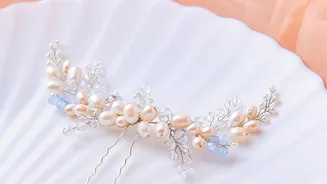
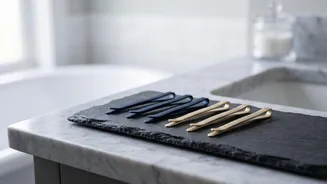
The foundation of a bun that lasts all day begins with selecting the proper tools. Not all hair pins are created equal, and using the right one for your hair type and the style you want is critical. Standard bobby pins, with their tight grip, are excellent
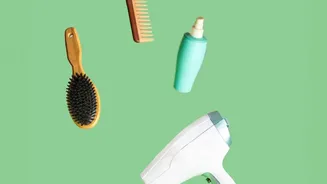
for pinning down small flyaways but can sometimes be too tight for securing the main structure of a bun. U-shaped pins, including French pins, are often the superior choice for buns because they can hold larger sections of hair without creating tension or pinching the scalp. These pins work by weaving through the hair and using friction to create a secure hold. For very thick or heavy hair, look for longer, stronger pins that won't bend under the weight. Those with fine hair may find smaller U-pins or even spiral-shaped 'spin pins' provide a secure hold without adding unnecessary weight. A good elastic hair tie and a light-hold hairspray are also essential companions.
Prepare Your Hair
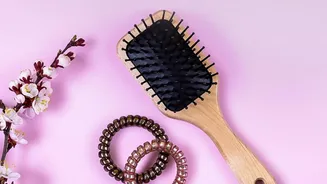
A little bit of prep work can make a huge difference in how well your bun holds. Hair that is freshly washed and silky is often too slippery for pins to grip effectively. Starting with second-day hair is often ideal. If your hair is clean, you can create more texture and grip by applying a texturizing spray or a bit of dry shampoo, focusing on the mid-lengths and ends. This adds a subtle grit that helps the pins lock into place. Before you begin styling, brush your hair thoroughly to remove any tangles, ensuring you have a smooth base to work with. For a sleeker look, you can apply a small amount of styling cream or gel around the hairline to tame flyaways before gathering your hair.
Step 1: Create the Ponytail
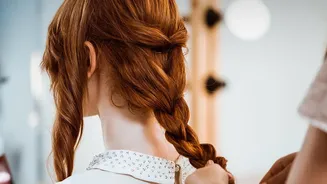
The placement of your initial ponytail sets the stage for the final bun. For a classic low bun, gather your hair at the nape of your neck. You can part your hair in the center, on the side, or brush it straight back, depending on your preference. Secure the hair with an elastic tie. The tightness of the ponytail can vary; a slightly looser ponytail can help create a softer, more voluminous bun, while a tighter one provides a sleeker foundation. For those with fine hair, one trick is to create a small 'looped' bun on the final pull-through of the elastic, which can create the illusion of more volume from the start.
Step 2: Twist and Shape the Bun
With your ponytail in place, the next step is to twist the hair. You can either twist the entire ponytail into one single, tight rope or divide it into two sections and twist them around each other for a more textured look. Once twisted, begin wrapping the hair around the base of the ponytail to form the bun shape. Hold the bun in place with one hand as you wrap. Don't worry about making it perfectly neat at this stage; a slightly looser, more organic shape often holds pins better and looks more modern. Tuck the ends of your hair underneath the bun to hide them.
Step 3: The Art of Pinning
This is where the magic happens. The key to a secure bun is to anchor the bun to the hair on your scalp, not just pin the bun to itself. If using a U-pin or French pin, hold the pin with the curve facing away from your head. Insert the tips of the pin into the outer edge of the bun, then flip the pin so the curve now faces your scalp, and push it inward, weaving it through the bun and catching the base hair underneath. This 'scoop and anchor' technique creates a lock. For bobby pins, the technique is similar: insert the pin into the bun's edge, catch a bit of scalp hair, and push it back into the bun. Using four pins in a compass pattern (top, bottom, left, right) creates a very stable foundation. For extra hold, you can cross two bobby pins in an 'X' formation.
Finishing Touches for Longevity
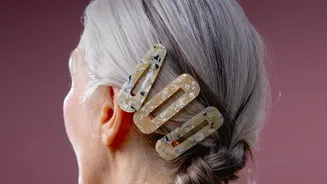
Once your bun feels secure, you can make minor adjustments. Gently pull on small sections of the bun to give it more volume and a softer, less perfect finish. You can also pull out a few face-framing strands for a more romantic look. A final, light mist of hairspray will help tame any remaining flyaways and set the style for the day. If a piece comes loose during the day, having a spare pin in your bag allows for a quick and discreet fix. The goal is a style that looks effortless but has the structural integrity to last through whatever your day holds.