





The Core Problem: A Supply-Demand Mismatch
India is experiencing a tourism boom, with domestic travel hitting a record 2.9 billion visits in 2024, surpassing pre-pandemic levels. However, the country's ability to accommodate this surge is lagging. The NITI Aayog report, prepared with the Ministry
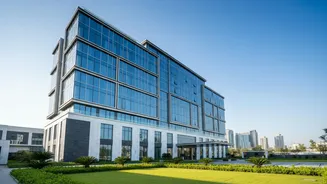
of Tourism, identifies a critical bottleneck in the hospitality sector, where the supply of quality hotel rooms is not keeping pace with soaring demand. This mismatch not only makes travel more expensive but also limits the sector's economic contribution. While India boasts rich cultural and natural resources, it captures less than 1.5% of global international tourist arrivals, indicating that significant hurdles are constraining its potential.
NITI Aayog’s Diagnosis: Death by a Thousand Clearances
The report argues that the primary obstacle isn't a lack of investor interest, but a labyrinth of regulatory hurdles. It highlights that getting a hotel project off the ground in India, from approval to completion, takes a staggering 36 to 48 months. This is up to three times longer than in competing tourism markets like ASEAN countries, where the process can take as little as 12 to 18 months. These prolonged timelines are a direct result of what the report calls a "high compliance burden," involving multiple approvals, redundant procedures, and a lack of coordination between different government departments. An investor may need to secure nearly 60 different approvals and licenses, creating significant delays and increasing financing costs.
The Regulatory Maze Explained
So, what does this regulatory friction look like in practice? A single hotel might need a dozen or more licenses to operate legally, each governed by a different authority. These can include a trade license, a fire safety certificate, police clearance, an FSSAI food license, an eating house license, GST registration, and a separate bar license for serving alcohol, which has its own complex state-level rules. The NITI Aayog report points to several specific pain points: redundant approvals from multiple authorities, restrictive building standards that limit usable floor area, and a fragmented, state-by-state approach to licensing that lacks a unified system. For example, a hotel with multiple restaurants on the same premises may need separate liquor licenses for each one.
The Path Forward: A Call for Simplification
To clear this bottleneck, NITI Aayog has proposed a sweeping overhaul focused on improving the ease of doing business. Key recommendations include consolidating multiple permits into a single 'Health Trade Licence' and introducing a single liquor licence for hotels with several bars or restaurants. The report also calls for scrapping the separate 'Eating House Licence' and extending the validity of other permits to reduce the recurring burden of renewals. A major focus is on establishing a genuine single-window clearance system to streamline the approval process. Furthermore, the report suggests liberalising building norms, such as the Floor Area Ratio (FAR), to reduce construction costs and allow for quicker project completion.
Beyond Hotels: A Wider Tourism Vision
The report's scope extends beyond just hotels, aiming to boost the entire tourism ecosystem. It proposes significant visa reforms, including expanding Visa-on-Arrival (VoA) and creating a 90-day, multiple-entry visa for travellers from select countries to make India more accessible. The current e-visa system is flagged for being complex and prone to technical glitches, which discourages international visitors. Additionally, recommendations cover simplifying permits for tourist transport vehicles and promoting homestays by easing regulations. The ultimate goal is to shift India from a volume-driven tourism model to a high-value, investment-led paradigm, helping achieve the vision of a USD 3 trillion tourism economy by 2047.