




What Exactly Are Broccoli Shoots?
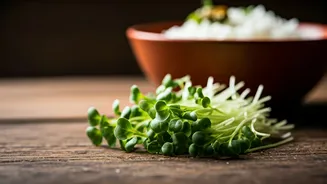
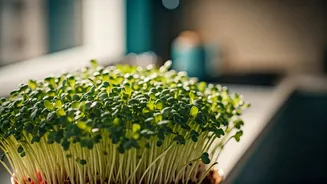
Broccoli shoots—often used interchangeably with broccoli sprouts or microgreens—are the very young version of the vegetable we all know. They are typically harvested just 7 to 14 days after germination, when they consist of a tender stem and the plant's
first set of leaves (called cotyledons). Visually, they look like a tiny tangle of green and white threads, similar to alfalfa sprouts but with a more distinct, peppery flavor that’s like a milder, fresher version of mature broccoli. They’re not just a garnish; they are a concentrated source of the plant’s vitality, packing a surprising punch for their small size.
The Tiny Plant with a Big Nutritional Punch
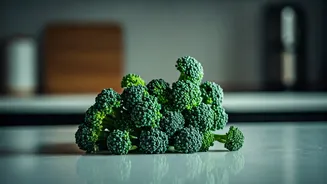
The headline’s promise of “nutrient spikes” isn’t an exaggeration. Broccoli shoots are famously dense in a compound called sulforaphane. While mature broccoli has it too, studies have shown that 10-day-old broccoli sprouts can contain significantly higher concentrations of its precursor. Sulforaphane is a potent antioxidant and anti-inflammatory compound that researchers have linked to a host of potential health benefits, from supporting cellular health to promoting detoxification pathways in the body. Beyond that star compound, these tiny greens are also rich in vitamins A, C, and K, as well as minerals like calcium and iron. Sprinkling just a small handful on your food is an incredibly efficient way to elevate its nutritional profile without adding significant calories.
Why 'Home Grown' Is the Smartest Way
You can find sprouts at some grocery stores, but growing your own offers three distinct advantages: freshness, cost, and safety. When you harvest your shoots right before eating them, you get them at their absolute peak of nutritional value and flavor—nutrients can degrade over time during transport and storage. Secondly, a packet of seeds costs a few dollars and can produce multiple large batches, making it far more economical than buying pre-packaged containers. Finally, growing at home gives you complete control over the process. Sprouting requires a moist environment, which can be a breeding ground for bacteria if not handled properly in a commercial setting. At home, you can ensure your equipment is clean and your process is safe from start to finish.
Your 5-Step Home Growing Guide
Don’t be intimidated; this is one of the easiest gardening projects you can undertake. You don't need a yard or even a green thumb.
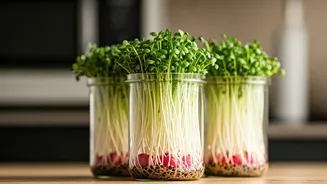
1. Gather Supplies: You'll need broccoli sprouting seeds (make sure they are specifically for sprouting/microgreens), a wide-mouthed glass jar (like a Mason jar), and a sprouting lid or a piece of cheesecloth secured with a rubber band.
2. Soak the Seeds: Place about two tablespoons of seeds in your jar and cover them with a few inches of cool, filtered water. Let them soak for 8-12 hours.
3. Rinse and Drain: After soaking, secure your sprouting lid or cheesecloth and pour out all the water. Rinse the seeds with fresh water, swirl, and drain thoroughly again. Good drainage is crucial to prevent mold. Prop the jar upside down at an angle in a bowl to allow air to circulate.
4. Repeat the Rinse Cycle: For the next 3-5 days, you’ll rinse and drain the seeds twice a day (morning and evening). You’ll quickly see them start to germinate and grow.
5. Harvest: Once your sprouts are about an inch long and have developed small green leaves, they’re ready. Give them a final rinse, drain them extremely well, and store them in a covered container in the refrigerator for up to five days.
Putting Your Harvest to Delicious Use
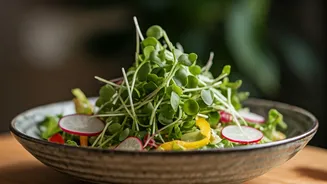
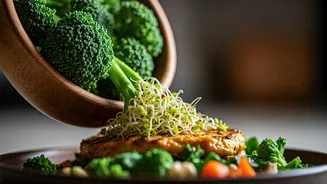
Now for the fun part. The fresh, slightly spicy kick of broccoli shoots makes them a versatile addition to almost any meal. They aren’t meant to be cooked, as heat can diminish their delicate texture and some of their nutritional benefits. Instead, think of them as a finishing touch. Sprinkle a generous handful over avocado toast, toss them into salads for extra crunch and flavor, or pile them into sandwiches and wraps. They are also fantastic stirred into a bowl of soup right before serving, scattered over a finished omelet, or used as a bed for a piece of grilled salmon or chicken. Their bright green color makes any plate look instantly more appealing and professional.