




The Looming Challenge for Artisans
For generations, the rhythmic sound of the handloom was the heartbeat of countless Indian villages. This sector, second only to agriculture in employment, has long been a cornerstone of our rural economy and cultural identity. However, in recent decades,
artisans have faced immense pressure. Traditional weavers often struggle with unstable incomes, limited access to markets, and intense competition from power looms and mass-produced textiles. Many find themselves dependent on intermediaries, leading to low wages that don't reflect their incredible skill. This has led to a generational crisis, with younger family members often seeking more stable work in cities, leaving the future of these ancient crafts uncertain.
Enter the New Wave of Entrepreneurs
This is where a new story begins, not in the bustling fashion capitals of Mumbai or Delhi, but in cities like Jaipur, Lucknow, Coimbatore, and Indore. These Tier 2 urban centres have become hotbeds for a different kind of fashion entrepreneur. Often armed with professional degrees but driven by a passion for heritage, these founders are building brands that place traditional textiles at their core. They see what many have overlooked: that handloom is not a relic of the past, but a key to a sustainable and authentic fashion future. Brands like Suta, founded by sisters who left corporate careers, and Raw Mango have become symbols of this movement, demonstrating how to build profitable businesses with purpose.
Forging the Urban-Rural Connection
The single most transformative impact of these Tier 2 entrepreneurs is their ability to bridge the gap between the weaver and the consumer. They act as crucial conduits, connecting artisan clusters directly to urban and even global markets. By leveraging digital platforms, especially e-commerce and social media, they tell the story behind the fabric, creating a narrative that resonates with a new generation of conscious consumers who value authenticity and sustainability. This digital-first approach cuts out exploitative middlemen, allowing for fairer wages and giving weavers greater autonomy and financial stability.
Design Intervention and Product Diversification
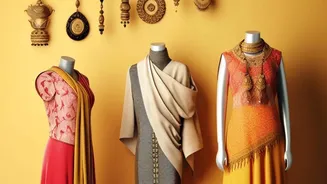
While preserving the soul of the craft, these entrepreneurs also bring crucial design interventions. They collaborate with artisans to adapt traditional motifs and weaves for contemporary silhouettes like dresses, jackets, and co-ord sets. This reimagining of handloom makes it relevant for modern wardrobes, moving it beyond occasion-wear into everyday life. By blending age-old techniques with modern design sensibilities, they expand the market for textiles like Banarasi, Chanderi, and Ikat, proving that tradition can be fashion-forward. This not only creates new revenue streams but also revitalises the craft itself, encouraging innovation among weavers.
Building a Sustainable and Ethical Ecosystem
This movement is fundamentally about building a more equitable and sustainable ecosystem. Many of these entrepreneurs operate as social enterprises, prioritising the well-being of their artisan partners. They ensure fair and regular pay, invest in better working conditions, and sometimes provide support for healthcare and children's education. By formalising parts of the craft economy, they provide weavers with the social protections and financial inclusion often missing in the informal sector. This model proves that profit and purpose can go hand-in-hand, creating a resilient economic engine that empowers communities and preserves priceless cultural heritage for generations to come.