








The Challenge at the Top of the World
Leh's Kushok Bakula Rimpochee Airport, perched at an altitude of over 10,600 feet, is the primary air link to Ladakh, a region that remains cut off by road for several months of the year. For years, the existing terminal has grappled with burgeoning tourist
numbers, leading to congestion during peak season. Handling the influx of travellers, from spiritual seekers and adventure tourists to military personnel, in a facility with limited capacity has been a growing challenge. The short operational window, often dictated by strong afternoon winds, further complicates flight scheduling, creating bottlenecks for a destination of immense strategic and cultural importance.
A Modern Gateway Takes Shape
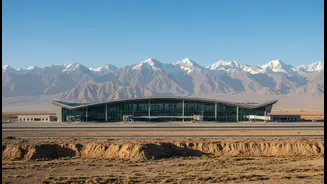
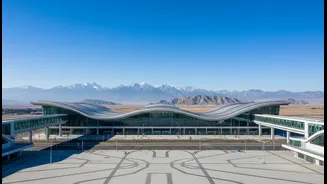
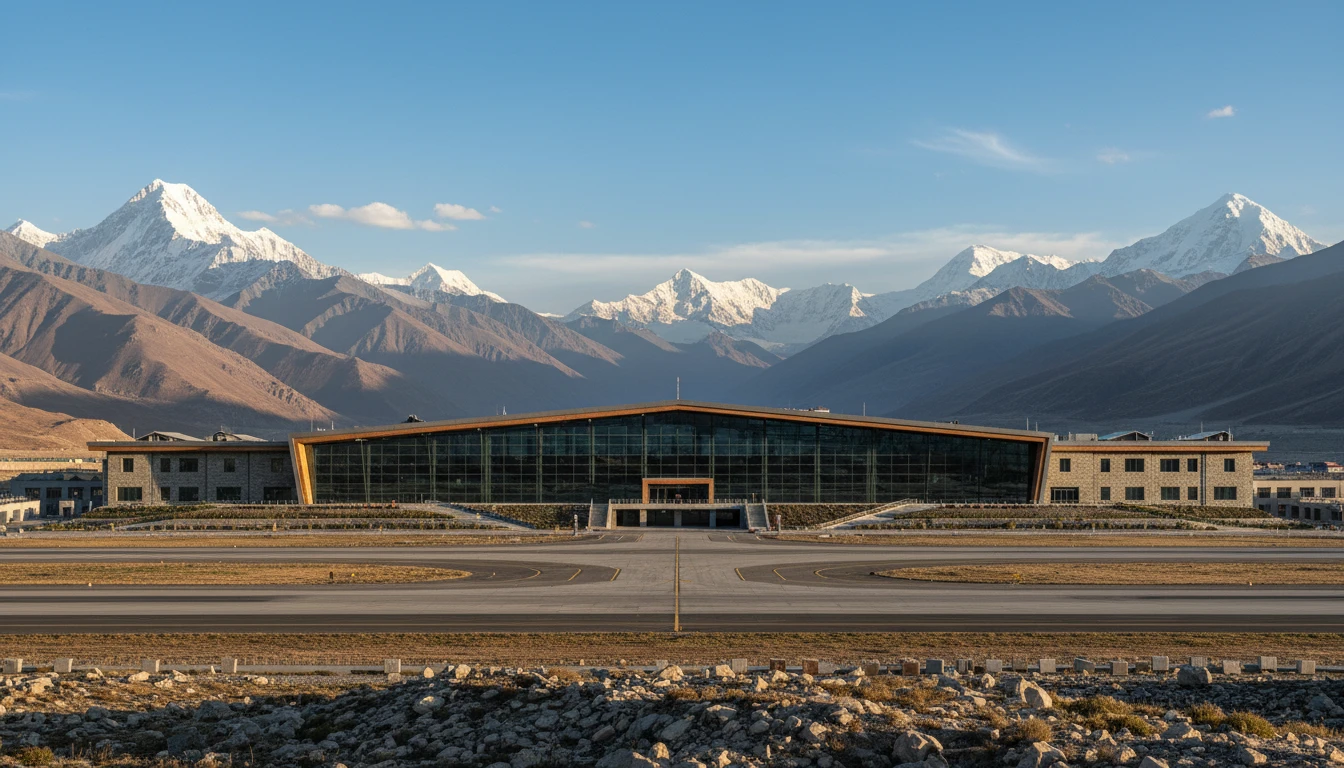
In response, a state-of-the-art new integrated terminal building is nearing completion. As of early July 2026, the physical construction was reported to be 83% complete. This modern, three-level structure is a significant leap in scale and sophistication, designed to handle up to 3.5 million passengers annually—a dramatic increase from the current traffic. It will feature 20 check-in counters, modern baggage handling systems, 15 lifts, 12 escalators, and eventually three aerobridges to streamline boarding and deboarding, a welcome relief for passengers acclimatising to the high altitude.
Tripling Capacity for a New Era of Travel
The most significant impact of the new terminal will be on the airport's operational capacity. Once fully functional, it will be able to handle up to 54 flights a day, a threefold increase from its current capacity of around 18 daily flights. This expansion will dramatically improve connectivity with major Indian cities and provide airlines with greater scheduling flexibility. For travellers, this translates to more flight options, potentially competitive fares, and a much-reduced likelihood of encountering the crowds and queues that can mark the start of a Himalayan adventure. The peak hour capacity is set to be 2,000 passengers, a clear indicator of the forward-looking vision for the region.
A Benchmark in Sustainable Aviation
Beyond just size, the new terminal is a pioneer in sustainable design, a crucial consideration in Ladakh's fragile ecosystem. It is set to become India's first airport to be powered by a hybrid geothermal and solar energy system. A large-scale geothermal system will provide heating and cooling for the building, a groundbreaking initiative for an Indian airport, while a 700 kWp rooftop solar plant will harness the region's abundant sunshine. This eco-conscious approach aims to minimise the airport's carbon footprint, aligning with Ladakh's goal of becoming a carbon-neutral Union Territory. The building's architecture also incorporates traditional Buddhist and Ladakhi design elements, ensuring the gateway reflects the region's unique cultural identity.
When Will the Gates Open?
The project, whose foundation stone was laid in early 2019, has faced delays due to the region's harsh climate and the pandemic. According to a July 2026 update from the Civil Aviation Minister, the project is in a fast-paced construction phase. While no definitive commissioning date was announced in the most recent update, earlier official statements in 2026 had pointed to a possible completion by August 2026. The government has described the project as a key part of its push for next-generation aviation infrastructure, underlining its commitment to enhancing connectivity in strategically important regions.