




Understanding India's Two Monsoons
India's rainy season, typically running from June to September, isn't a uniform experience. The southwest monsoon delivers about 75% of the country's annual rainfall, but its impact varies dramatically due to geography. Mountain ranges like the Western
Ghats and the Himalayas act as colossal barriers. They force moisture-laden winds to rise and release their rain on the windward side, creating intensely wet zones. By the time this air crosses the peaks, it becomes dry, creating what is known as a "rain shadow" on the other side. This phenomenon gives travellers a clear choice: do you lean into the rain or do you seek a sunny escape? Your answer will determine where you go and what you pack.
The Wet Zones: For Lovers of Lush Landscapes
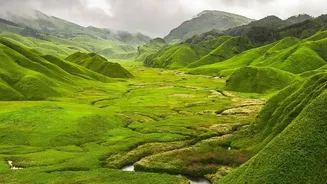
If your idea of a perfect getaway involves mist-covered hills, roaring waterfalls, and the fresh scent of rain-soaked earth, then the wet zones are for you. These regions receive heavy rainfall, transforming into vibrant green paradises. Popular destinations include the Western Ghats—spanning states like Kerala (Munnar, Wayanad), Karnataka (Coorg, Agumbe), and Maharashtra (Lonavala, Mahabaleshwar)—and the northeastern state of Meghalaya (Cherrapunji, Mawsynram), which is famously one of the wettest places on Earth. Travel during this time often means lower prices and fewer crowds. However, be prepared for high humidity, potential travel disruptions due to landslides, and a healthy population of insects like mosquitoes and leeches, especially on treks.
Packing for the Wet Zones
Packing for a trip to a rain-drenched destination requires a focus on staying dry and comfortable. Opt for synthetic, quick-drying clothes over cotton, which stays damp for a long time. A reliable waterproof jacket or poncho is non-negotiable. Footwear should consist of waterproof boots with a strong grip or slip-proof sandals suitable for wet, muddy paths. Protect your electronics and important documents by storing them in waterproof bags or zip pouches. An insect repellent is essential to ward off mosquitoes, and carrying a basic first-aid kit is always a wise precaution. A power bank can also be a lifesaver during unexpected power cuts caused by heavy rain.
The Dry Zones: In Pursuit of Sunshine
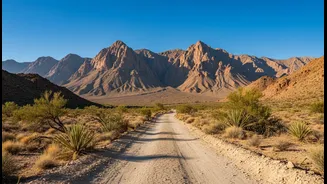
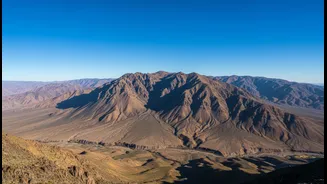
For those who prefer their holidays sunny, the rain shadow regions offer a perfect escape from the monsoon. These areas receive little to no rainfall between June and September, making it the ideal time to visit. The most prominent dry zone is the trans-Himalayan region of Ladakh. Sheltered by the Himalayas, Ladakh experiences clear blue skies and pleasant weather, making it peak season for tourism, trekking, and road trips. Other destinations that remain relatively dry include the Spiti Valley in Himachal Pradesh, which shares a similar high-altitude desert climate. Parts of Rajasthan's Thar Desert and the southeastern coast of Tamil Nadu also receive significantly less rainfall during the southwest monsoon, offering further options for a sun-soaked break.
Packing for the Dry Zones
Packing for the dry zones, especially high-altitude deserts like Ladakh or Spiti, is about managing sun exposure and temperature swings. While days are sunny and can be warm, nights can get quite cold. Therefore, packing in layers is crucial—think t-shirts, fleece jackets, and a warmer outer layer. Strong sun protection, including sunscreen, sunglasses, and a wide-brimmed hat, is essential due to the high altitude and clear skies. The air is also very dry, so moisturiser and lip balm are highly recommended. While you won't need heavy rain gear, a light windproof jacket can be very useful. Ensure you stay hydrated and allow your body time to acclimatise to the altitude to avoid sickness.