
A Wave of Conscious Consumerism
The primary driver behind this trend is a powerful surge in environmental awareness. Indian consumers, particularly millennials and Gen Z, are more conscious than ever about the impact of their purchases. Concerns over plastic pollution, overflowing landfills,
and the 'use-and-throw' culture are actively shaping buying decisions. This eco-consciousness has transformed gifting from a simple transaction into a statement of values. Choosing an upcycled product is a vote for sustainability, a tangible way to reduce waste and contribute to a circular economy. In a country where government policies are also pushing against single-use plastics, consumers are finding more reasons and opportunities to seek out greener alternatives.
The Power of a Unique Story
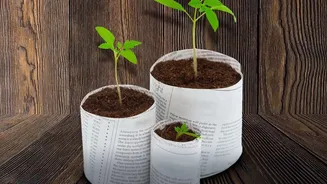
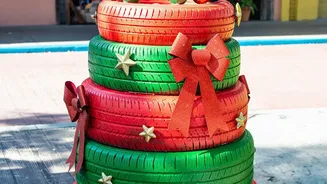
Unlike their identical plastic counterparts, every upcycled handicraft has a unique narrative. It tells a story of transformation—a discarded glass bottle becomes a painted lamp, old textiles are woven into a vibrant bag, and scrap metal is sculpted into a piece of art. This inherent story gives the product character and an emotional connection that mass-produced items lack. Consumers are no longer just buying an object; they are acquiring a piece of history and creativity. This desire for authenticity and individuality is a strong reaction against the impersonal nature of factory-made goods, making upcycled items feel more special and thoughtful as gifts.
Supporting Local Artisans and Heritage
The 'vocal for local' sentiment has found a powerful expression in the handicraft market. India's artisan economy provides livelihoods for millions, many of whom are women in rural areas. By choosing a handcrafted upcycled product, consumers are directly supporting these skilled artisans and helping to preserve centuries-old craft traditions like embroidery, weaving, and pottery. This social impact is a compelling reason for purchase. Shoppers feel good knowing their money is not only buying a beautiful product but also sustaining a community and empowering individual craftspeople in a sector that is a cornerstone of the nation's economy.
When Aesthetics Meet Ethics
The appeal of upcycled products is not just ethical; it's also aesthetic. The rustic, earthy, and often quirky charm of handcrafted items offers a refreshing alternative to the slick, uniform look of plastic. These products align perfectly with contemporary home decor trends that favour natural materials, texture, and authenticity. Retailers and online platforms are increasingly curating collections of sustainable, artisan-made goods that are both stylish and eco-friendly. As a result, consumers no longer have to choose between beautiful design and responsible consumption; upcycled handicrafts offer the best of both worlds.
The Retail Landscape is Transforming
Retailers are responding to this clear shift in consumer preference. More shelf space, both online and in physical stores, is being dedicated to eco-friendly and artisan-made products. Brands that champion sustainability and transparency are gaining a competitive edge. The growth of specialised e-commerce platforms focused on handicrafts has made it easier than ever for consumers to discover and purchase unique upcycled items from artisans across the country. This increased accessibility, coupled with a growing demand for meaningful and sustainable gifts, is creating a thriving market where upcycled handicrafts are not just competing, but increasingly winning.