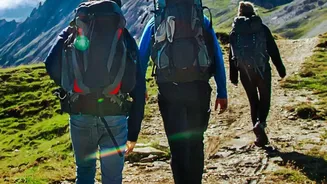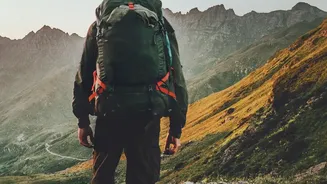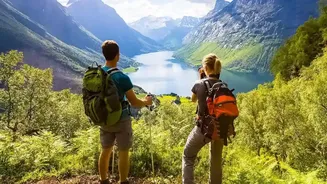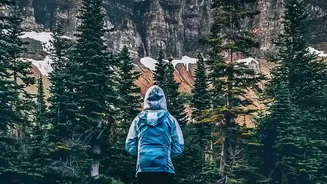

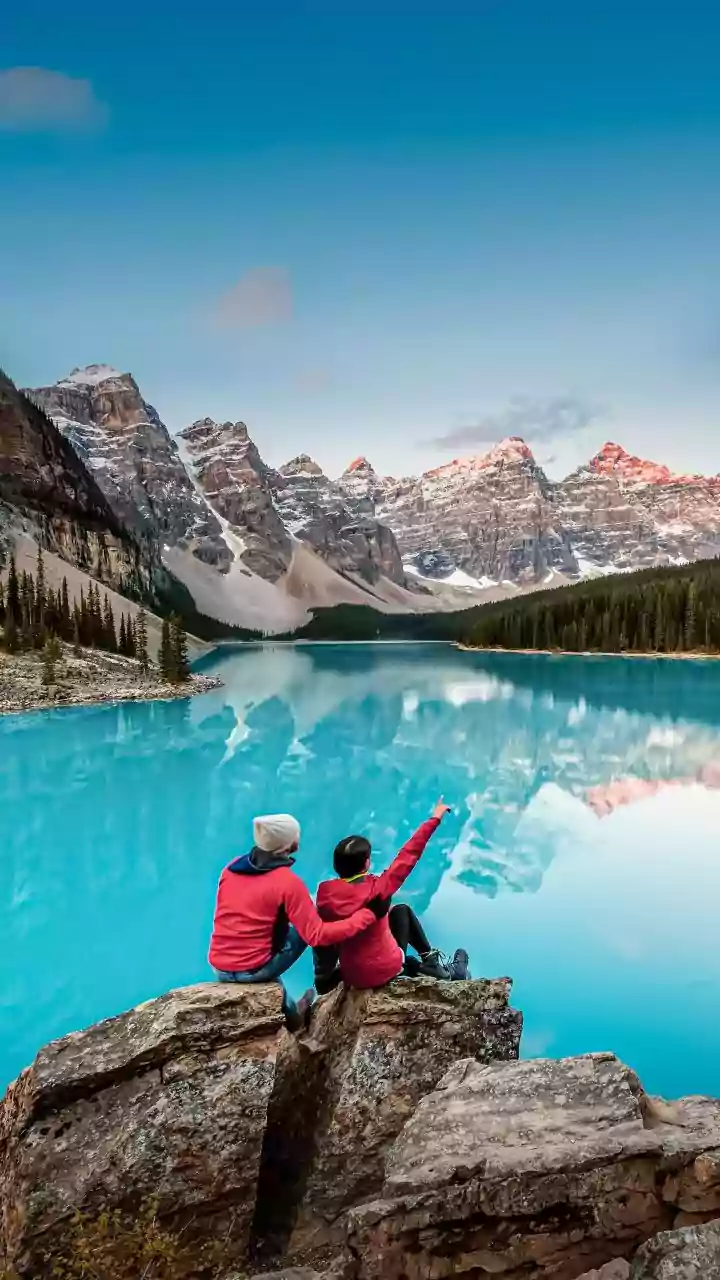


The Canadian Rockies offer some of the world's most stunning landscapes, from turquoise lakes to majestic peaks. Venturing into this wilderness is an unforgettable experience, but a safe and successful day hike requires thoughtful preparation.
Before You Leave Home
Proper planning
is the most critical step for any mountain adventure. Start by researching your trail. Websites and apps like AllTrails provide details on length, elevation gain, and recent hiker reviews. However, always cross-reference this with official sources like the Parks Canada website for the most current trail conditions, warnings, or closures. Weather in the Rockies is notoriously unpredictable and can change in an instant. Check the forecast for the specific elevation you'll be hiking, not just the nearest town. Start your hike early in the day to avoid afternoon heat, secure parking at popular trailheads, and give yourself plenty of daylight. Finally, inform someone of your hiking plan, including your chosen trail and expected return time.
Essential Gear for Your Daypack
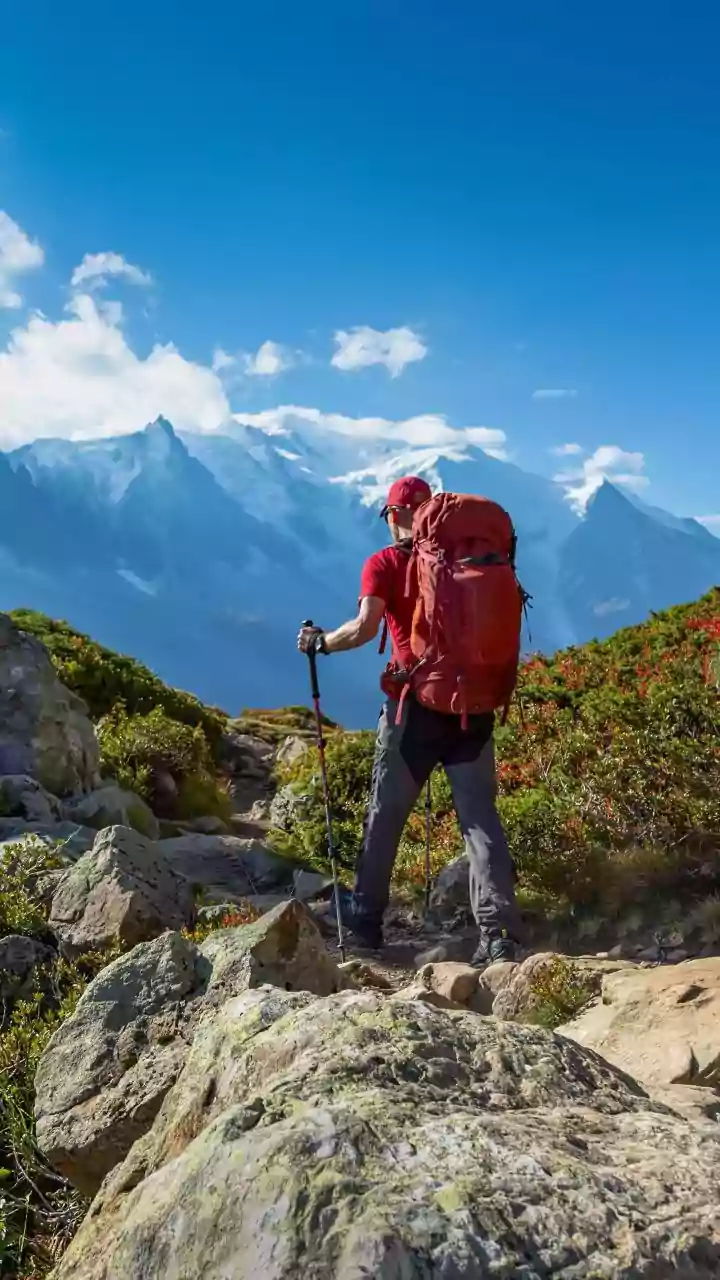
Even on a short hike, carrying the right gear can be lifesaving. Layering your clothing is key. Start with a moisture-wicking base layer (avoid cotton), add a fleece or wool mid-layer for warmth, and top it with a waterproof and windproof jacket. Sturdy, broken-in hiking boots are non-negotiable for supporting your ankles on uneven terrain. Your daypack should always contain the 'ten essentials': navigation (a paper map and compass, not just your phone), a headlamp or flashlight, sun protection (sunscreen, sunglasses, hat), a first-aid kit, a knife or multi-tool, fire-starting supplies, an emergency shelter (like a space blanket), and extra food and water. Pack more high-energy snacks and water than you think you'll need in case of unexpected delays on the trail.
Wildlife Wisdom: Bear Safety
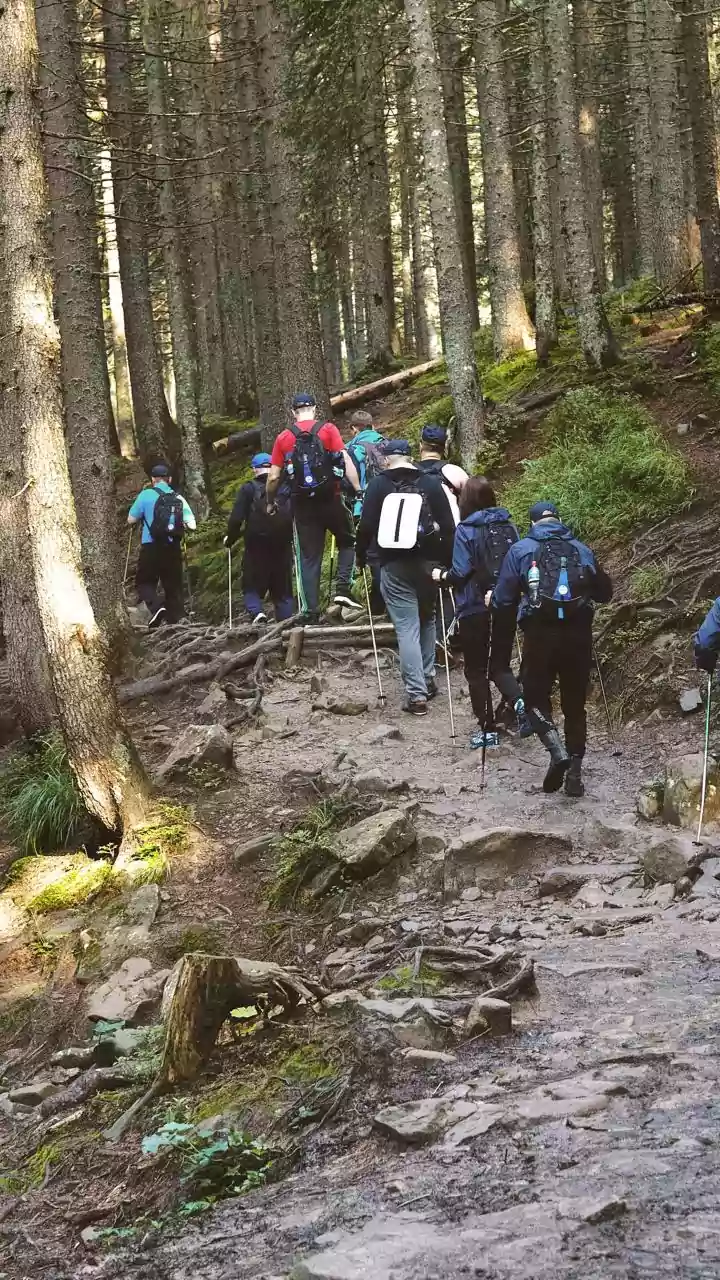
The Rockies are home to both black and grizzly bears. While encounters are rare, knowing how to avoid them is crucial for your safety and theirs. Make noise while you hike, especially in areas with dense vegetation, near streams, or on windy days. Shouting, talking loudly, or singing is more effective than relying on bear bells. Hiking in a group of four or more significantly reduces the chance of a negative encounter. Always carry bear spray, keep it easily accessible (not inside your pack), and know how to use it. If you see a bear, stop, stay calm, and assess the situation. Never run. Back away slowly while speaking to the bear in a calm voice. Give it a clear escape route and prepare to use your spray if it approaches.
Trail Recommendations for Every Hiker
The beauty of the Rockies is that there are trails for every ability level. For a gentle but rewarding walk, the Johnston Canyon trail to the Lower Falls is a classic choice, featuring catwalks bolted to the canyon walls above a rushing creek. The 3-kilometer Johnson Lake Loop near Banff offers beautiful mountain reflections with very little elevation gain, making it perfect for a peaceful afternoon. For those seeking a moderate challenge with an iconic payoff, the hike to the Lake Agnes Tea House from Lake Louise provides stunning views and a charming destination to rest before heading back down. Always choose a trail that is suitable for the least experienced person in your group.
Leave No Trace
To protect these pristine environments for future generations, it is vital to practice the seven principles of Leave No Trace. This ethic goes beyond simply packing out what you pack in, which includes all garbage and food scraps like apple cores. Stick to designated trails to prevent erosion, even if they are muddy. Observe wildlife from a distance; never feed or approach animals. Be considerate of other visitors by keeping noise levels down and yielding to uphill hikers on narrow paths. The goal is to leave the wilderness exactly as you found it, preserving its natural state.