





From Hype to Reality
In the months leading up to its November 19, 2026, release, Grand Theft Auto VI wasn't just a video game; it was a global economic event in waiting. After a 13-year gap since its predecessor, anticipation had reached a fever pitch. Analyst predictions
and market research fueled the fire, with headlines often pointing to staggering pre-order numbers. The figure of over 11 million pre-orders totaling more than a billion dollars was a testament to this immense expectation. While official numbers from developer Rockstar Games were kept under wraps, the company did confirm that demand was tracking 'far above our initial expectations'. Market research firms like Sensor Tower released estimates that painted an even grander picture, suggesting digital pre-orders had surpassed 17 million units and generated over $1.65 billion before the game even launched. This wasn't just a successful marketing campaign; it was the result of a decade of cultural buildup for a franchise that has consistently redefined entertainment.
Shattering All Records
When launch day arrived, the reality managed to exceed the hype. Grand Theft Auto VI didn't just break sales records; it obliterated them. Its predecessor, GTA V, had set a seemingly unbreakable benchmark in 2013, earning $815.7 million in its first 24 hours and crossing the $1 billion mark in three days. GTA VI galloped past that milestone with ease. The game became the highest-grossing video game in its first 24 hours, a feat that traders gave a 99% chance of happening even before the official numbers were in. The launch was a watershed moment, not just for gaming but for the entire entertainment industry. Experts predicted it would be the biggest entertainment launch in history, dwarfing blockbuster films and other media events. This monumental success was immediately reflected in the stock market, as shares for parent company Take-Two Interactive (TTWO) surged on the back of overwhelmingly positive reviews and the promise of unprecedented revenue.
The Anatomy of a Phenomenon
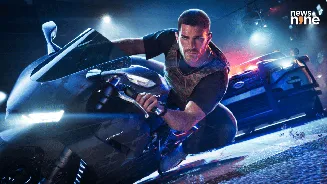
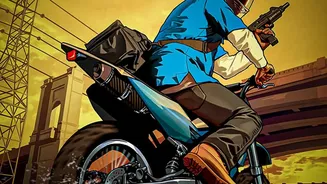
What propelled GTA VI to such historic heights? The success is a mix of brand power, patience, and impeccable execution. Rockstar Games has cultivated a reputation for quality over quantity, and the 13-year wait created a level of pent-up demand rarely seen. The game itself, set in the sprawling, Florida-inspired state of Leonida, was met with universal critical acclaim, achieving a near-perfect score of 99 on review aggregator Metacritic. Critics praised its vast, detailed open world, its satirical take on modern American culture, and a narrative following the criminal duo Lucia and Jason, inspired by Bonnie and Clyde. This wasn't just an iteration but a generational leap in interactive entertainment, a 'totalising artwork' that blended gameplay, cinematic storytelling, and cultural commentary into a cohesive whole. The game's budget, estimated to be between $1 billion and $1.5 billion, made it the most expensive ever produced, a gamble that paid off spectacularly.
A Cultural and Economic Shockwave
The impact of GTA VI extends far beyond gaming. It is a cultural moment that has reshaped how people spend their time and money. Livestreaming platforms like YouTube and Twitch saw record-breaking viewership, with nearly 7.9 million people watching concurrently within hours of the game's release. The launch was seen as a black hole for attention, with other entertainment sectors, from film to streaming services, bracing for a temporary dip as millions of consumers dedicated their leisure hours to exploring Vice City. For Take-Two Interactive, the game represents a financial bedrock for years to come. Analysts have raised their sales forecasts dramatically, with some projecting 65 million copies sold by March 2027. This success solidifies the business model of creating massive, high-budget, single-player-focused games in an industry increasingly looking towards other models, proving that a masterpiece can still command the world's attention.