

The Promise of a Personal Uniform
The concept of a personal uniform — a curated set of clothes you wear consistently — is a powerful one. Icons like Steve Jobs with his black turtleneck and jeans are famous examples, but the idea is broader than wearing the exact same outfit daily. It’s
about creating a go-to formula that removes the daily 'what to wear' debate, saving you precious time and mental energy. Adopting a style uniform can reduce decision fatigue, allowing you to focus on more important things. It also helps in creating a recognisable signature style and can lead to more mindful shopping, saving you money by curbing impulse buys on fleeting trends. The consistency of a uniform communicates confidence and reliability, creating a cohesive look that is authentically you.
The Image Trap: When Uniforms Fail
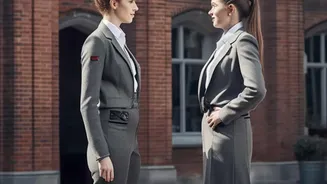
So, you’ve decided to adopt a uniform. You picture a sleek, minimalist aesthetic seen on a Pinterest board — perhaps sharp blazers and high heels. The problem? Your daily reality involves navigating crowded public transport, long hours at a desk, or chasing after kids. The blazer is restrictive, and the heels are impractical. This is the image trap. A uniform based purely on aesthetics, without considering function, is destined to fail. Clothing that looks great in a photo but feels uncomfortable or is unsuitable for your daily activities will ultimately go unworn. True functional design prioritises purpose; the fabric choice, construction, and fit are driven by real-world use, not just decoration.
Start with Use: Define Your Daily Needs
To build a uniform that works, start by analysing your life, not your closet. Ask yourself what your clothes need to do for you. This is a user-centered design approach, but for your wardrobe. Consider your primary activities. Do you sit for long hours? You'll need fabrics that don't wrinkle easily and comfortable waistbands. Do you work in a creative field where you need to move freely? Look for stretch fabrics and less structured silhouettes. Think about your environment. Is your office heavily air-conditioned? Layering pieces are essential. Do you spend a lot of time outdoors in the Indian heat? Breathable, natural fabrics like cotton and linen are non-negotiable. List the practical requirements first: comfort, durability, ease of care, and movement.
Building Your Functional Wardrobe
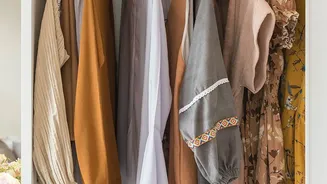
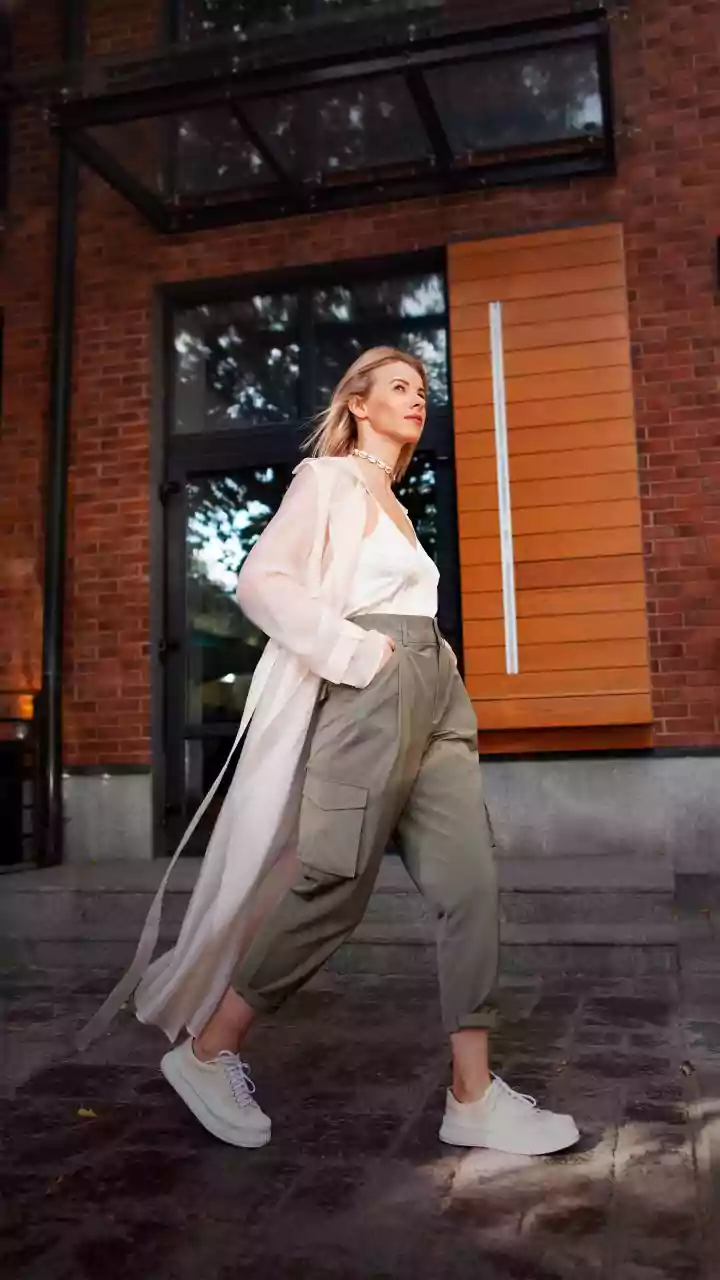
Once you know your functional needs, you can build your uniform. Start with a neutral colour palette — like navy, grey, beige, and white — for your core pieces. These colours are versatile and easy to mix and match. Then, select your workhorse items based on your use-case analysis. This might be a collection of well-fitting, breathable t-shirts, comfortable trousers, and a versatile overshirt or jacket. For the Indian climate, lightweight trousers and relaxed-fit shorts in fabrics like bamboo or organic cotton are excellent foundations. Prioritise fit and fabric quality over brand names. A few high-quality, comfortable pieces that you love to wear are worth more than a closet full of trendy but impractical items.
Beyond the Basics: Adding Personality
A functional uniform doesn't have to be boring. Function should support confidence, not erase personality. Once your core functional pieces are in place, you can introduce character through accent colours, accessories, or a few statement items that still align with your practical needs. If your base is neutral, a colourful scarf, a distinctive bag, or a unique piece of jewellery can elevate your entire look without sacrificing comfort. If your garments are simple, accessories become a powerful tool for personalisation. The goal is to have a wardrobe that serves as an ally, making your daily life easier while still allowing you to express who you are.