




A Break From Digital Burnout
The constant buzz of notifications, the pressure for instant replies, and the endless scroll have created a state of digital fatigue, particularly among young Indians. Studies show a significant portion of youth experience fatigue linked to high screen
time, with hours spent on smartphones contributing to anxiety and burnout. In response, many are seeking a 'digital detox' through analogue hobbies. Letter writing offers a deliberate pause. The act of putting pen to paper is a slow, intentional process that provides a welcome escape from the overwhelming speed of digital life. This isn't about rejecting technology, but about finding a healthier balance and carving out moments of quiet focus.
The Search for Tangible Connection
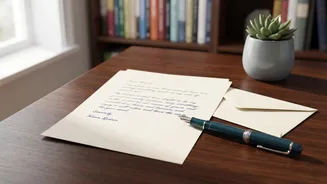
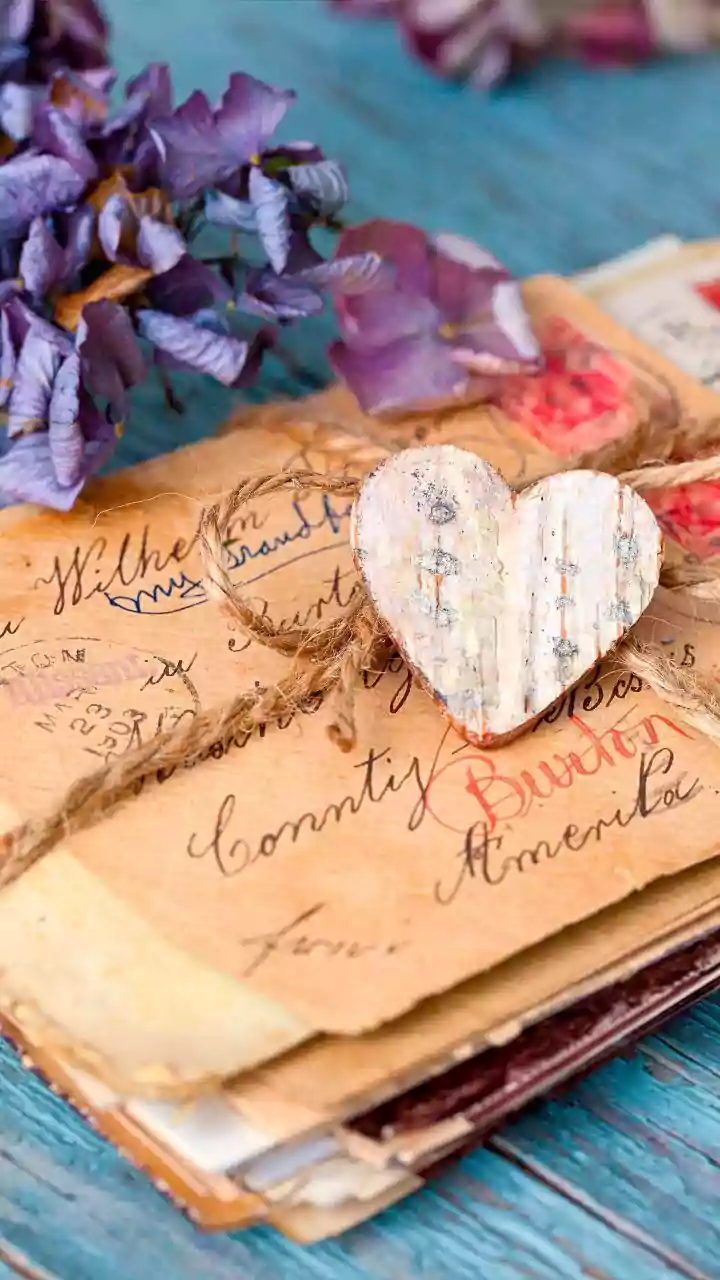
In an era of ephemeral digital content, a physical letter is something you can hold, keep, and revisit. Unlike a text message that gets lost in a long scroll, a handwritten note has permanence. This tangibility creates a stronger emotional connection and makes the communication feel more special and personal. For many in Gen Z, receiving a personal letter is a novelty, a rare event that stands out from the daily flood of emails and social media alerts. This desire for something real and lasting is also seen in the renewed interest in vinyl records and film photography, suggesting a broader trend towards experiences that feel authentic and grounded.
Nostalgia for an Unlived Past
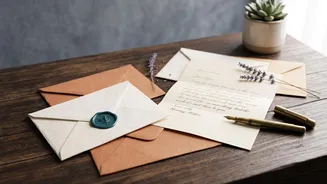
Interestingly, much of the appeal isn't rooted in personal nostalgia, as most of Gen Z never experienced a time when letter writing was the primary mode of communication. Instead, it’s a form of 'anemoia'—a nostalgia for a past they’ve never known. They are drawn to the romanticised idea of letter writing, which they discover through social media platforms like Instagram and Pinterest. Here, the aesthetic of beautiful stationery, wax seals, and calligraphy becomes a part of a visual identity, connecting to trends like 'dark academia' or 'cottagecore'. The irony is that digital platforms are fuelling the move towards this very analogue hobby.
The Rise of Snail Mail Clubs
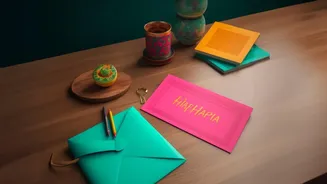
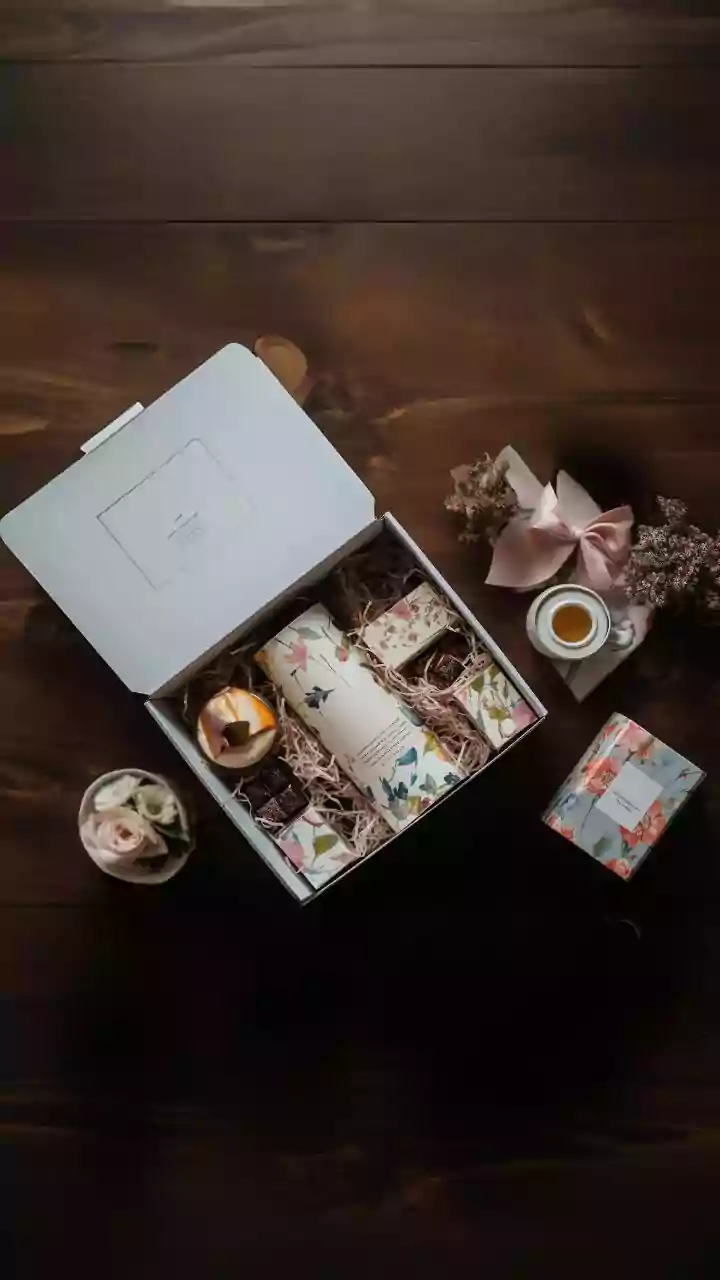
This trend has given rise to a new phenomenon in India: snail mail clubs. Often run as a subscription service, these clubs deliver beautifully decorated, handwritten letters to your doorstep. The envelopes might contain not just a letter but also artistic postcards, stickers, bookmarks, and other small keepsakes. These clubs, often discovered on social media, build communities around a shared love for creative, physical correspondence. Initiatives by organisations like India Post, which has run letter-writing competitions and campaigns, have also helped revive interest and encourage young people to discover the joy of handwritten communication.
An Act of Rebellion and Privacy
For some, choosing to send a letter is a quiet act of rebellion. In a digital world where every interaction can feel tracked and monetised, a sealed envelope represents one of the last truly private spaces for communication. It's a way to push back against a system that often feels like it's exploiting user attention and data. This generation is deeply aware of online scams and misinformation, which has led to a greater trust in physical mail for important communications. Sending a letter requires more effort than firing off a text, and that inherent friction is what gives it meaning and makes it a more intimate and authentic way to connect.