


The Grand Stage for Farming's Future
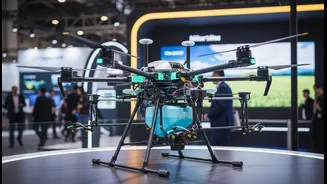
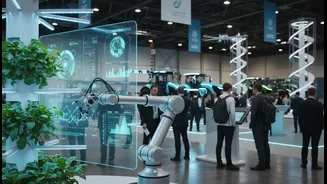
Running from July 9 to 13, the 24th edition of Agri Intex is one of India's largest agricultural trade fairs. Organized by the Coimbatore District Small Industries Association (CODISSIA), the event transforms its sprawling trade fair complex into a massive
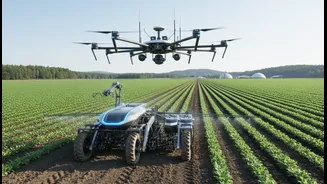
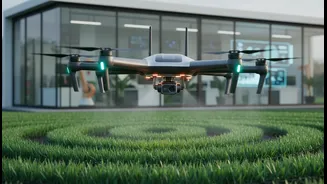
hub for agricultural innovation. With nearly 500 companies, including international exhibitors, showcasing everything from automated harvesters to climate-adapted apple saplings, the fair attracts over 100,000 visitors. Its stated goal is to introduce the latest technologies in farming, horticulture, dairy, and food processing to farmers, agri-entrepreneurs, and policymakers, all under one roof. The sheer scale and business focus, with a history of generating significant trade turnover, make it a pivotal event in the agricultural calendar.
The Disconnect Between Lab and Land
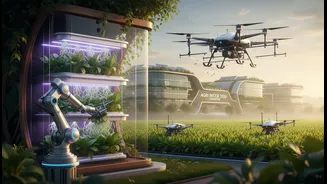
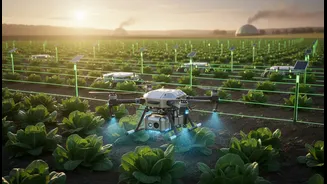
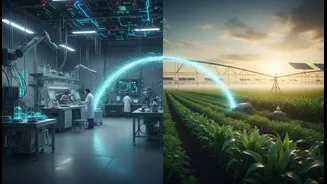
While impressive, the showcase of high-tech machinery highlights a persistent challenge in Indian agriculture: the gap between academic research and on-ground implementation. Research institutions like Tamil Nadu Agricultural University (TNAU) develop climate-resilient technologies and sustainable practices. However, transferring this knowledge to India's millions of small and marginal farmers is fraught with difficulty. High costs, a lack of awareness, complex new systems, and a shortage of skilled technicians create significant barriers to adoption. Farmers are often hesitant to invest in unproven technologies without seeing a clear, immediate return on investment. This results in a frustrating paradox where brilliant solutions exist in labs but fail to make a widespread impact in the fields where they are needed most.
Forging Connections Beyond the Stalls
So, is Agri Intex just about selling products? The organizers are actively working to ensure it isn't. The event's schedule includes expert-led seminars, technical workshops, and panel discussions designed to foster knowledge exchange. This year features specific initiatives aimed at bridging the industry-academia divide. For instance, TNAU is present, with academic leaders participating in inaugural sessions to discuss pressing issues like climate change and the need for precision farming. Concurrent events, such as a session on scaling rural enterprises and a 'Rural Innovators Pitch', provide platforms for startups and entrepreneurs to connect with experts and learn about government schemes and funding. These efforts aim to make the fair a space for meaningful dialogue, not just commercial transactions.
The Reality of Commercialisation
Despite these initiatives, the path from academic concept to commercial product remains a complex one. During one panel, a notable industrialist, M. Manickam, pointed out a key difference in perspective: while academics often encourage students to jump straight into entrepreneurship, industry experience is crucial for managing startups successfully. This highlights a cultural and practical gap. True collaboration requires more than just seminars; it needs structured partnerships, joint research and development projects, and curricula that align with industry needs. Trade fairs are excellent for showcasing market-ready technologies, but they are less suited for the slow, relationship-based work of deep institutional alignment. The hype around a new drone or an app can easily overshadow the more fundamental need for building a skilled workforce and ensuring innovations are affordable and practical for the average farmer.
A Platform for Dialogue, Not Just Display
Ultimately, Agri Intex's ability to bridge the industry-academia gap depends on how its participants use the platform. The event successfully brings all the necessary players into one physical space—a rare and valuable opportunity. Farmers can see the latest technology, companies can gauge market needs, and academics can share their research and get direct feedback. While the event itself cannot single-handedly solve the deep structural issues hindering technology transfer, it serves as a powerful catalyst. It sparks conversations, facilitates introductions, and puts the abstract challenges of modern agriculture into a tangible context. The real work begins after the stalls are packed away, in the follow-up meetings, the pilot projects, and the curriculum changes inspired by the connections made at the fair.