




Start with the Basics: A Strong Chain and Lock
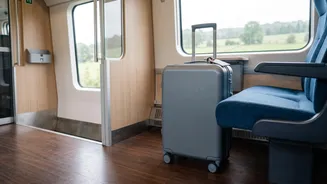
The single most effective deterrent against theft on a train is the classic chain and lock. It’s a low-tech solution that works wonders. Most Indian long-distance trains, particularly in AC and sleeper coaches, have metal loops or rings under the lower
berths specifically for this purpose. Before you settle in, thread a sturdy steel chain through the handles of your main luggage and secure it to one of these fixed points with a high-quality padlock. This simple act makes a quick grab-and-run theft nearly impossible, encouraging opportunistic thieves to look for an easier target. For best results, use a chain that’s long enough to secure multiple bags together.
Choose Your Berth and Bag Wisely
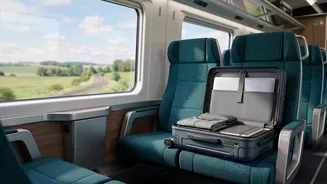
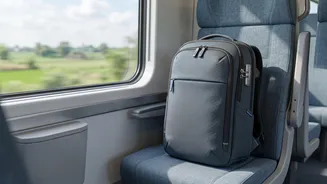
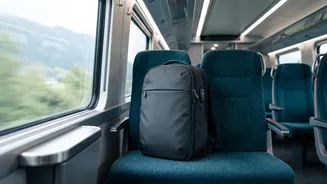
Your berth location can be a strategic advantage. While many prefer the lower berth for convenience, the upper berth often provides better security for smaller bags containing electronics, as you can keep them beside you as you sleep. For your main luggage, investing in an anti-theft bag or backpack is a smart move. These are designed with features like slash-proof fabric, hidden zippers, and reinforced straps that make them significantly harder to compromise. When packing, avoid placing valuables in easily accessible outer pockets; bury them deep within the main compartment. And never travel with bags that have obvious luxury branding, as this can make you a target.
Embrace Smart Tracking Technology
For your most valuable tech, a small investment in a Bluetooth tracker can provide immense peace of mind. Devices like Apple AirTags, Samsung SmartTags, or Tile trackers are small enough to slip into a pocket of your laptop bag or camera case. These trackers use Bluetooth to communicate their location to your phone. If your bag goes missing, you can use your phone's app to see its last known location. Some systems can even leverage a network of other users' phones to help locate your item even when it's out of your immediate Bluetooth range. While not a preventative measure, a tracker dramatically increases the chances of recovering stolen or misplaced gear.
Keep an 'Essentials' Bag on Your Person
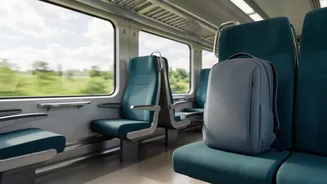
A common mistake is packing everything into one large suitcase. A much safer strategy is to use a small daypack, sling bag, or crossbody bag for your absolute essentials. This bag should contain your phone, wallet, keys, chargers, and perhaps a tablet or small laptop. This is the bag that never leaves your side. You take it with you when you go to the washroom or step out at a station. When sleeping, you can use it as a pillow or keep it secured near your head. This ensures your most critical and expensive items are always under your direct control, even when your larger luggage is chained under the seat.
Stay Situationally Aware
Technology and locks are helpful, but they are no substitute for awareness. Most thefts on trains occur when passengers are asleep or when the train is stopped at a station, creating a moment of confusion and an opportunity for a quick escape. Be particularly alert during night-time stops. Avoid displaying expensive gadgets like high-end laptops or cameras unnecessarily, as this can attract unwanted attention. If you need to leave your seat, especially when traveling solo, try to do so when the train is moving at a steady speed rather than when it's stationary at a platform.
Practice Good Digital Hygiene
Protecting your physical gear is only half the battle. Your digital information is just as valuable. Ensure all your devices—laptops, tablets, and phones—are protected with strong passwords, PINs, or biometric locks. Enable 'Find My' features that allow you to remotely track, lock, or even erase your device if it's stolen. This prevents a thief from accessing your personal data, bank accounts, and other sensitive information. It's also wise to be cautious of public Wi-Fi on trains or at stations, as these networks can be insecure. Use a VPN if you must connect, or rely on your mobile data for any sensitive activities.