






The Grand Illusion of the Metro Map
In our rapidly growing cities, the mere presence of a public transport node is marketed as the ultimate convenience. A pin on a digital map—be it for a metro, bus, or suburban rail—becomes a key selling point for a residential area. But this creates an illusion
of accessibility. The reality for many is that these services are often designed around a narrow definition of 'need': the 9-to-5 office commute. Public transport in many Indian cities is notoriously undependable, slow, and inconvenient. For anyone whose life doesn’t fit into this rigid peak-hour schedule, the nearby station might as well be on another planet. The convenience promised by the map evaporates when faced with a 40-minute wait for an off-peak train or a bus that skips the route entirely after 9 p.m.
The Tyranny of the Timetable
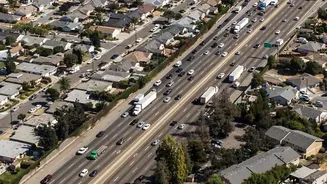
True convenience is not about where a route goes, but when. Public transport must serve everyone, not just the office-goer. This includes students with late classes, retail workers on evening shifts, families visiting relatives on a Sunday, or anyone needing to run an errand in the middle of a Tuesday. When services dwindle dramatically outside of morning and evening rush hours, it effectively curtails the freedom of a large section of the population. They are forced into a frustrating choice: either pay exorbitant fares for auto-rickshaws and cabs, invest in a private vehicle they might not be able to afford, or simply stay home. This reliance on private vehicles, often born out of necessity, only adds to the congestion and pollution that public transport is meant to solve. Studies show that in cities like Delhi, the distinction between peak and non-peak hours is blurring, with arterial roads choked from 8 a.m. to 8 p.m., making efficient bus movement even harder.
The Hidden Costs of Unreliable Transport
The problem goes beyond simple inconvenience; it has deep social and economic costs. Poor last-mile connectivity and infrequent services are major reasons why potential users avoid public transport. A study in Bengaluru found that 70% of potential metro users were deterred by inconvenient access to stations. This 'last mile' problem disproportionately affects lower-income workers and women, limiting their access to better job opportunities that might be just a few stops away but are practically unreachable. Furthermore, safety concerns rise significantly during long waits at poorly lit, deserted bus stops late at night. The lack of reliable transport after dark restricts mobility, especially for women, creating unofficial curfews and shrinking their world. The share of public transport in urban trips has fallen dramatically in India, a clear sign that the current systems are failing to meet user needs.
Redefining Convenience for a 24/7 India
For a neighbourhood to be genuinely convenient, its transport links must be frequent, dependable, and accessible to everyone, at all times. This requires a fundamental shift in how we plan our cities. Instead of focusing solely on building massive, capital-intensive projects like metros, we need to invest in an integrated and intelligent transport network. This means a robust fleet of buses that are given priority on roads, feeder services like shared autos and e-rickshaws that are seamlessly integrated with major hubs, and unified ticketing systems that make transfers easy. The goal should be to create a system where a resident can confidently leave their home at any time, knowing a safe, affordable, and reliable public transport option is just a few minutes away. The focus must shift from just building assets to ensuring high-quality, door-to-door journey performance.