





When Protein Was King
Remember the era of 'getting your protein in'? It wasn't that long ago. Every fitness influencer, diet plan, and new food product seemed to revolve around this single macronutrient. We were told it was the key to building muscle, losing weight, and feeling
full. Supermarket aisles filled with protein-fortified everything—from pasta and bread to ice cream. The message was simple and powerful: more protein is better. This single-minded focus made sense in a way; it was easy to understand and measure. But as with many wellness trends, the pendulum was bound to swing back from this hyper-fixation on one element of our diet.
The Rise of the Gut Microbiome
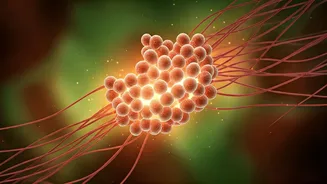
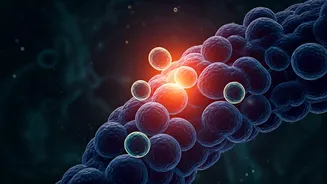
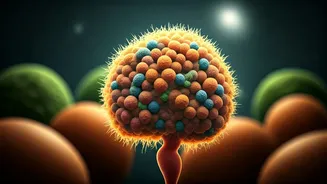
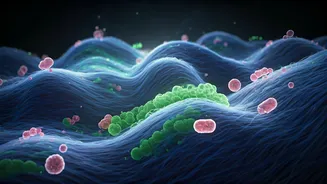
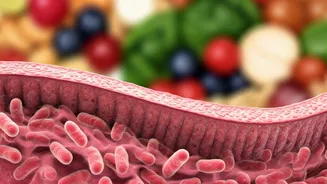
The main reason for this shift is a growing obsession with what's happening inside our gut. The term 'microbiome'—the complex ecosystem of trillions of bacteria and other microbes living in our digestive tract—has officially gone mainstream. Scientific research has exploded, linking the health of this internal garden to everything from our immune system and mental health to our risk of chronic diseases like diabetes and heart disease. We now understand that a healthy gut isn't just about avoiding indigestion; it's central to our overall well-being. This has fundamentally changed our nutritional priorities. The question is no longer just 'How do I feed my muscles?' but 'How do I feed the beneficial bacteria that keep me healthy?'
Fibre: The Unsung Hero
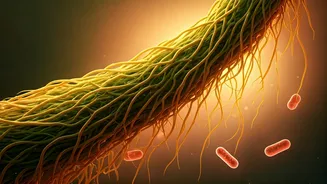
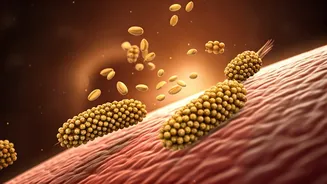
And the answer to that question is, overwhelmingly, fibre. For decades, fibre was typecast as 'roughage,' something you ate to stay 'regular.' It was the boring, functional part of bran flakes and prunes. But its new role is far more exciting. Specifically, certain types of fibre, known as prebiotics, are the preferred food for our good gut bacteria. When these bacteria feast on fibre, they produce beneficial compounds called short-chain fatty acids (SCFAs). These SCFAs do incredible things, like strengthening the gut barrier, reducing inflammation, and even communicating with our brain. So, fibre isn't just passing through; it's actively nourishing the ecosystem that runs our bodies. This reframes it from a passive janitor to an active nurturer of our internal health.
From 'High Protein' to 'High Fibre'
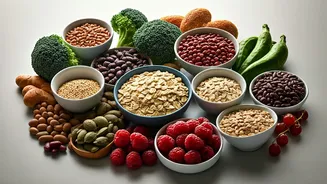
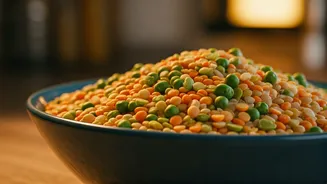
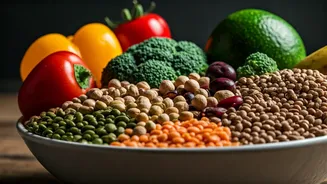
This new understanding is already changing the food landscape. You might notice food packaging beginning to highlight 'high in fibre' or 'good for gut health' claims. Restaurants are putting more emphasis on diverse plant-based ingredients, not just as a meat substitute, but for their nutritional richness. In India, this trend feels like a return to roots. The renewed interest in millets like ragi and jowar, the celebration of diverse dals and legumes, and the appreciation for seasonal, local vegetables all align perfectly with a fibre-forward way of eating. While urban diets may have drifted towards more processed foods, this global trend reinforces the wisdom embedded in traditional Indian thalis, which are naturally rich in fibre from a variety of plant sources.
A More Holistic Approach to Health
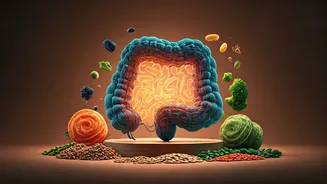
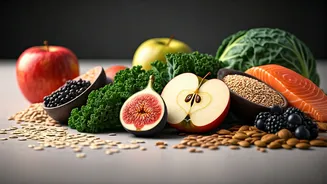
Ultimately, the move from protein to fibre signifies a more mature and holistic approach to nutrition. The protein craze was about isolating one nutrient and maximising it. The fibre focus is about nourishing an entire ecosystem. It encourages dietary diversity—eating a wide variety of fruits, vegetables, whole grains, nuts, and seeds—to cultivate a resilient and thriving microbiome. It moves us away from a reductionist view of food as just a collection of macros and towards an appreciation of whole foods in all their complex glory. It's less about hacking your body with a single ingredient and more about tending to your internal garden.