






What Does ‘Karat’ Really Mean?
Before comparing, it’s essential to know what 'karat' (K) signifies. Karat is the unit used to measure the purity of gold. The system is based on a total of 24 parts. Therefore, 24K gold means that 24 out of 24 parts are pure gold, making it 99.9% pure.
Anything less than 24K means the gold is mixed with other metals, known as alloys. For example, 22K gold consists of 22 parts gold and 2 parts other metals. It’s important not to confuse this with 'carat,' which is a unit of weight for gemstones.
24K Gold: The Purest Form
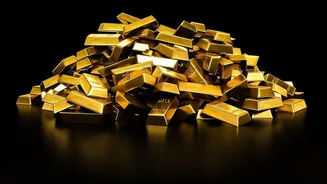
Twenty-four-karat gold is the highest purity you can find, boasting 99.9% gold content. This purity gives it a distinct, bright, and vibrant yellow colour that is unmatched. However, this purity comes with a significant drawback for jewellery: softness. Pure gold is highly malleable, meaning it can bend, scratch, and deform easily, making it impractical for items intended for daily wear. Because of its high value and purity, 24K gold is most commonly used for investment purposes, such as in gold bars and coins, or for special ceremonial pieces where durability is not the primary concern.
22K Gold: The Practical Choice for Jewellery
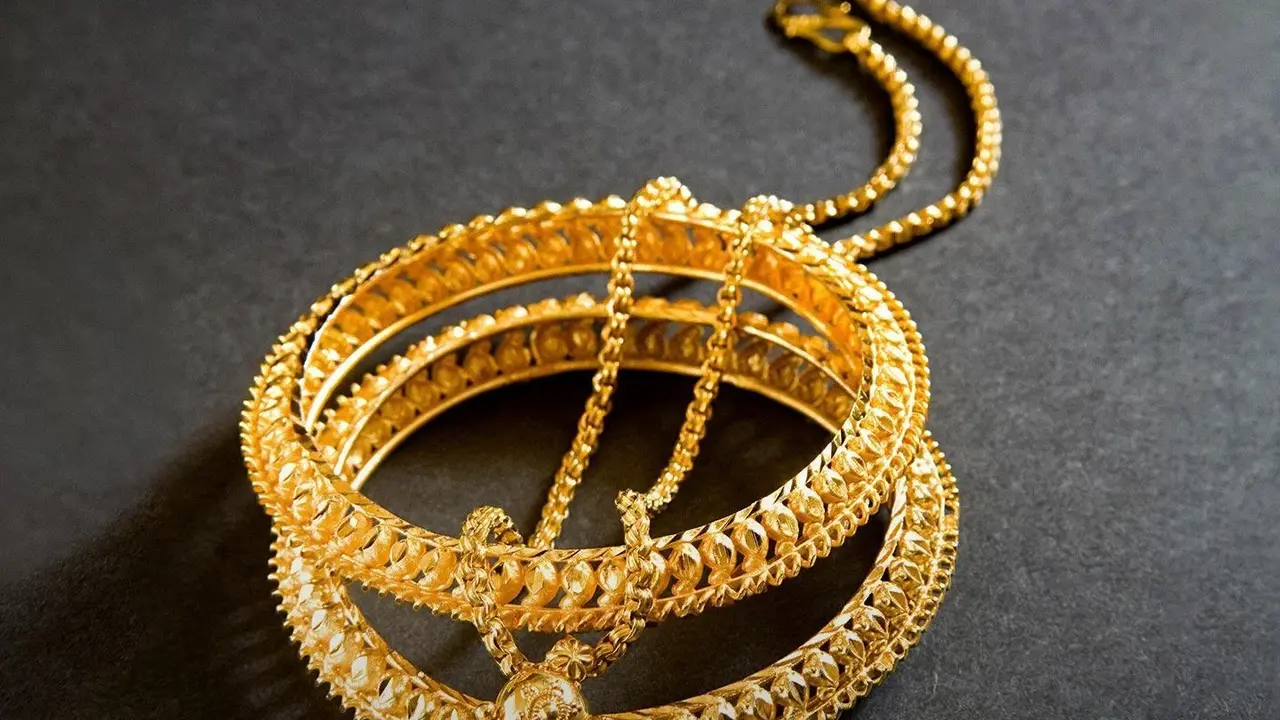
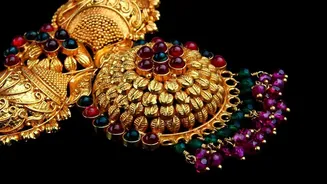
Often called '916 gold', 22K gold is composed of 91.67% pure gold, with the remaining 8.33% made up of alloy metals. These alloys, typically a mix of silver, copper, and zinc, are added to enhance the metal's strength and durability. This blend makes 22K gold significantly more resilient to the knocks and scrapes of everyday life compared to its 24K counterpart. It maintains a rich, warm yellow hue that is highly prized, especially in traditional Indian jewellery. This balance of high purity and necessary hardness makes it the preferred standard for crafting everything from intricate bridal necklaces to sturdy daily-wear bangles.
Durability and Daily Wear
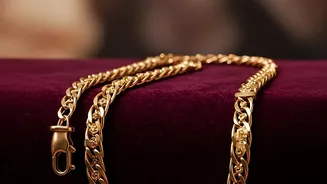
When it comes to jewellery that you plan to wear frequently, durability is paramount. This is where 22K gold has a clear advantage. The addition of harder alloy metals makes it strong enough to hold its shape and withstand daily activities. A ring or bracelet made of 24K gold would be far more susceptible to damage. For this reason, most jewellers will recommend 22K (or even 18K) gold for engagement rings, chains, and other pieces that are worn regularly. While 24K gold holds the title for purity, 22K gold wins for practicality and longevity in wearable forms.
Which Is Better for Your Jewellery?
The right choice depends entirely on the purpose of your purchase. If you are buying gold purely as an investment, such as coins or bars, 24K gold is the ideal option due to its higher intrinsic value and purity. However, for any piece of jewellery you intend to wear, 22K gold is almost always the superior choice. It offers the perfect compromise between the beautiful colour and high value of gold and the necessary durability to make it last. It's strong enough for detailed craftsmanship, which is why it's the foundation of India's renowned traditional jewellery designs.
Understanding the Price Difference
It is a straightforward rule that the higher the purity, the higher the price. Consequently, 24K gold is more expensive per gram than 22K gold. The price difference reflects the lower percentage of pure gold in a 22K piece. When you buy 22K jewellery, you are paying for 91.67% gold content, with the rest being less expensive metals. Remember that the final price of a jewellery item also includes making charges, which are the costs associated with the labour and design of the piece. These charges are separate from the value of the gold itself.