


More Than Just 'Mishti Mukh'
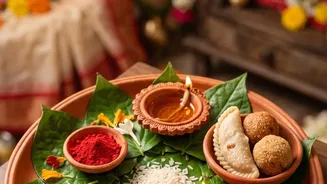
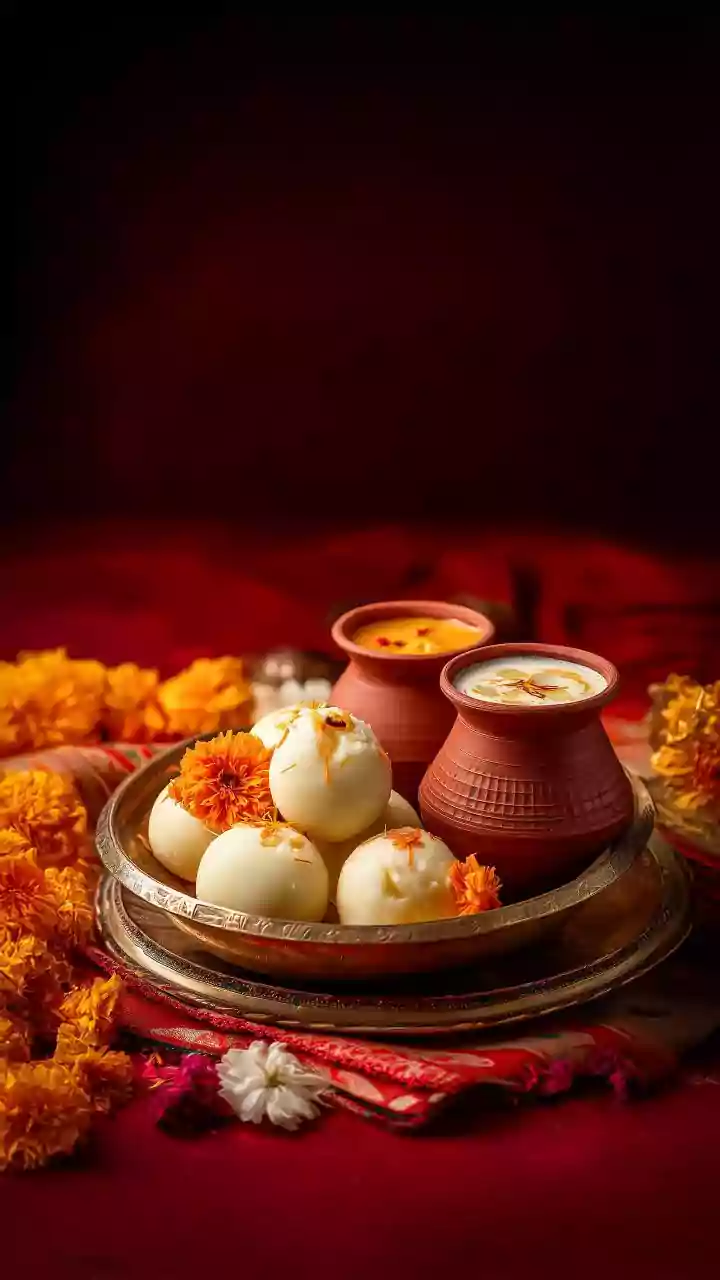
The period after the immersion of the Durga idol is known as Bijoya, a time for victory and celebration. It’s marked by 'Bijoya Sammilani', warm gatherings where friends and relatives visit each other's homes to exchange greetings. The tradition begins
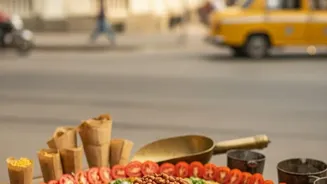
with 'mishti mukh' or sweetening the mouth, but that is just the opening act. The real conversations, the adda, the laughter, all unfold over the 'nonta' or savoury platter that is thoughtfully laid out for guests. It’s an expression of hospitality that says, ‘Stay a while, the celebration isn’t over yet’.
The Anatomy of a Perfect Platter
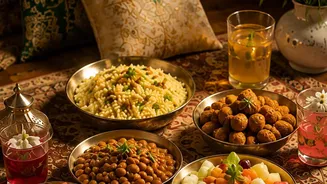
A well-curated Bijoya platter is a symphony of textures and flavours. It’s not just a collection of snacks but a balanced meal in itself, designed to delight the palate. The key is variety: something crunchy, something soft, something spicy, and something tangy. From deep-fried classics to hearty curries served in small bowls, every item has a role to play. The platter is a canvas showcasing the host’s affection, with each component adding to the story of a culture that bonds deeply over food.
Crispy, Crunchy Classics
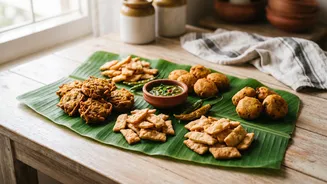
No Bengali savoury platter is complete without an assortment of fried delights. The most essential are 'nimkis' — salty, diamond-shaped crackers made from flour and nigella seeds, fried to a perfect crisp. You'll often find two kinds: the larger, flakier ones and the tiny, addictive 'kucho nimki'. Alongside them are 'shingaras', the Bengali version of a samosa, often filled with a lightly spiced mixture of potatoes, cauliflower, and peanuts. Then there are the various 'chops' or cutlets. Vegetable chop, with its distinctive sweet and spicy beetroot filling, and 'mochar chop', made from banana blossoms, are perennial favourites.
The Hearty and Soulful Centrepiece
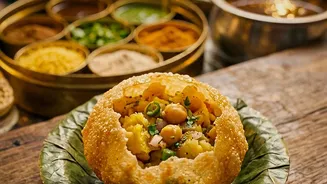
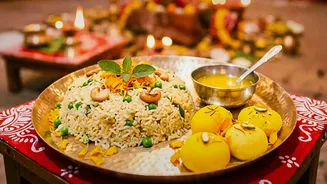
To balance the fried items, a platter needs a hearty centrepiece, and nothing fits the bill better than 'Ghugni'. This iconic dish is a slow-cooked curry made from dried yellow or white peas, seasoned with spices. Often made 'niramish' (without onion or garlic) for the occasion, it’s garnished with chopped onions, coriander, and a drizzle of tangy tamarind chutney, adding layers of flavour with every spoonful. It's the kind of soulful dish that provides warmth and substance, making guests feel truly nourished.
Luchi and Alur Dom: An Iconic Duo
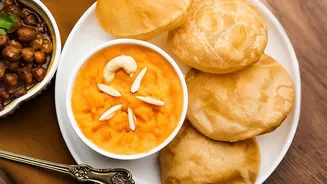
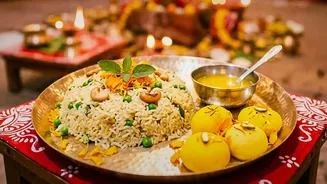
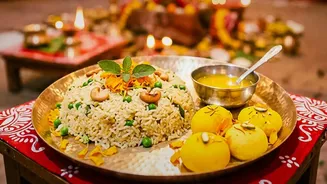
If Ghugni is the heart of the platter, the combination of 'Luchi' and 'Alur Dom' is its soul. Luchis are soft, puffy, deep-fried breads made from refined flour that are an absolute indulgence. They are the perfect vehicle for scooping up 'Alur Dom', a flavourful, slow-cooked potato curry. This Bengali dum aloo can be fiery or subtly spiced, sometimes cooked with new winter potatoes, and it stands as a testament to how the simplest ingredients can create culinary magic. Serving this pair is a non-negotiable part of festive Bengali hospitality.
A Modern Take on Tradition
While the classics remain untouched, modern Bijoya platters often reflect contemporary tastes and busy lifestyles. Hosts might add new elements like mini sandwiches, baked savoury bites, or even small cheese boards alongside the traditional fare. The spirit, however, remains the same. The goal is to bring people together and share joy through food. Whether it’s a recipe passed down through generations or a new-age creation, every item on the platter is a gesture of love and a celebration of togetherness.