

The Vertical Mindset Shift
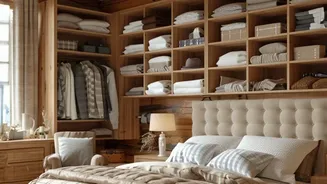
The fundamental rule for reclaiming a small bedroom is to stop thinking horizontally and start thinking vertically. Your walls and the air space above your furniture are often the most underutilized assets in the room. By drawing the eye upward, you not
only create immense storage opportunities but also make the room feel taller and more open. This isn't about filling every blank surface; it’s about a strategic shift to use the full volume of your room, turning neglected areas into functional, stylish storage zones. Before buying another low, wide piece of furniture, look up and see the potential waiting above.
Embrace the Wall: Shelving and Beyond
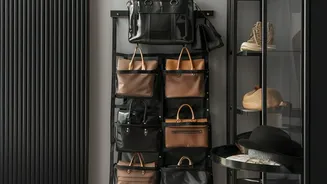
Walls are your greatest ally in the fight against floor clutter. Floating shelves are a classic for a reason: they offer storage for books, plants, and decorative items without consuming any floor space. Consider installing a set above your dresser or desk. For an even more integrated approach, wall-mounted nightstands free up the floor entirely, creating an airy, hotel-like feel. If you need a workspace, a wall-mounted folding desk provides a functional surface that can be tucked away when not in use. Even picture ledges, which are slim and unobtrusive, can hold small electronics, frames, and accessories, keeping your main surfaces clear.
Go High: The Power of Lofted Furniture
The single largest piece of furniture in your bedroom is the bed. Making it work harder is a game-changer. A loft bed is the ultimate space-saver, lifting your sleeping area to open up the floor below for a desk, a cozy reading nook, or extra storage. Modern loft beds are available in full and queen sizes and are designed to be sturdy and stylish for adults, not just for kids' rooms. If a full loft feels too high, consider a mid-height or captain's bed. These designs incorporate deep drawers or cabinets into the bed frame, often providing enough storage to replace a bulky dresser entirely.
Think Tall and Slim
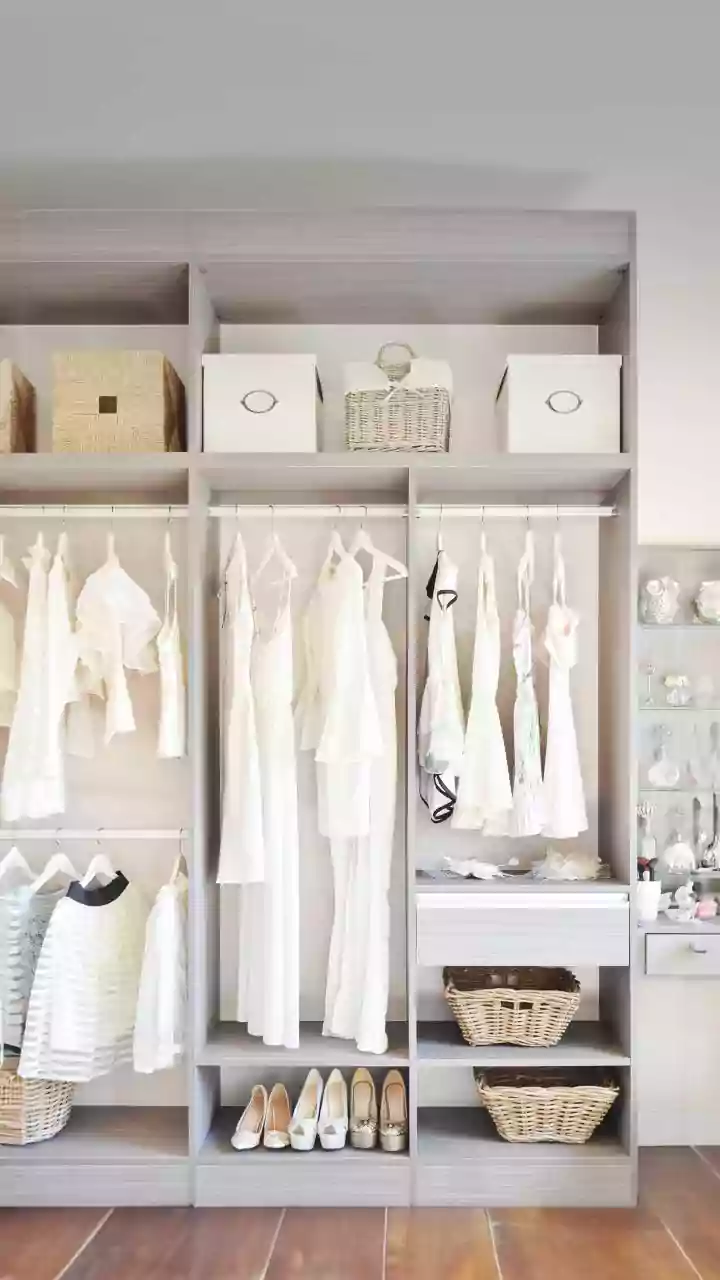
When you do need freestanding furniture, choose pieces that are tall and narrow rather than short and wide. A tall, slender bookcase or a five-drawer chest takes up a much smaller footprint than its sprawling horizontal counterpart but can offer the same, if not more, storage capacity. Ladder shelves are another excellent option, providing tiered storage that feels visually light and can lean against a wall in a tight space. These pieces naturally draw the eye upward, reinforcing the sense of height and openness in the room while keeping your belongings organized and accessible.
Utilize Hidden and Awkward Spaces
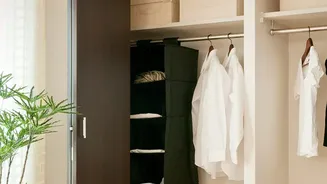
Finally, don't forget the small, often-ignored nooks and crannies of your room. The back of your bedroom door is prime real estate for an over-the-door organizer, perfect for shoes, accessories, or toiletries. Awkward corners can be transformed with purpose-built corner shelving units, turning a dead zone into a functional display or storage area. The space above your headboard is another frequently missed opportunity; a single long shelf or a row of shallow cabinets can provide storage for items you don't need to access daily. By making every inch count, you create a room that is efficient, organized, and feels surprisingly spacious.