

Why Yoga Works for Exam Stress
When we get stressed, our bodies release a hormone called cortisol. A little bit is fine, but during long periods of pressure like exams, levels can get too high, leading to anxiety, poor sleep, and difficulty concentrating. Yoga helps by calming the
nervous system and reducing these stress hormones. The combination of physical postures, controlled breathing, and mindfulness provides a much-needed break for a tired mind. It improves blood flow to the brain, which can help with memory and focus, while also releasing physical tension stored in the body, particularly in the neck, shoulders, and back. Even a few minutes a day can make a noticeable difference.
Cat-Cow Stretch (Marjaryasana-Bitilasana)
This gentle, flowing movement is perfect for waking up the spine and releasing tension after long hours of sitting at a desk. By syncing your breath with the movement, it becomes a form of moving meditation that calms the mind. Start on your hands and knees in a 'tabletop' position, with your wrists under your shoulders and knees under your hips. As you inhale, drop your belly, lift your chest and chin, and look up toward the ceiling (Cow Pose). As you exhale, round your spine toward the ceiling, tuck your chin to your chest, and press the floor away (Cat Pose). Repeat this flow for 5 to 10 breaths, feeling the gentle massage on your spine and abdominal organs.
Child’s Pose (Balasana)
Child's Pose is a deeply restorative posture that offers an immediate sense of calm and safety. It gently stretches the hips, thighs, and lower back while relieving fatigue. To practice it, kneel on the floor, touch your big toes together, and sit back on your heels. You can keep your knees together or spread them wide. Then, fold forward, resting your torso between or on top of your thighs and bringing your forehead to the floor. You can stretch your arms out in front of you or rest them alongside your body. Focus on taking deep breaths into your back, holding the pose for at least 30 seconds to feel your body and mind relax.
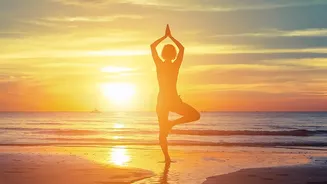
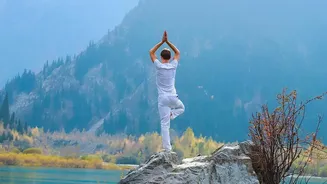
Tree Pose (Vrikshasana)
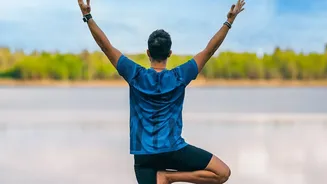
When your mind is racing with facts and figures, a balancing pose like Tree Pose can work wonders for your concentration. It forces you to find a single point of focus (known as a 'drishti') to maintain your stability, which trains your brain to stay present and ignore distractions. Start by standing tall and shifting your weight onto your left foot. Place the sole of your right foot on your inner left ankle, calf, or thigh—just avoid placing it directly on the knee. Bring your hands together in front of your heart. Hold your gaze on a fixed spot in front of you and breathe steadily. This pose not only improves focus but also strengthens your legs and core.
Legs-Up-The-Wall Pose (Viparita Karani)
This is one of the most relaxing and accessible yoga poses, perfect for the end of a long day of studying. It requires minimal effort but offers significant benefits. It helps calm the nervous system, reduces swelling in tired legs and feet, and can alleviate headaches and lower back tension. To get into the pose, sit on the floor with one side of your body against a wall. Gently swing your legs up the wall as you lie back on the floor. Your sit bones should be as close to the wall as is comfortable. Let your arms rest by your sides with palms facing up. Close your eyes and breathe deeply for 5 to 15 minutes to allow your body and mind to completely unwind.