






In the quest for total-body strength, forearms and grip are often the unsung heroes. The term 'African wrist rolling' points to a powerful method for developing them, but it can mean two things: a traditional mobility drill or a modern strength tool.
The Forearm Builder: What Is a Wrist Roller?
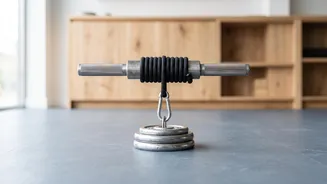
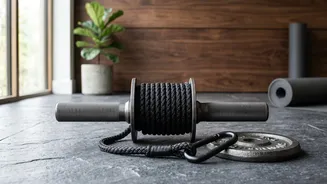
When fitness enthusiasts talk about wrist rolling, they are almost always referring to a simple but brutally effective device: the wrist roller. This tool consists of a short bar or handle attached to a rope with a weight at the end. The exercise involves holding the bar with both hands and extending your arms, then rotating your wrists to wind the rope and lift the weight. Once the weight reaches the top, you slowly reverse the motion, controlling the weight as it descends. This movement creates constant tension on the muscles of the lower arm, making it one of the most direct ways to build forearm size and endurance.
The Benefits of Building a Stronger Grip
Strengthening your forearms with a wrist roller pays dividends across your entire fitness routine. The most obvious benefit is a significant increase in grip strength, which is often the weak link in major lifts like deadlifts, pull-ups, and rows. Beyond just holding on longer, strong forearms contribute to wrist stability and can help prevent common injuries like sprains or strains. The exercise targets both the flexor muscles on the underside of your forearm and the extensor muscles on the top, ensuring balanced development. This balanced strength is crucial not just for lifting, but for sports like climbing, martial arts, and baseball where wrist control is key.
How to Perform a Weighted Wrist Roll
Proper form is critical to get the most out of the wrist roller and avoid injury. Start by standing with your feet shoulder-width apart, holding the handle with both hands using an overhand grip. Extend your arms straight out in front of you at shoulder height, keeping a slight bend in your elbows. From this stable position, begin rotating your wrists one at a time to roll the rope up toward the bar. Focus on using only your wrists; avoid shrugging your shoulders or swinging your body to create momentum. Once the weight plate touches the bar, reverse the motion with the same deliberate control, slowly unrolling the rope until the weight is back at the starting position. One full cycle up and down counts as a single repetition.
The Traditional Movement: Unweighted Rolling
The term 'African wrist rolling' also refers to a traditional, centuries-old exercise that involves no equipment at all. This version is a simple mobility drill performed by rolling the wrists in a circular motion. The goal here is not to build massive strength but to improve flexibility, boost blood circulation, and maintain joint health. By gently stretching the muscles and tendons, this movement can help reduce stiffness and the risk of repetitive strain injuries. It serves as an excellent warm-up before a workout or a recovery drill to alleviate muscle soreness. Unlike its weighted counterpart, this exercise can be done anywhere, anytime.
Common Mistakes to Avoid
To ensure you're training effectively and safely, watch out for a few common errors. First, avoid loading the roller with too much weight too soon. This often leads to poor form, where you start using your shoulders and back to lift the weight, defeating the purpose of the exercise. Second, do not let the weight drop uncontrollably on the way down. The eccentric (lowering) phase is just as important as the concentric (lifting) phase for building strength. Finally, keep your arms locked in position. As fatigue sets in, it’s tempting to drop your arms, but maintaining them at shoulder height forces the forearm muscles to do all the work.