




Our Drains Are from a Different Era
A significant part of the problem lies beneath our feet. Many of India's major cities, including Mumbai and Delhi, rely on stormwater drainage systems that are decades, if not a century, old. These networks were designed for much smaller populations and lower
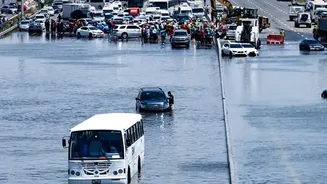
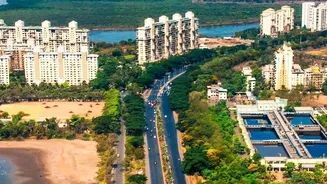
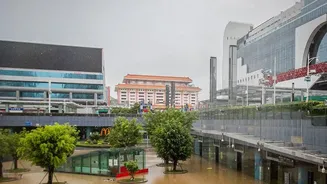
rainfall intensities. For instance, Mumbai's drains were built to handle about 25 mm of rain per hour, but the city now faces downpours that can exceed 100 mm per hour. Similarly, Delhi's drainage master plan dates back to 1976. This mismatch between old infrastructure and new climate realities means that even moderate rainfall can quickly overwhelm the system, leading to the widespread waterlogging that paralyses urban life.
The Chokehold of Concrete and Waste
As cities have expanded at a breakneck pace, concrete has replaced permeable soil that once absorbed rainwater. This unplanned urban sprawl dramatically increases surface runoff, channelling massive volumes of water directly onto streets and into the already strained drainage system. Compounding this is the critical issue of solid waste. The rampant dumping of plastic, construction debris, and household garbage into open drains and channels is a primary cause of blockages. In Chennai, it was estimated that solid waste reduced the drainage capacity of canals by as much as 30%. Even when municipalities conduct pre-monsoon desilting, the efforts are often rendered useless as garbage clogs the drains again, turning them from escape routes into bottlenecks.
The Vanishing Urban Sponges
Historically, Indian cities were built around a network of lakes, ponds, wetlands, and floodplains. These natural features acted as sponges, absorbing excess rainwater and recharging groundwater. However, rapid and often illegal construction has encroached upon and destroyed these vital water bodies. Bengaluru, once known for its interconnected lake system, has lost nearly 80% of its water bodies over the decades. The construction of major developments on river floodplains, such as along Delhi's Yamuna, further obstructs the natural flow of water. By eliminating these natural buffers, cities have removed their own best defence against flooding, ensuring that more water ends up on the streets.
A Failure of Planning and Governance
Ultimately, urban flooding is a man-made disaster stemming from governance and planning failures. Many cities lack scientifically designed master plans for stormwater drainage, with over 70% of urban areas having inadequate systems. There is often a lack of coordination between various municipal agencies responsible for roads, sanitation, and urban planning. Furthermore, stormwater drains in many cities are often misused to carry raw sewage, for which they were not designed, reducing their capacity and complicating maintenance. The focus often remains on reactive, short-term fixes like pre-monsoon cleaning rather than a long-term, integrated vision for resilient urban design. This approach treats the symptom—flooding—without addressing the root causes of infrastructural neglect and unsustainable development.