

Not Just a Nostalgia Trip
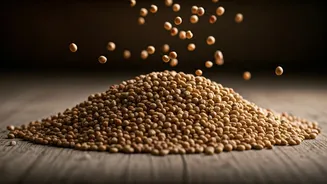
For generations, millets like jowar, bajra, and ragi were staples in Indian homes. Now, they're stepping back into the spotlight. This resurgence isn't just about tradition; it's backed by a global push for healthier, more sustainable food systems. The
United Nations even declared 2023 the 'International Year of Millets' to raise awareness of their incredible benefits. [13, 15, 24] This initiative, championed by India, has put these humble grains on the world stage, transforming them from a forgotten food to a celebrated superfood. [15, 25] The renewed focus aims to boost production and encourage us all to rediscover the potential sitting in this diverse grain family. [13, 24]
The Nutritional Powerhouse
So, what makes millets a 'superfood'? For starters, they are a nutritional goldmine. Packed with protein, high in dietary fibre, and naturally gluten-free, they are an excellent alternative to refined grains like wheat and rice. [8, 9, 22] This makes them ideal for those with gluten sensitivities or celiac disease. [9, 19, 22] Furthermore, millets have a low glycemic index, which helps manage blood sugar levels, making them a smart choice for diabetics. [9, 17, 22] They are also rich in essential minerals like iron, magnesium, and calcium. Ragi (finger millet), for example, is a calcium champion, great for bone health. [6, 21, 23]
A Win for the Planet
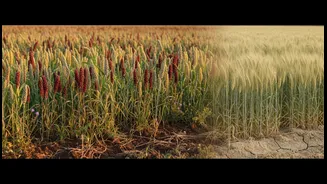
The benefits of millets extend far beyond our plates. In an era of climate change and dwindling natural resources, millet cultivation offers a sustainable solution. [3, 7, 18] These hardy crops are incredibly resilient. They require significantly less water than rice and wheat—up to 70% less in some cases—and can thrive in arid conditions and poor soil. [3, 12, 14] Their natural resistance to pests and diseases reduces the need for chemical fertilizers and pesticides, which is better for the environment and farmers. [3, 7] By choosing millets, you're not just making a healthy choice for yourself, but also a kinder choice for the planet. [14, 18]
Your Millet Starter Guide
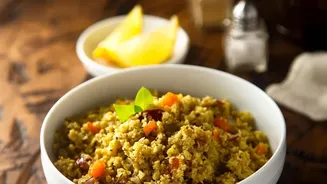
Ready to dive in? Getting started with millets is easier than you think. The term 'millet' covers a variety of grains, each with a unique flavour and texture. [11] Jowar (Sorghum) has a mild, earthy flavour and is perfect for making rotis. [11, 23] Bajra (Pearl Millet) is robust and nutty, traditionally used in bhakris and khichdi, especially in colder months. [11, 23] Ragi (Finger Millet) is known for its rich, nutty taste and is wonderful for making porridge, dosas, or even healthy cookies. [11, 21] Then there are minor millets like Foxtail Millet (Kangni) and Barnyard Millet (Samak), which are light and can be used as a fantastic substitute for rice. [6, 21]
Making Millets Deliciously Simple
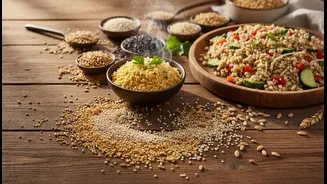
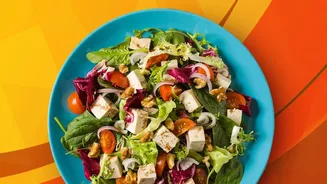
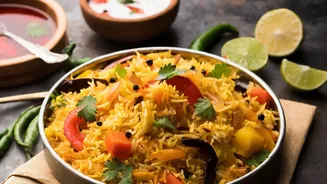
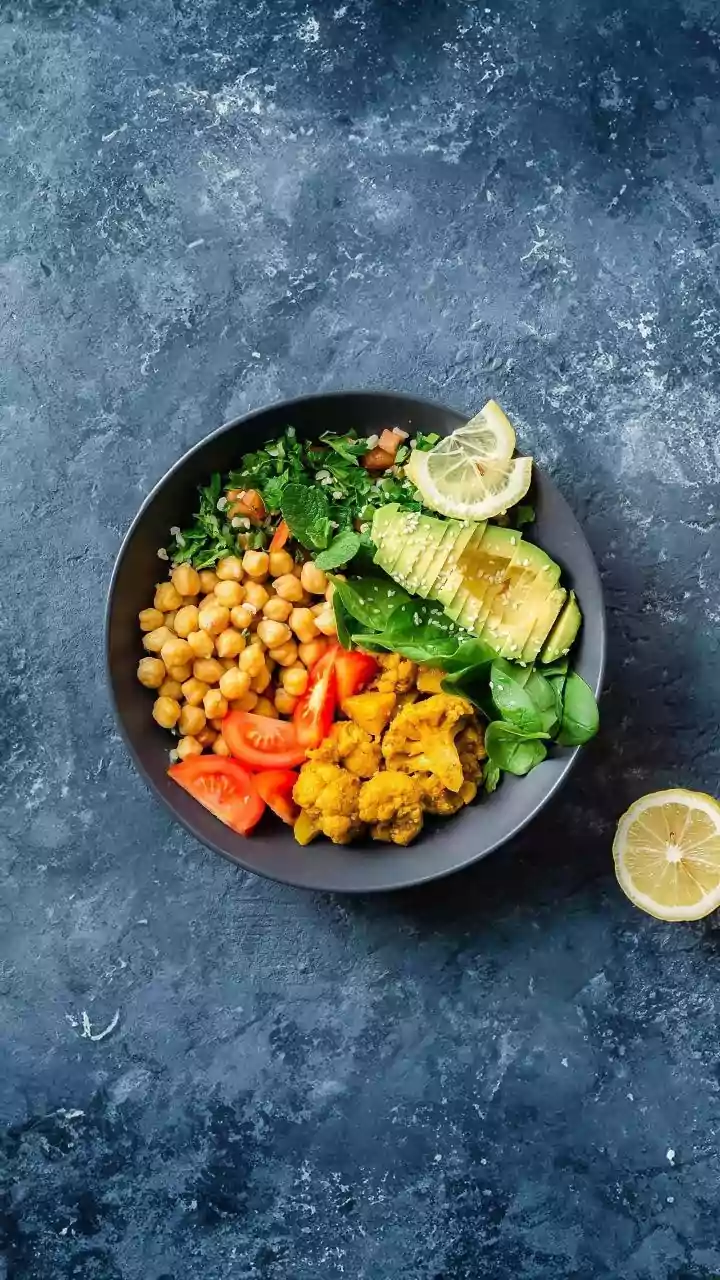
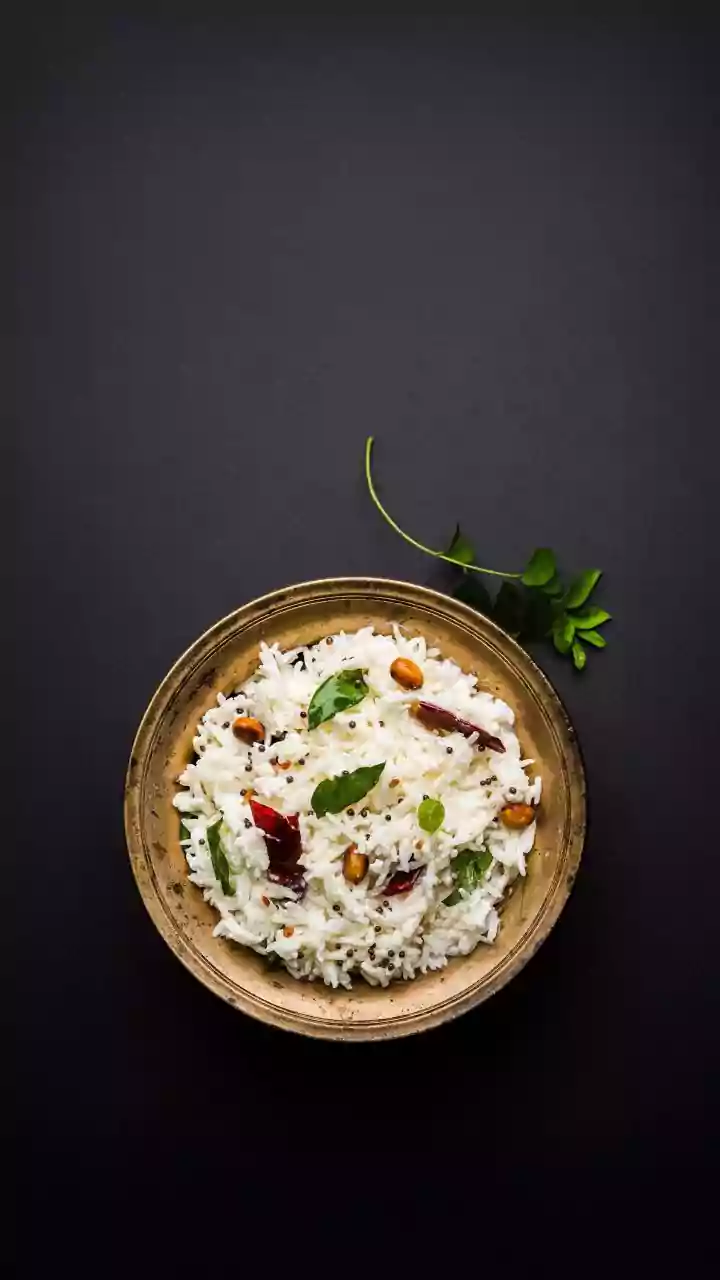
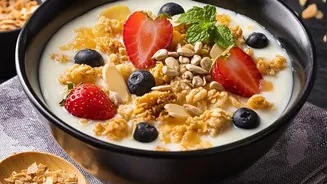
Incorporating millets into your daily diet doesn't require a complete kitchen overhaul. Start small. [4] Swap your regular white rice with cooked foxtail or little millet in a stir-fry or alongside a curry. [2, 4] Try mixing jowar or bajra flour with your whole wheat atta for chapatis. [4] A warm bowl of ragi porridge is a fantastic, energy-boosting breakfast. [5] You can add cooked millets to salads for extra texture and nutrients, or blend them into soups to make them heartier. [2, 5] The key is to experiment and find what works for you. From breakfast bowls and salads to rotis and khichdi, the possibilities are endless. [2, 5]