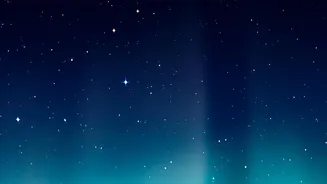



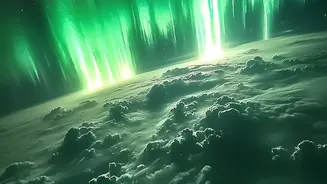
The ethereal, dancing lights of the aurora are one of nature’s most spectacular displays. But these beautiful curtains of light are also a visible warning sign of immense energy from the sun interacting with our planet, with the power to disrupt our lives.
From the Sun to Our Sky
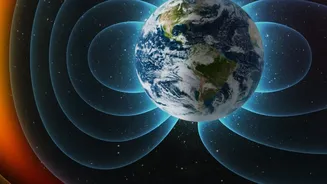
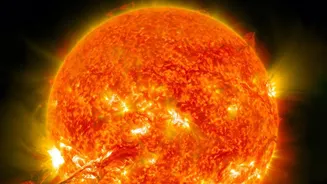
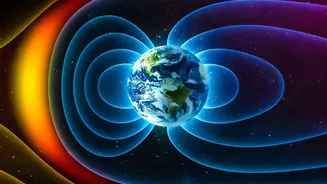
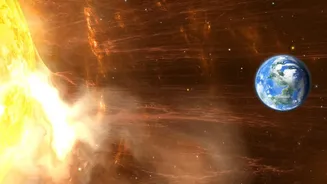
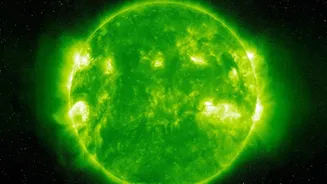
The aurora borealis (Northern Lights) and aurora australis (Southern Lights) are the beautiful end-products of a dramatic journey that begins 150 million kilometres away, at the sun. Our star is constantly breathing out a stream of charged particles called the solar wind. Sometimes, it does more than just breathe. It erupts, launching massive clouds of charged particles and magnetic fields into space. These are known as coronal mass ejections (CMEs). When a CME is aimed at Earth, it travels through space and can slam into our planet's protective magnetic shield, the magnetosphere. This collision rattles the magnetic field and funnels those energetic solar particles towards the poles. As these particles strike atoms like oxygen and nitrogen in the upper atmosphere, they transfer their energy, causing the atoms to glow in vibrant colours like green, red, and purple. The result is the mesmerising celestial ballet we know as the aurora.
The Hidden Electrical Threat
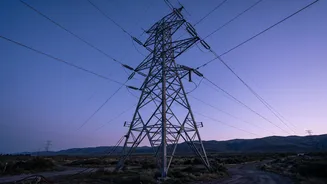
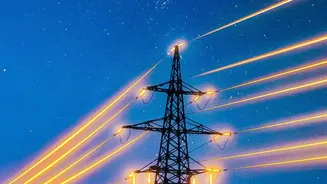
While the aurora itself is harmless, the powerful geomagnetic storm that creates it is another story. The same disturbance in Earth's magnetic field that produces the light show can have a profound effect on the ground beneath our feet through a process called electromagnetic induction. Rapidly changing magnetic fields create an electrical field on the Earth's surface. This, in turn, can create powerful, uncontrolled electrical currents in long man-made conductors, like pipelines, railway lines, and, most critically, high-voltage power transmission lines. These are known as geomagnetically induced currents, or GICs. Think of our vast electrical grid acting like a giant, unintended antenna, picking up rogue energy from space. The longer the transmission line, the stronger the potential current, which is why large-scale grids are particularly vulnerable.
How GICs Disrupt the Grid
Our power grids are designed to handle alternating current (AC). Geomagnetically induced currents, however, are more like direct current (DC). When this rogue DC flows into the large transformers that are the backbone of any grid, it can cause the transformer's magnetic core to become saturated. This leads to a cascade of problems: the transformers can rapidly overheat, harmonic distortions can be injected into the system, and protective relays can be tripped, shutting down segments of the grid to prevent catastrophic failure. In the worst-case scenarios, the transformers can be physically damaged or even melt down, requiring costly and time-consuming replacement. A single severe geomagnetic storm has the potential to cause widespread, long-lasting blackouts.
A Wake_Up Call from History
This threat is not merely theoretical. In March 1989, a severe geomagnetic storm caused the entire Hydro_Québec power grid in Canada to collapse in less than 90 seconds, leaving six million people without power for nine hours. That same storm melted transformers in New Jersey. Even earlier, the 'Carrington Event' of 1859, the most powerful geomagnetic storm on record, caused telegraph systems worldwide to fail, with some operators reporting sparks flying from their equipment and papers catching fire. If a storm of that magnitude were to strike today, the impact on our hyper_connected, electricity_dependent society would be catastrophic, affecting everything from communication and finance to transport and healthcare.
Eyes on the Sky and the Grid
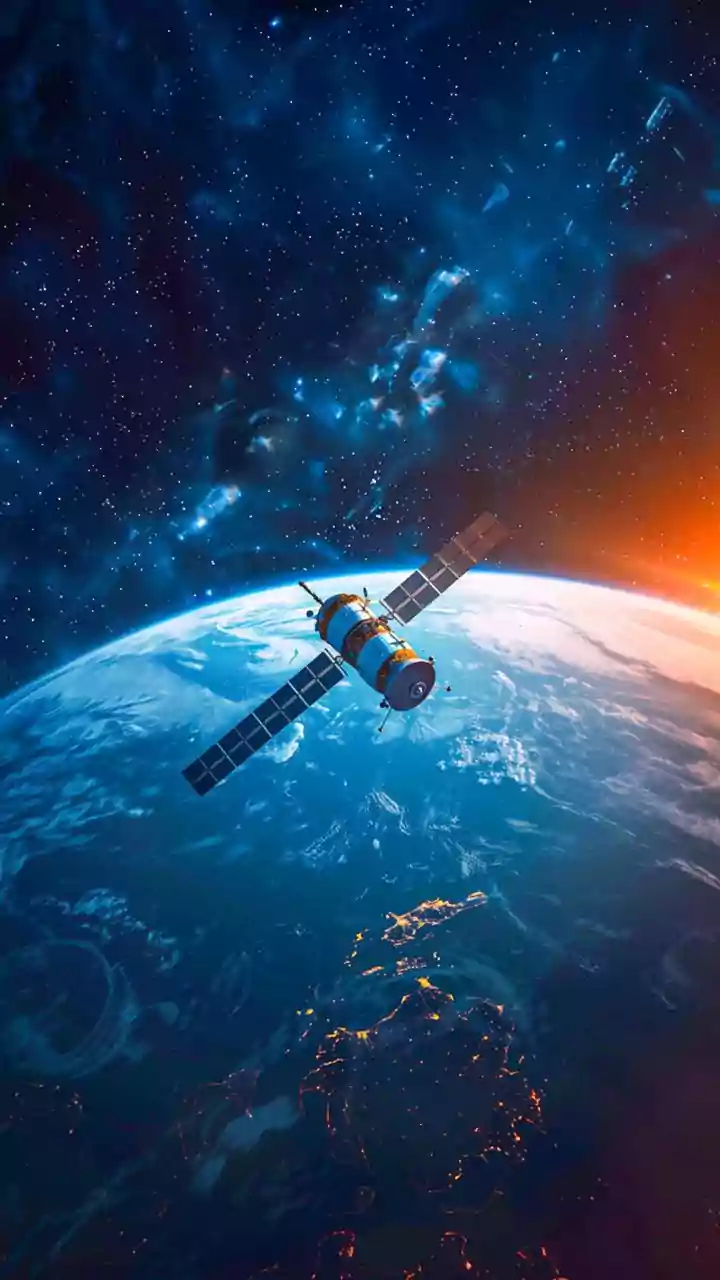
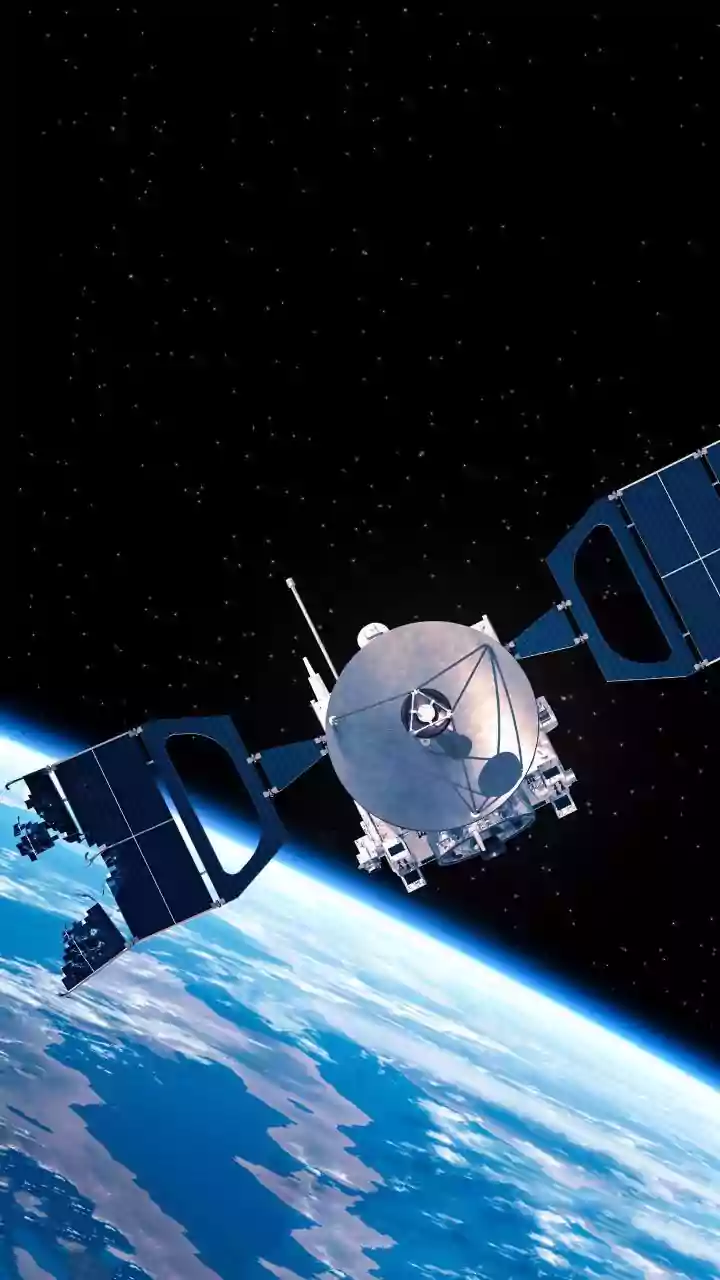
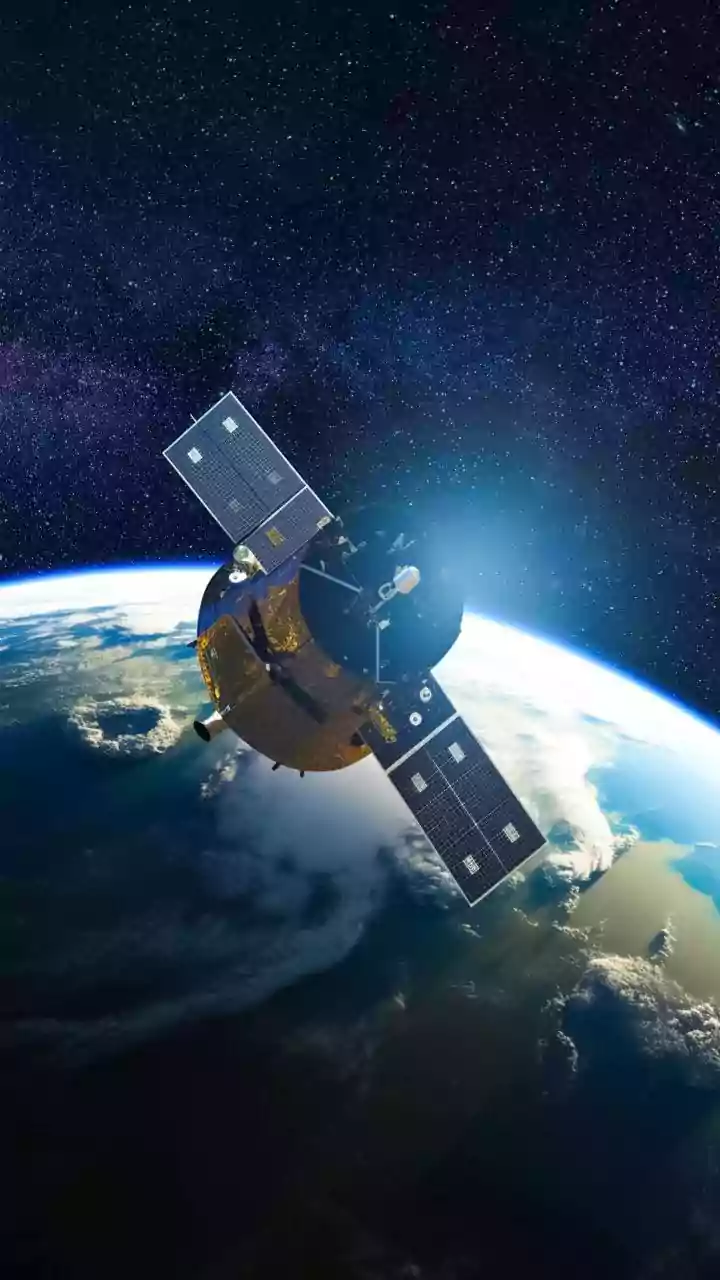
Thankfully, scientists and grid operators are not sitting idle. Space weather is now a critical area of research. In India, astrophysicists have successfully predicted auroral activity visible from as far south as Ladakh, a sign of heightened solar activity and a validation of our monitoring efforts. Forecasting is key. Satellites can provide advance warning of an Earth_directed CME, typically giving one to three days' notice before impact. This warning gives grid operators precious time to take protective measures. These can include reconfiguring the grid to reduce stress, temporarily taking sensitive equipment offline, and postponing non_essential maintenance. Researchers are also developing and installing new hardware, such as neutral blocking devices, which can physically stop GICs from entering and damaging transformers. These efforts are crucial as our sun enters a more active phase of its 11_year cycle, promising more frequent and intense solar storms.