






A new frontier of conflict is opening in low-Earth orbit. This time, it's not between nations, but between commercial ambition and scientific discovery, as a radical proposal for space-based data centres threatens to blind one of humanity's newest eyes
on the cosmos.
What Are Orbital Data Centres?
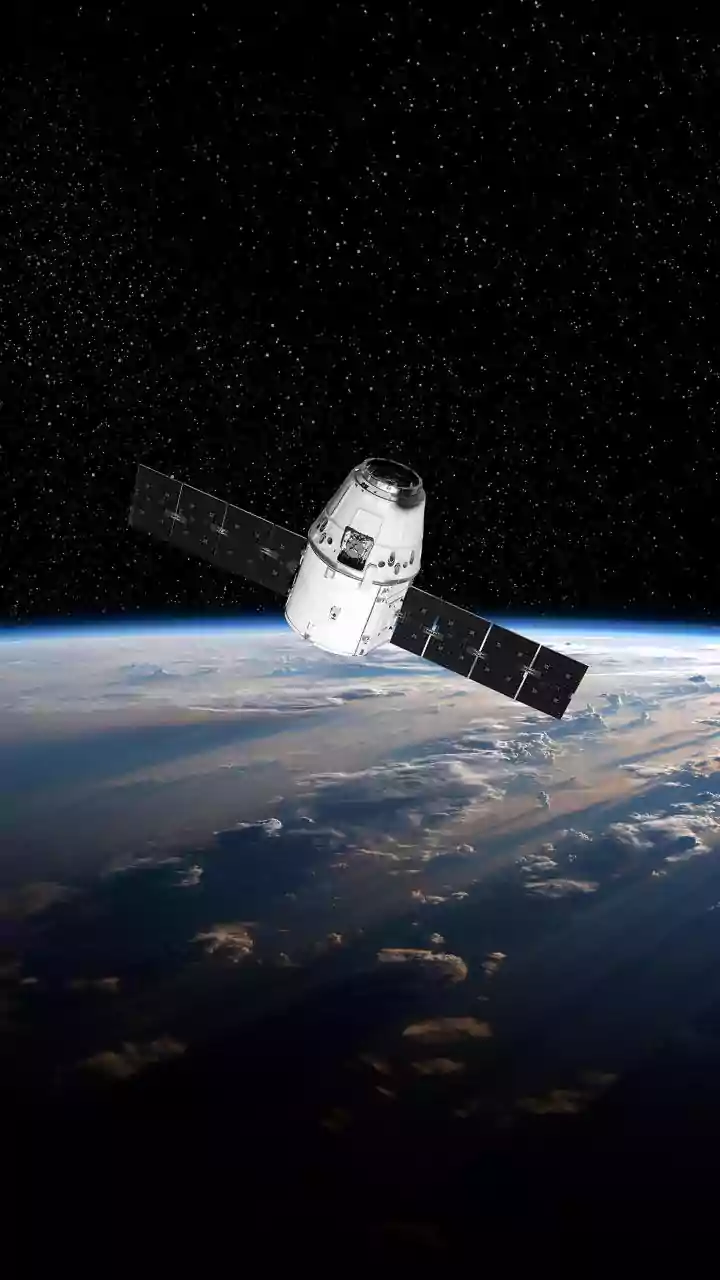
The explosive growth of artificial intelligence is creating an insatiable demand for data processing power and the electricity needed to run it. In response, several technology and aerospace firms have proposed a novel solution: moving data centres into space. The concept involves launching constellations of satellites equipped with powerful computers and vast solar arrays. Proponents, like SpaceX and Nvidia, argue that orbital data centres could bypass earthly limitations. In space, solar panels receive nearly constant sunlight, providing a potentially more consistent and greener power source than terrestrial grids. Processing data where it's collected—from Earth observation satellites, for instance—could also eliminate the immense challenge and cost of downlinking massive datasets to the ground. Companies have filed applications for constellations that could eventually number in the hundreds of thousands, or even a million, individual satellites.
The View from the Rubin Observatory
On a mountaintop in Chile, the Vera C. Rubin Observatory is just beginning its decade-long mission to map the southern sky in unprecedented detail. This U.S.-funded international project will use the world's largest digital camera to create a deep, time-lapse movie of the universe, hunting for everything from nearby asteroids to clues about dark matter. But its very strengths—a wide field of view and extreme sensitivity to faint objects—also make it uniquely vulnerable to the growing clutter in low-Earth orbit. Astronomers working with Rubin have raised urgent concerns that a sky filled with bright, reflective data centres would fundamentally compromise their work. Even before these new proposals, existing satellite constellations like Starlink have already begun to photobomb astronomical images, leaving bright streaks that can mask or mimic celestial phenomena.
More Than Just Bright Streaks
The threat posed by orbital data centres goes far beyond simple streaks. During a 30-second exposure by the Rubin Observatory, a single satellite can leave a trail across the entire image. While software can help identify and mask the brightest parts of these trails, the fainter 'wings' of the streak can linger in the data, contaminating the science. This is especially damaging for Rubin’s key goal of studying faint, low-surface-brightness objects. Worse, a very bright satellite can completely oversaturate a detector, rendering a whole section of the image useless. Simulations of a million-satellite constellation predict a catastrophic impact, with some studies suggesting that up to 80% of images taken during twilight—a critical time for observing—could be contaminated. Researchers warn this could lead to a 'nightly mean pixel loss' of 5-10% even with mitigation efforts, potentially hiding revolutionary discoveries.
A Crowded and Unregulated Frontier
The conflict highlights a growing crisis in space governance. The 1967 Outer Space Treaty holds nations responsible for the activities of their private companies, but the rules were not designed for the era of commercial mega constellations. In the U.S., regulation is split between several agencies, including the FCC for communications, the FAA for launch, and NOAA for remote sensing. However, there is no single body clearly responsible for authorising 'novel' activities like on orbit data processing or managing their cumulative environmental impact. This regulatory gap allows companies to propose massive projects on an individual basis, without a comprehensive assessment of how they will collectively affect the orbital environment, increase the risk of collisions, or harm scientific observation. Astronomers and governance experts are now calling for international bodies and national regulators to create a clear framework before the sky is irrevocably altered.