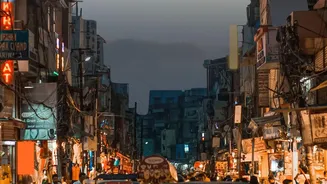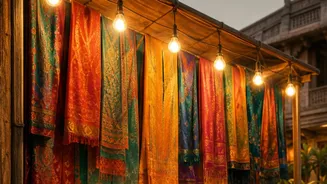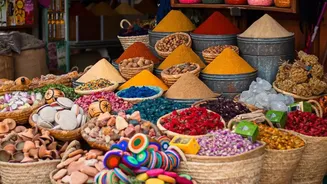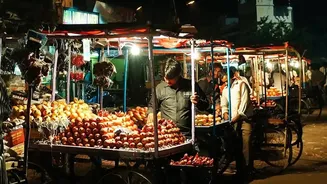






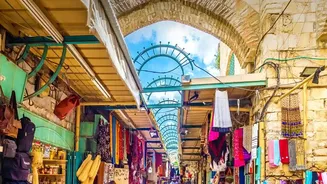

In an age of one-click checkouts and algorithm-driven suggestions, the vibrant, chaotic charm of the local bazaar endures. For many city shoppers in India, the pull isn't just nostalgia; it's a calculated choice for a richer experience.
The Sensory Appeal of the Open Market
Long before shopping
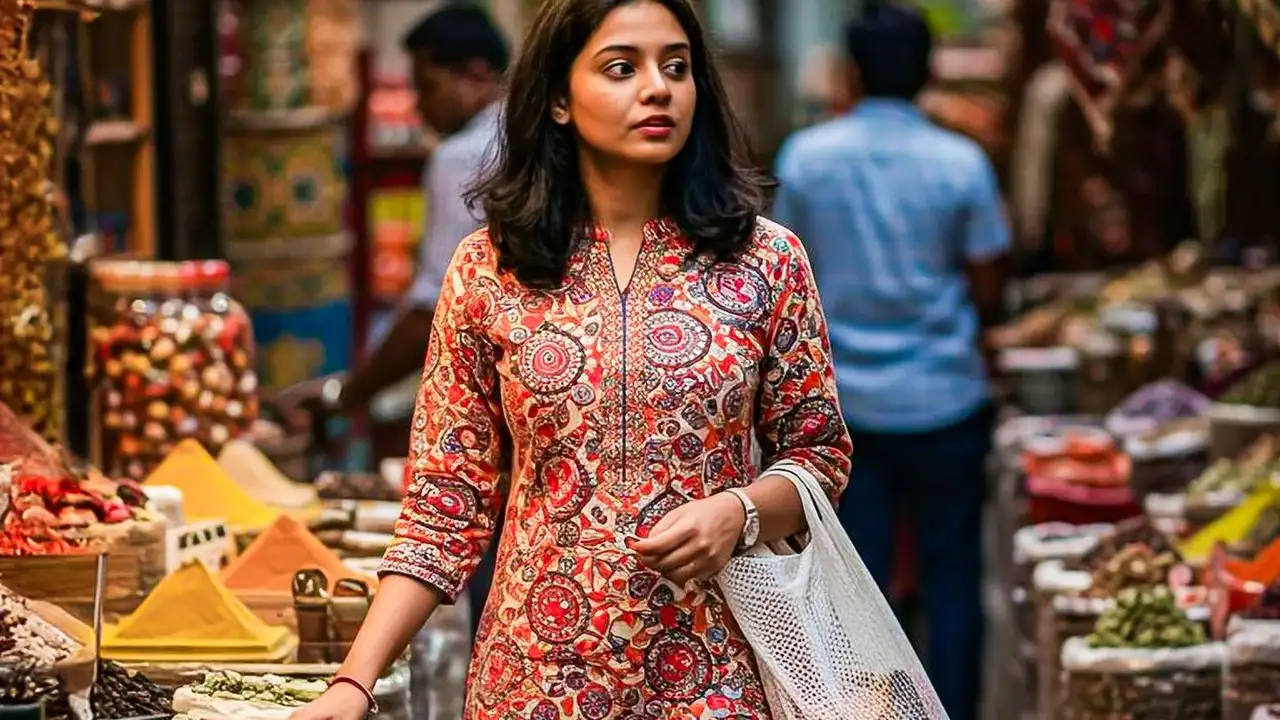
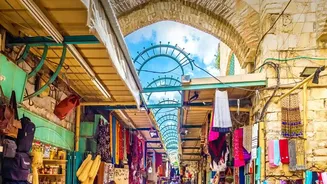
malls became urban temples of consumerism, and e-commerce promised convenience to our doorsteps, the bazaar was the heart of commerce and community. It remains a full-bodied sensory experience: the chorus of vendors announcing their prices, the scent of fresh produce and street food, and the visual feast of colourful textiles and handcrafted goods. This environment stands in stark contrast to the sterile, predictable nature of modern retail. Shopping here is an event, not just a transaction. It's a place of discovery, where you might stumble upon unique, handmade items not available in chain stores, connecting you to local culture and craftsmanship. For many, this vibrant atmosphere is a powerful antidote to the impersonal nature of online carts and air-conditioned aisles.
The Art and Emotional Reward of Bargaining
Bargaining is a tradition woven into the fabric of Indian market culture. While outsiders might see it as a contest over a few rupees, insiders understand it as a complex social ritual. It's less about the inability to afford the sticker price and more about the emotional satisfaction of securing a 'good deal'. The negotiation is a form of engagement, a lively conversation that tests your wit and skill. Achieving a small discount brings a sense of accomplishment and the feeling of being a savvy shopper. This psychological reward—the thrill of the 'win'—is a powerful driver that fixed-price environments simply cannot replicate. It transforms a simple purchase into a memorable, interactive experience where the customer feels actively involved in the decision.
More Than a Transaction, a Relationship
In a local bazaar, you don't just buy from a vendor; you build a relationship with 'your' vegetable guy, 'your' spice aunty, or 'your' trusted tailor. This personal rapport is a cornerstone of the bazaar's appeal. Over time, these interactions foster a deep sense of trust and loyalty. A familiar vendor knows your preferences, might recommend the freshest arrivals, and will often extend small courtesies, like setting aside your favourite items or offering informal credit. This human connection makes customers feel valued and understood, transforming them from anonymous consumers into members of a community. This level of personalised service, built on genuine human interaction, is something that even the most sophisticated retail AI struggles to emulate.
A Conscious Choice for Authenticity and Support
The preference for local bazaars is also an increasingly conscious one. A recent survey revealed that over half of Indian consumers prefer to buy from homegrown and small businesses, valuing authenticity and eco friendly practices over celebrity endorsements. Shopping at a local market directly supports small traders, artisans, and farmers, ensuring that money circulates within the local economy. In an era of globalised supply chains, the bazaar offers a tangible connection to the source of your goods—be it fresh produce from a nearby village or handicrafts made by a local artisan. This aligns with a growing desire among consumers to feel connected to their community and make purchasing decisions that have a positive social and economic impact.
The Future of the Bazaar in a Digital India
While the digital economy in India is booming, with e commerce projected to grow significantly, this doesn t spell the end for traditional markets. In fact, many small vendors are adapting, using platforms like WhatsApp to share catalogues and take orders, blending traditional rapport with modern convenience. Initiatives like the Open Network for Digital Commerce (ONDC) are further empowering small merchants by giving them a digital presence without the high commissions of major platforms. The local bazaar is proving resilient, not as a relic of the past, but as a dynamic and evolving space. It continues to offer what modern retail often lacks: a sense of community, a rewarding human experience, and the thrill of a good bargain.