


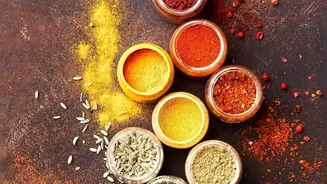
The Earthy Soul of the Spice Box: Cumin
Known to most as 'jeera', cumin is one of the most versatile and widely used spices in the world. Its flavour is complex—warm, nutty, and slightly pungent with a hint of citrus. While it can be used ground, the magic often begins with whole seeds. When
toasted in hot oil or ghee, a process known as 'tadka' or tempering, cumin seeds release their aromatic essential oils, creating an fragrant foundation that enriches any dish they grace. This initial step doesn't just add flavour; it transforms the seeds from slightly bitter to deeply savoury and aromatic. Cumin is a cornerstone of spice blends like garam masala and is indispensable in everything from dal and vegetable stir-fries to rich meat curries and fragrant rice dishes like jeera rice.
The Tangy Counterpart: Tamarind
Tamarind, or 'imli', provides the quintessential sweet-and-sour punch that defines many beloved Indian snacks and meals. This tropical fruit grows in pods, and its sticky pulp is the source of its culinary power. Available as a concentrated paste, a solid block, or fresh pods, tamarind's flavour is intensely tart with sweet, fruity undertones, often described as a mix between a date and a lime. Its primary role in cooking is as a souring agent, offering a more complex and fruitier acidity than lemon juice or vinegar. This makes it a crucial ingredient in South Indian staples like sambar and rasam, as well as the base for countless sauces, marinades, and, most famously, chutneys.
A Perfect Culinary Partnership
The reason cumin and tamarind are so often paired is a classic case of flavour balancing. The deep, earthy, and slightly smoky notes of toasted cumin provide a perfect counterpoint to the bright, sharp acidity of tamarind. Think of the iconic sweet tamarind chutney served with samosas and chaat. The tang from the imli is what first hits your palate, but it is immediately grounded and deepened by the warm, aromatic presence of roasted cumin powder. Without cumin, the tamarind's sourness could be overwhelming. Without tamarind, the cumin could make the dish feel heavy. Together, they create a well-rounded, dynamic flavour profile that is simultaneously refreshing and deeply savoury.
Health in Every Spoonful
Beyond their flavours, both cumin and tamarind have been valued in traditional medicine for centuries. Cumin is widely regarded as a digestive aid, known to stimulate digestive enzymes and potentially ease issues like bloating. It's also a surprisingly rich source of iron. Tamarind is packed with antioxidants, vitamins, and minerals. Its natural compounds, including polyphenols, are believed to have anti-inflammatory properties. While a dollop of chutney won't replace a balanced diet, it's a pleasant reminder that traditional food combinations are often rooted in holistic well-being.
Mastering the Tamarind-Cumin Chutney
Creating the perfect 'khatti meethi' (sweet and sour) chutney is all about balance. The process usually starts by extracting pulp from tamarind by soaking it in hot water. This tangy liquid is then simmered with a sweetener, typically jaggery or sugar, which mellows its sharpness. Next come the spices. Roasted and ground cumin is essential for that signature earthy aroma. A typical recipe will combine tamarind pulp, a sweetener, and spices like ground cumin, ginger powder, and a pinch of red chilli powder for heat. The mixture is simmered until it thickens to a sauce-like consistency. The key is to taste as you go. If it's too sour, add more sweetener. If the flavour feels flat, a little more toasted cumin or a pinch of black salt can elevate it instantly.
Beyond the Chutney Bowl
While chutney is their most famous collaboration, cumin and tamarind work their magic in many other dishes. In South Indian rasam, a tempering of cumin seeds is often added to the tangy tamarind water base for a warming, peppery soup. Many chickpea curries (chana masala) use both amchur (dried mango powder) and a touch of tamarind for sourness, with cumin forming the base of the spice mix. The duo also appears in marinades for grilled meats and vegetables, where the acidity of the tamarind helps tenderise the food while the cumin provides a savoury, aromatic crust. This combination proves that understanding the core principles of flavour pairing can unlock creativity across your entire menu.