

The Rise of the Single Vessel
There’s a quiet revolution happening in Indian kitchens, and it’s being led by a single pot. One-pot cooking, a method where all ingredients are cooked together in one vessel, is surging in popularity, especially during the rainy season. The appeal is simple:
it promises a delicious, hot meal with minimal fuss and, most importantly, minimal washing up. For busy households, it’s a practical solution that saves time and energy. But its rise is about more than just convenience. As the monsoon brings a desire for warmth and comfort, these meals deliver a sense of nourishment and satisfaction that feels tailor-made for a dreary day. The method allows flavours to meld together deeply, creating a rich and layered taste that is often hard to achieve with more complex cooking processes.
More Than Just Khichdi
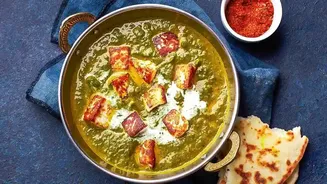
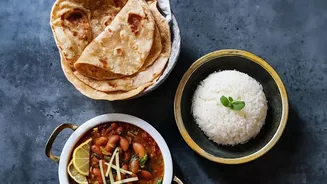
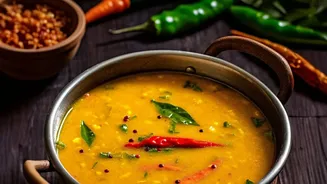
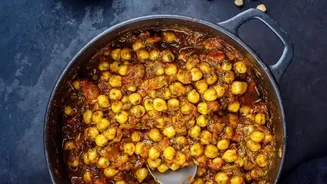
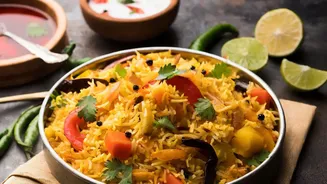
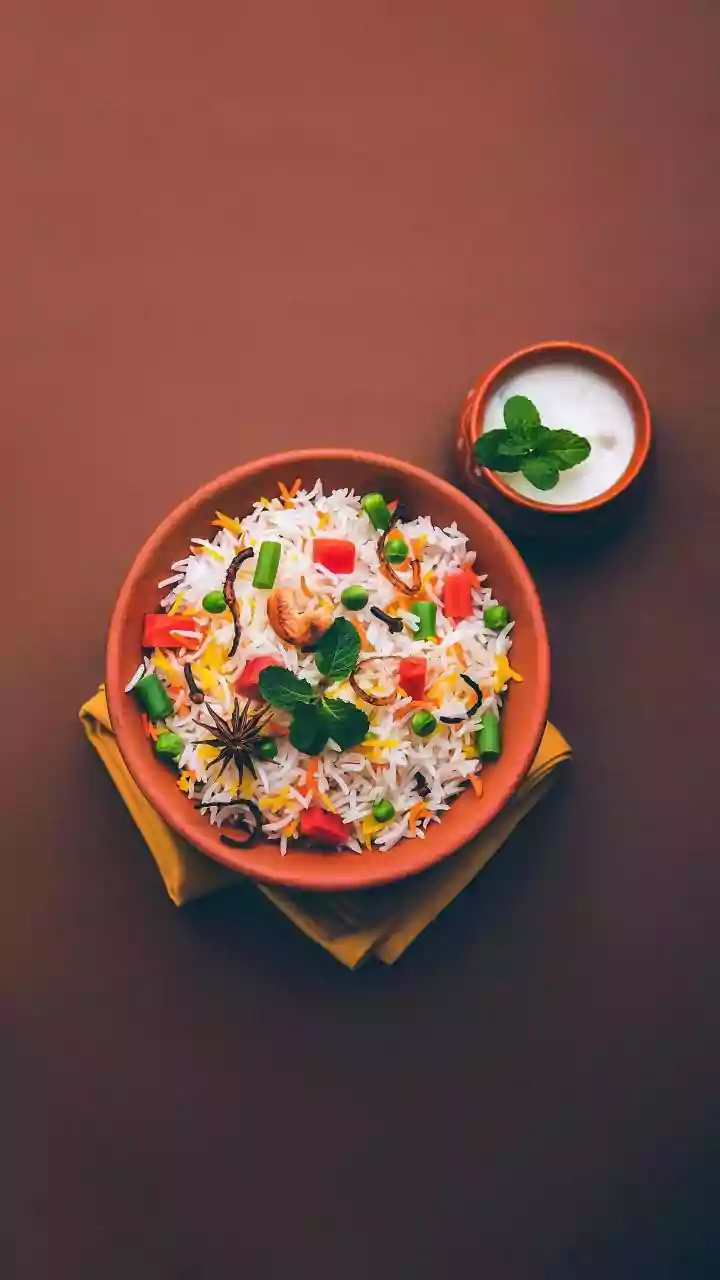
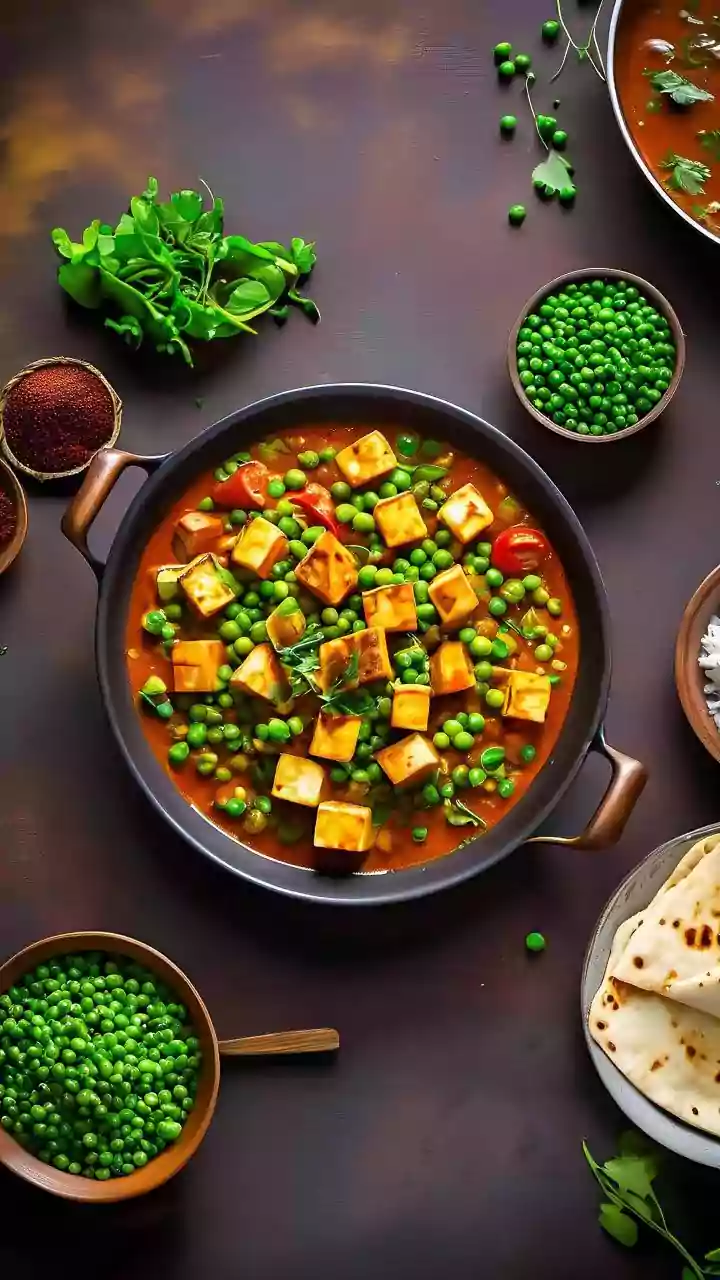
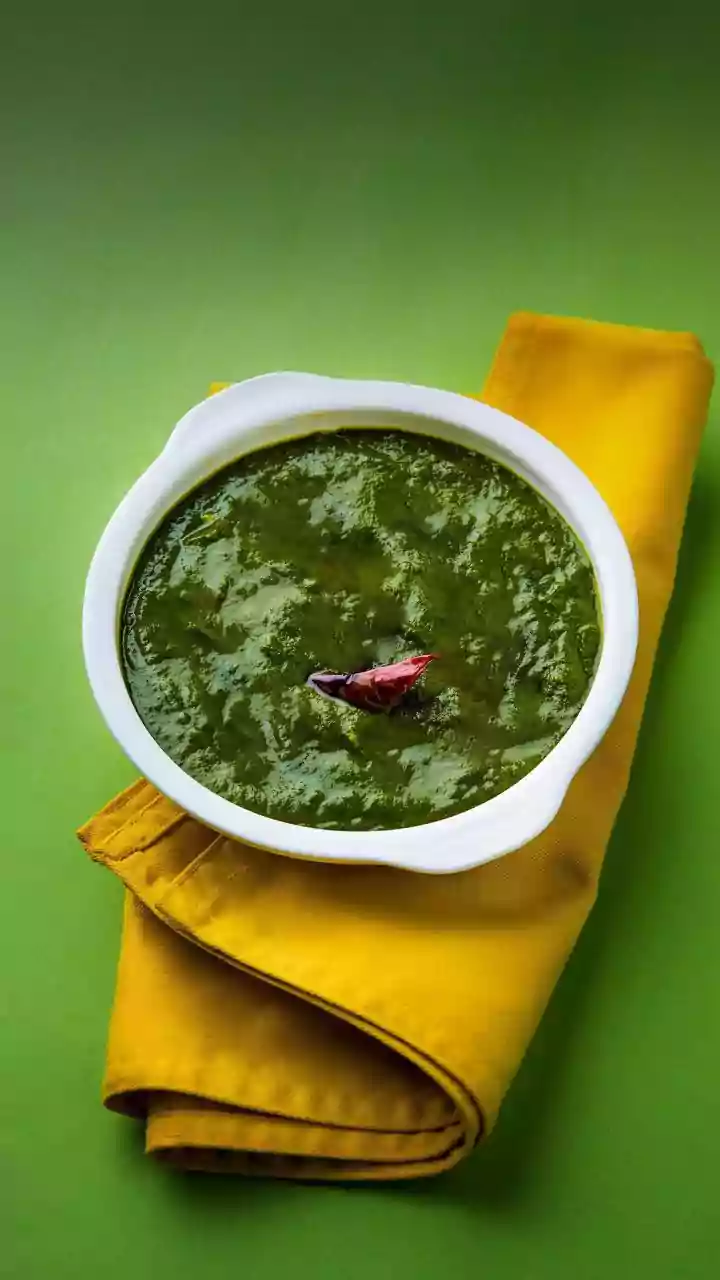
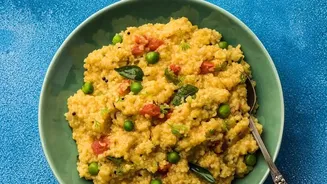
When you hear “one-pot Indian meal,” the first dish that comes to mind is likely Khichdi. And for good reason—this combination of rice and lentils is the ultimate comfort food, renowned in Ayurveda for being easy to digest and deeply nourishing, especially when the weather slows down our systems. But the world of one-pot Indian cooking is far richer and more diverse. Think of fragrant vegetable pulao, where rice is cooked with an assortment of vegetables and spices, or the South Indian classic, Bisi Bele Bath, a spicy, tangy mix of rice, lentils, and vegetables. Other popular choices include Tehri, Rajma Masala, and even simplified versions of Biryani, where everything is layered and cooked together to perfection in a single heavy-bottomed pot or pressure cooker. This versatility ensures there's a one-pot meal for every palate.
The Practical Magic of One-Pot Meals
The benefits of cooking everything in one pot extend far beyond the kitchen sink. This method is incredibly efficient, saving on both cooking gas and time. By cooking all the ingredients together, you also ensure that flavours and nutrients are locked in, rather than being lost in discarded cooking water. This leads to meals that are not only more flavourful but also more wholesome. The process is straightforward, making it accessible even for novice cooks. It involves simple steps of tempering spices, sautéing ingredients, and then adding your grains and liquids before letting it all simmer. This simplicity reduces kitchen stress, transforming cooking from a chore into a more enjoyable, relaxing activity—a perfect match for a slow, rainy afternoon.
A Modern Trend with Ancient Roots
While one-pot cooking might seem like a modern trend driven by convenience, it is deeply rooted in Indian culinary tradition. For generations, dishes like Khichdi have been a staple, considered a balancing and healing meal. Many regional specialities are inherently one-pot dishes, created out of a need for simplicity and resourcefulness. What we are seeing now is a rediscovery and re-appreciation of this age-old wisdom. Home cooks and chefs are adapting traditional recipes for modern lifestyles, using tools like the Instant Pot to make the process even more hands-off. This connection to tradition adds another layer of comfort, turning a simple meal into an act of nostalgia and cultural continuity. It’s a reminder that sometimes the simplest methods hold the most profound value.