
The New Gateway to the Galaxy
For generations, an interest in astronomy often required expensive telescopes, complex star charts, and a healthy dose of patience. Today, the barrier to entry is virtually gone. A generation of young people is discovering the wonders of the universe
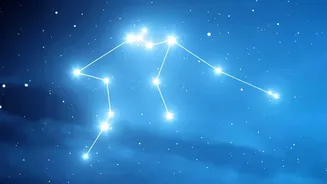
with tools they already have in their pockets. By using a phone's GPS and internal compass, these apps can create a real-time map of the sky from your exact location. The most captivating feature for many is augmented reality (AR), which overlays constellation lines, star names, and planetary data directly onto your camera's view of the night sky. This turns a confusing canopy of stars into an interactive and instantly identifiable map, making astronomy more accessible than ever.
More Than Just Pointing and Naming
The appeal of these apps goes beyond simply identifying celestial objects. They serve as rich educational tools, packed with information on the mythology behind constellations, the scientific data of planets, and the history of space exploration. Many apps also include calendars for upcoming celestial events, sending notifications for meteor showers, eclipses, or visible satellite passes like the International Space Station (ISS). This transforms stargazing from a passive activity into an engaging, event-driven hobby. It fosters a connection to the world beyond our screens and can become a social activity, shared among friends and family during camping trips or just in the backyard.
Top Apps to Start Your Journey
Ready to explore the night sky? The number of available apps can be overwhelming, but a few stand out for their ease of use, beautiful design, and comprehensive features. Whether you're a complete beginner or a seasoned amateur, there's an app that will fit your needs. Many offer excellent free versions, making it easy to start your cosmic journey tonight without any cost. Here are some of the best and most popular options available for both iOS and Android devices.
For the Beginner: SkyView Lite
SkyView is often recommended as the perfect entry point into stargazing. Its core strength is its simplicity and intuitive AR interface. You just point your phone at the sky, and the app immediately identifies stars, constellations, and satellites. It includes a 'Time Travel' feature that lets you see the sky on different dates and times, and you can set reminders for upcoming celestial events. Crucially, it works without a WiFi or data signal, making it the perfect companion for camping and other off-grid adventures.
For the Enthusiast: Stellarium Mobile
Stellarium is a powerful planetarium that started on desktop computers and now fits in your pocket. It's known for its realistic sky simulations and massive database of stars, planets, comets, satellites, and deep-sky objects like nebulae and galaxies. While still user-friendly for beginners, its depth appeals to more serious hobbyists. You can simulate the view from different locations and times, and the app features constellation art from numerous cultures around the world. Its 'night mode' uses a red filter to help preserve your night vision while observing.
For the Aesthete: Star Walk 2
If a beautiful user interface and polished graphics are important to you, Star Walk 2 delivers. It combines a real-time sky map with stunning 3D models of celestial bodies and constellations. Like other top apps, it uses AR and features a 'Time Machine' to see the sky in the past or future. A 'What's New' feed keeps you updated with the latest astronomy news. The app is a great all-rounder that balances deep information with a visually engaging experience, making it a favorite for both new and experienced users.
For the Space Explorer: The Official NASA App
While not a dedicated stargazing map in the same way as the others, the official NASA app is an essential download for anyone inspired by the cosmos. It's a portal to the latest space missions, news, and a staggering library of over 19,000 images and videos from across the universe. You can get notifications for celestial events, learn about NASA's ongoing projects, and explore stunning images from the Hubble Space Telescope. It provides the bigger picture, connecting the stars you see at night to humanity's ongoing quest to explore them.