






Understanding the Teej Festival
Teej is a vibrant monsoon festival primarily celebrated by women in Northern India, with the grandest festivities taking place in Jaipur. It commemorates the reunion of Goddess Parvati with Lord Shiva and is a celebration of marital bliss and love. For
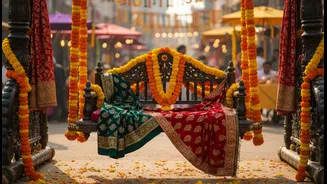
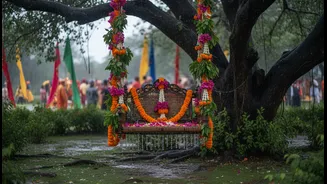
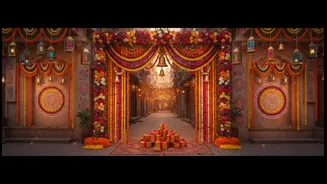
2026, the main Hariyali Teej festival will be celebrated on Saturday, August 15. Women dress in their finest traditional attire—often in shades of green, red, and yellow—apply intricate henna designs, and gather to sing folk songs while swinging on beautifully decorated 'jhoolas' or swings. The day before, known as Sinjara, involves married daughters receiving gifts of sweets, bangles, and sarees from their parents, making it an emotionally significant tradition.
The Unmissable Royal Procession
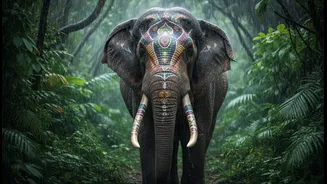
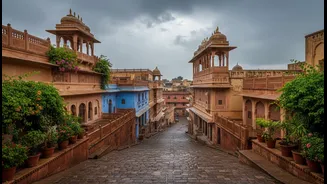
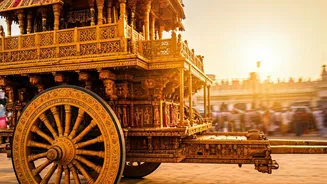
The highlight of Jaipur's Teej celebration is the magnificent two-day royal procession, or 'Teej Mata ki Sawari'. Originating from the City Palace, a beautifully adorned idol of Teej Mata (Goddess Parvati) is carried in a golden palanquin through the old city's streets. This grand spectacle features decorated elephants, camels, folk dancers performing Ghoomar and Kalbeliya, and traditional brass bands. The procession winds its way through Tripolia Bazaar, Choti Chaupar, and Gangauri Bazaar, creating an electrifying atmosphere that draws thousands of locals and tourists who line the streets for a glimpse of the goddess. This royal pageantry is what makes Jaipur's Teej celebration a truly unique and unforgettable cultural experience.
The Inevitable Accommodation Crunch
This very popularity is why planning is crucial. The Teej festival, combined with the pleasant monsoon weather, marks a significant spike in tourist arrivals. Consequently, hotels in Jaipur, especially those in and around the Old City, get booked out months in advance. If you want to secure a room with a good view of the procession or simply stay in a prime location like a heritage haveli, you must act early. Travel experts recommend booking your accommodation at least three to four months before your travel dates. Leaving it to the last minute will not only leave you with limited, and often less desirable, options but also significantly higher prices. For the best experience, look for hotels near the procession route or those with easy access to areas like Tripolia Bazaar and the City Palace.
Beyond the Procession: Markets and Flavours
The Teej mood extends far beyond the main parade. The city's bazaars, particularly Johari Bazaar and Bapu Bazaar, come alive with festive energy. These markets are filled with shoppers hunting for colourful 'lehariya' sarees, lac bangles, and other traditional items. The festival is also a treat for food lovers. No Teej celebration is complete without Ghewar, a disc-shaped sweet made of flour, soaked in sugar syrup, and often topped with cream or nuts. Sweet shops across the city, such as Lakshmi Mishthan Bhandar and Rawat Mishthan Bhandar, do a roaring trade in this seasonal delicacy. Other festive foods to try include Dal Baati Churma and Malpua.
Essential Tips for Your Teej Trip
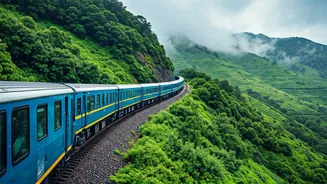
To make the most of your visit, keep a few things in mind. Book your flights and trains to Jaipur well in advance, as transport gets just as crowded as hotels. When watching the procession, arrive early to find a good vantage point; the authorities often provide special seating for tourists near Tripolia Gate. Dress in light, breathable fabrics suitable for the monsoon humidity, and consider wearing traditional attire to fully immerse yourself in the festive spirit. Stay hydrated and be prepared for large crowds, especially along the procession route. Most importantly, embrace the vibrant, joyous atmosphere that makes Teej in Jaipur a truly magical experience.