

As the Pink City prepares to celebrate its 300th anniversary in 2027, a major international honour has arrived right on time. National Geographic has named Jaipur to its prestigious 'Best of the World 2027' list, a fitting tribute to its enduring legacy.
A Well-Deserved Global Spotlight
In late October 2026, National Geographic unveiled its annual list of the 25 must-visit global destinations, with Jaipur earning a coveted spot. The recognition is not a ranking but an editorial selection of places offering unique cultural experiences. The publication highlighted Jaipur’s upcoming 300-year milestone, its magnificent royal architecture, and its vibrant living craft traditions as key reasons for its inclusion. The timing also coincides with the 20th edition of the world-renowned Jaipur Literature Festival, scheduled for January 2027, further cementing the city's status as a global cultural hub. This accolade places Jaipur among esteemed company and shines a light on what makes the city a timeless attraction.
A City Born of Vision and Science
Jaipur's story begins on November 18, 1727, with the visionary Maharaja Sawai Jai Singh II. Facing population growth and water scarcity in his hilltop capital of Amber, he decided to build a new city from the ground up. A keen scholar of mathematics and astronomy, Jai Singh II collaborated with the Bengali architect Vidyadhar Bhattacharya to design a city based on ancient principles of Vastu Shastra and a modern grid-iron plan. The city was divided into nine blocks on a grid of wide, straight avenues—two for the state buildings and palaces, and seven for the public. This meticulous planning, a marvel for its time, resulted in India's first planned city and laid the foundation for the organised, beautiful metropolis that exists today.
From Royal Welcome to 'Pink City'
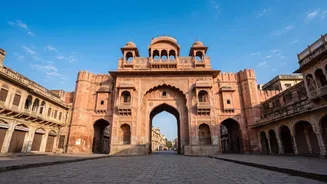
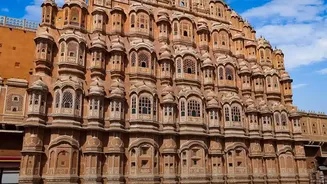
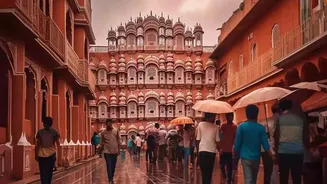
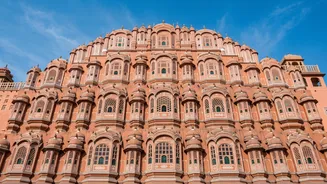
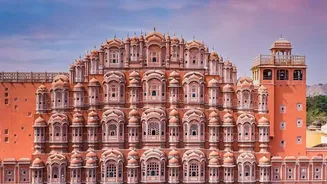
While founded in the 18th century, Jaipur earned its famous 'Pink City' moniker much later. In 1876, Maharaja Sawai Ram Singh II ordered the city's buildings to be painted a terracotta pink to welcome the Prince of Wales, Prince Albert Edward. The colour, a symbol of hospitality, has since become the city’s enduring identity. This uniform hue across the Walled City's facades, combined with its exceptional urban design and blend of Rajput, Mughal, and European architectural influences, led to its designation as a UNESCO World Heritage City in 2019. This recognition isn't just for its monuments but for its status as a living heritage centre where commercial and artisanal traditions continue to thrive.
Where Heritage and Modernity Meet
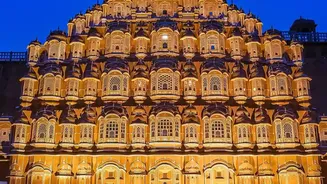
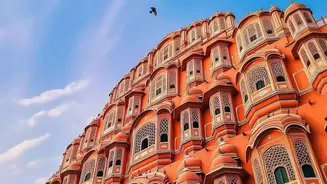
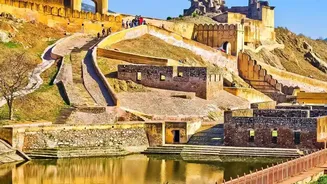
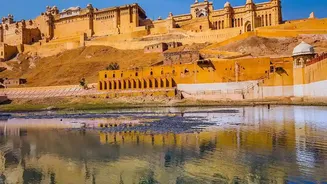
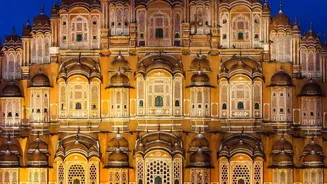
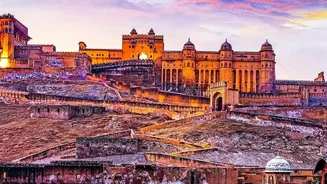
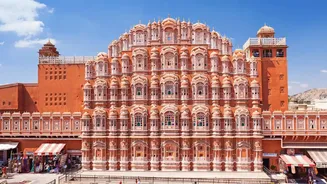
Today’s Jaipur is a captivating blend of old and new. The grandeur of Amer Fort, the honeycomb façade of Hawa Mahal, the astronomical wonders of Jantar Mantar, and the regal City Palace coexist with a bustling, modern metropolis. The city's bazaars, like Johari Bazaar and Bapu Bazaar, remain crammed with traditional handicrafts, from Kundan jewellery and blue pottery to hand-blocked textiles. These living traditions are a major draw, offering visitors an authentic connection to the city's artistic soul. At the same time, Jaipur has evolved into a smart city with luxury hotels, an international airport, and modern infrastructure, making it both a royal and a convenient destination.
Celebrating 300 Years of Glory
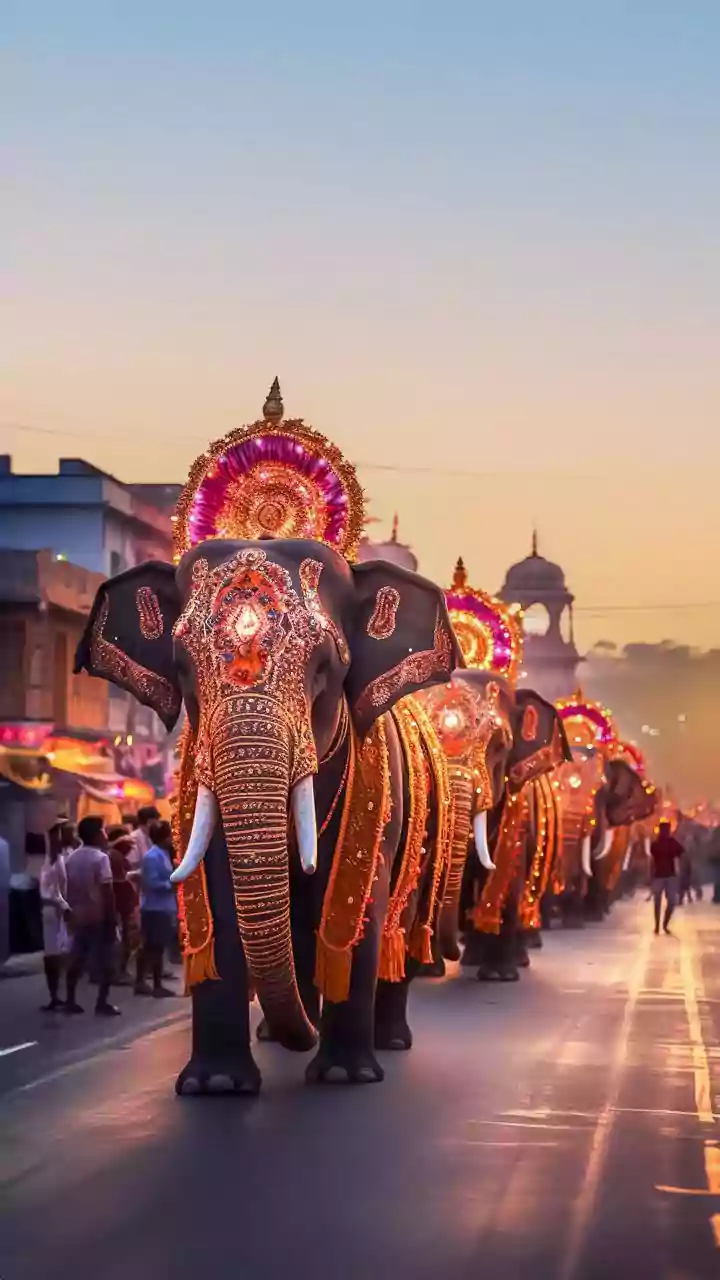
As 2027 approaches, preparations are underway to mark Jaipur's tricentenary. The Rajasthan government and local trade associations have planned yearlong celebrations starting in late 2026. These include cultural events, market beautification projects, and heritage conservation efforts under the campaign 'Gulabi Nagari Jaipur 300 Years — Our Pride, Our Heritage'. An international music festival, BRICS Melody, is set to kick off the yearlong programme in November 2026. These festivities, coupled with the global recognition from National Geographic, are set to amplify local pride and showcase the city's rich history and dynamic future to the world.