



An Ever-Changing Celestial Show
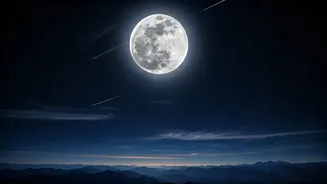
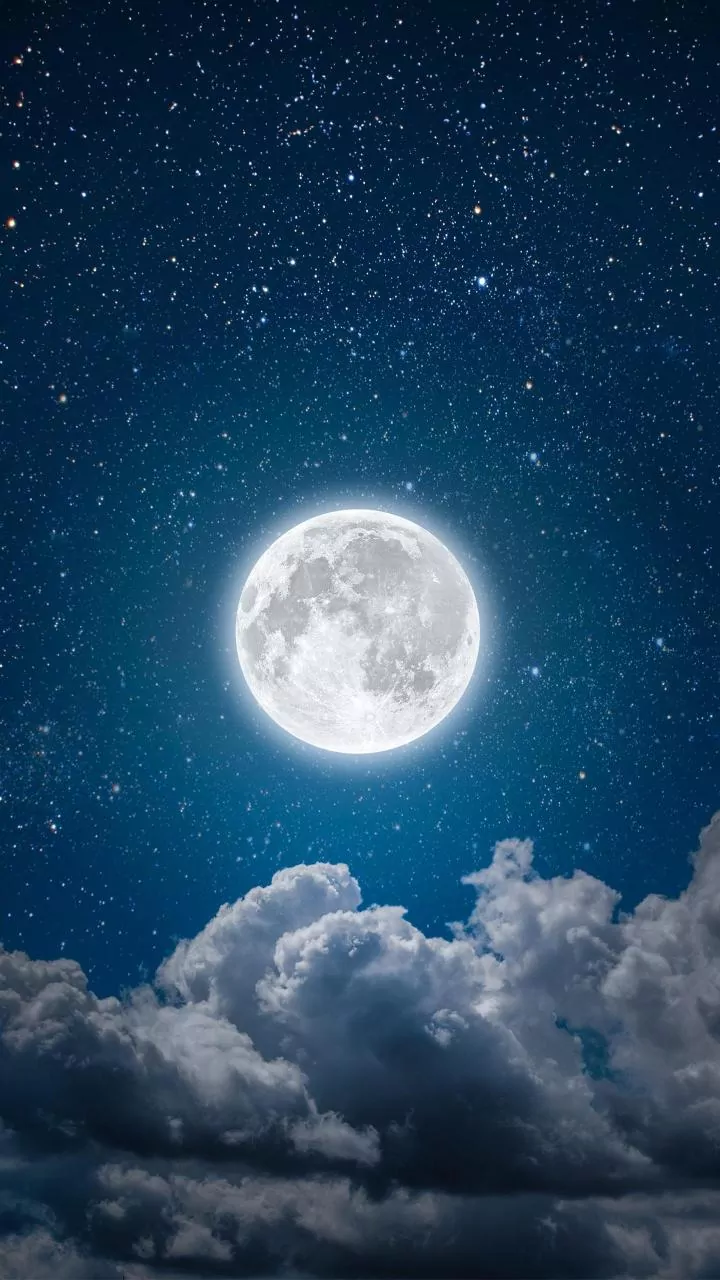
A clear, star-filled night offers a static kind of perfection. The moon sits like a bright coin on black velvet—beautiful, but unchanging. Now, introduce clouds. Suddenly, the sky is alive. Fast-moving wisps of cloud create a sense of motion, turning
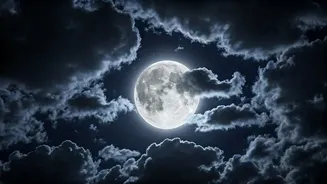
a still portrait into a dynamic film. The moon plays a game of hide-and-seek, its brightness swelling and receding. One moment, its light is completely obscured, building anticipation. The next, it bursts through a gap, creating dramatic beams that slice through the darkness. This constant flux transforms moonwatching from a passive activity into an engaging, live performance where you never know what the next moment will bring.
The Art of Imperfect Light
Photographers have long understood that clouds are a secret weapon for creating evocative images. A full moon in a clear sky is notoriously difficult to capture well; the intense brightness often results in a flat, overexposed white circle. Clouds act as a natural diffuser, softening the moon’s harsh glare and allowing its subtle textures to emerge. They add depth, scale, and a sense of place that a plain black background lacks. The moonlight catches the edges of the clouds, creating silvery outlines and giving the entire scene a three-dimensional quality. This interplay of light and shadow is what creates a truly 'moody' atmosphere—a sense of mystery and romance that a perfect sky can't replicate.
The Science of a Moody Glow
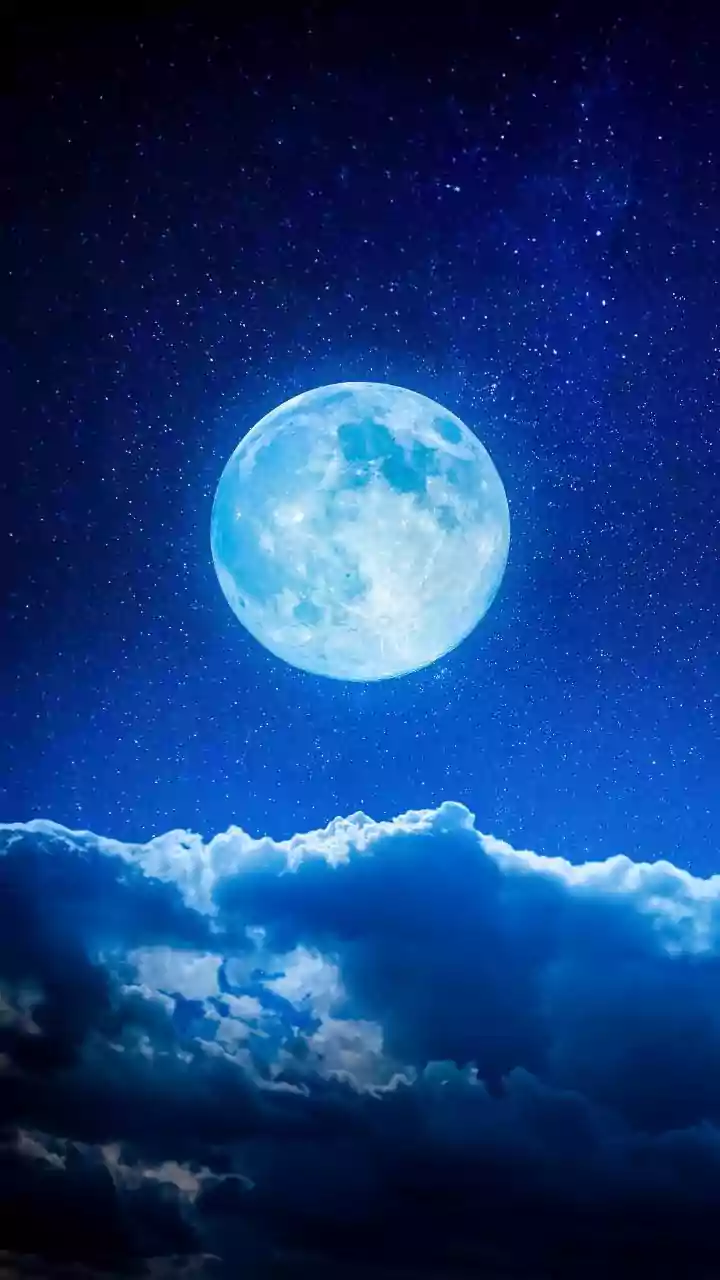
The moody beauty of a cloudy lunar sky isn't just poetic; it's also based in fascinating atmospheric science. When thin layers of cloud pass in front of the moon, the light can be diffracted by tiny water droplets or ice crystals. This process can create a stunning optical phenomenon known as a lunar corona—a bright, whitish-blue disk directly around the moon, often fringed with a soft, reddish glow. Sometimes, you might even see multiple, pastel-coloured rings. This is different from a lunar halo, which is a much larger, 22-degree ring formed by the refraction of light through higher-altitude ice crystals. These natural effects paint the sky with subtle colours and a soft-focus glow that feels ethereal and deeply calming.
Finding Beauty in the Obscured
In Japanese aesthetics, there is a concept called 'Yugen', which refers to a profound, subtle, and mysterious beauty. It hints at what isn't fully seen, celebrating the power of suggestion over explicit detail. Watching the moon through clouds is a perfect embodiment of this idea. The partially hidden moon sparks our imagination in a way a fully visible one does not. This perspective also aligns with 'Mono no aware', an appreciation for the transient, fleeting nature of things. The clouds are always moving, the view is always changing, and the moment is beautifully temporary. It's a powerful reminder that there is a unique and compelling beauty in imperfection. It encourages a kind of mindfulness, a quiet appreciation for the unpredictable artistry of nature.