


The Sattvik Principle of Purity
At the heart of this tradition is the Sattvik philosophy, which guides festive and fasting diets. Rooted in Ayurveda, a Sattvik diet emphasizes foods that are pure, natural, and minimally processed. The goal is to consume foods that provide calm energy
and mental clarity. Rock salt, mined directly from the earth and left in its large, crystalline form, perfectly fits this description. It is considered pure and unprocessed, making it the ideal choice for preparing 'vrat' or fasting meals that are meant to be light and clean.
A Tale of Two Salts: Processing Matters
The primary distinction between table salt and rock salt lies in how they are processed. Table salt is typically mined from underground deposits or harvested from seawater, after which it undergoes extensive industrial refining. This process strips away most minerals and involves heating at high temperatures. Often, additives like anti-caking agents are included to ensure it flows freely, and iodine is added to fortify it. In contrast, rock salt (known as 'halite' in its mineral form) is simply mined, crushed, and screened. It remains largely in its natural state, free from the chemical treatments and additives that define its processed counterpart.
More Than Just Sodium Chloride
While both salts are chemically sodium chloride (NaCl), their composition isn't identical. Because table salt is highly refined, it is almost 99% pure NaCl. Rock salt, being less processed, retains a spectrum of trace minerals from its source. These can include essential minerals like potassium, magnesium, calcium, and iron, which are crucial for various bodily functions. It is this mineral content that often gives rock salt, such as Himalayan pink salt, its characteristic colour and more nuanced flavour profile compared to the sharp taste of table salt.
The Health and Wellness Angle
During fasting periods, maintaining the body's electrolyte balance is crucial, especially when food and water intake are restricted. Proponents believe the trace minerals in rock salt, particularly potassium, help replenish the body and provide an energy boost. Some sources suggest that because it is low in sodium and high in potassium, it is a better option for managing blood pressure than regular table salt. Furthermore, Ayurvedic tradition values sendha namak for its cooling effect on the body and its ability to aid digestion by stimulating enzymes, which aligns with the goal of keeping the system light during a fast.
Beyond the Fast: Flavour and Tradition
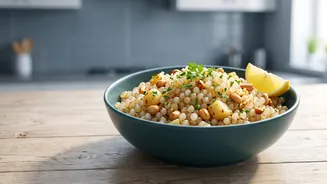
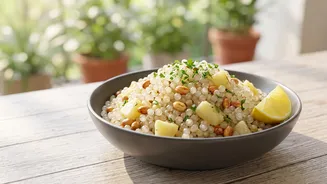
The preference for rock salt is not just a matter of health and purity; it is deeply woven into cultural and culinary traditions. Its use is a nod to ancient practices, long before industrial salt processing became the norm. Many chefs and home cooks also appreciate rock salt for its milder, less aggressive flavour, which enhances the natural taste of ingredients without overpowering them. Whether in a simple fruit chaat or a hearty sabudana khichdi, the coarse texture and subtle saltiness of sendha namak are considered essential to the authentic taste of festive cuisine.