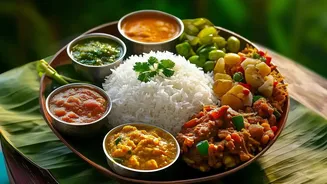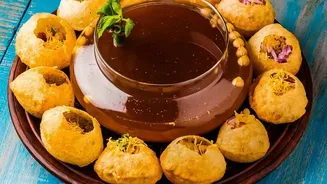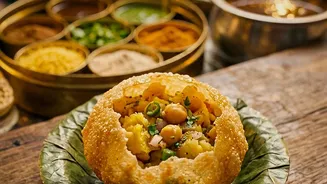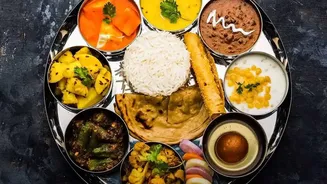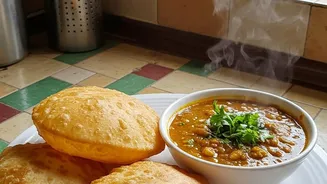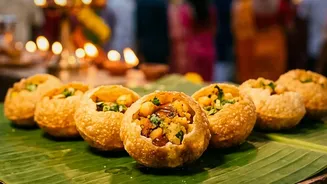

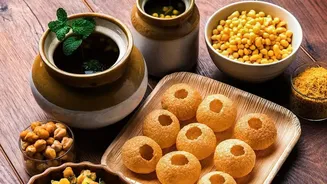
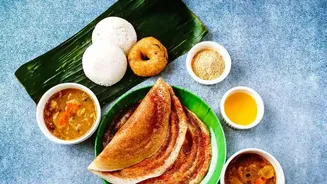
Beyond the butter chicken and biryani that dominate many menus lies a vast, unexplored universe of Indian food. A delicious revolution is underway, as food festivals emerge as powerful launchpads for hyper-local and regional cuisines.
From Village Kitchens to Urban Plates
For decades, the
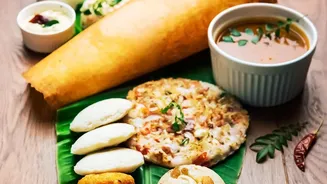
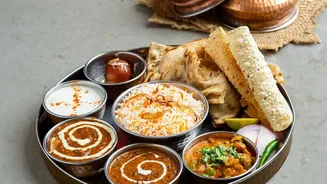
story of Indian food told outside of family homes was a simplified one. While delicious, the popular narrative often overlooked the subcontinent's staggering culinary diversity. India’s cuisine changes every few miles, shaped by climate, local produce, and centuries of tradition. Now, a new movement is championing this variety. Food festivals across the country are turning the spotlight on dishes and traditions once confined to specific regions or communities. These events act as vibrant, open-air classrooms and dining rooms, where food lovers can travel across India one bite at a time, from Nagaland's smoked pork to Kerala's elaborate Sadya feasts.
A Stage for Culinary Custodians
One of the most significant impacts of these festivals is the platform they provide for home cooks and small-scale food entrepreneurs. These are the people who are the true custodians of culinary heritage, holding onto family recipes passed down through generations. Festivals like the National Street Food Festival in New Delhi or the Goa Food and Cultural Festival give these cooks direct access to a curious and appreciative urban audience. This exposure not only provides a valuable source of income but also instills a sense of pride and recognition for their culinary skills, which have historically been overlooked by the formal hospitality industry.
The Ripple Effect on Mainstream Menus
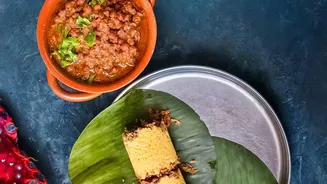
The influence of these festivals extends far beyond the event grounds. Chefs and restaurateurs increasingly visit these gatherings for inspiration, seeking out authentic, novel flavours to incorporate into their own menus. A dish that creates a buzz at a festival in one city might soon appear on a fine-dining menu in another. This process is crucial to how regional food becomes mainstream. For example, once-obscure delicacies like Manipuri black rice kheer or Goan Patoleo (a sweet steamed in turmeric leaves) are finding their way into contemporary restaurant offerings. This creates a virtuous cycle, where consumer demand grows, and more chefs are encouraged to explore and showcase India’s lesser-known culinary gems.
More Than a Meal: A Cultural Exchange
At their core, these festivals are about much more than just food; they are vibrant cultural exchanges. Each stall and every dish comes with a story of its origin, the community that created it, and the traditions it represents. Visitors don't just eat; they connect with the history and heritage behind the food. Events often feature live music, cultural performances, and storytelling sessions that provide a richer context. This celebration of shared heritage helps preserve not just recipes, but the intangible cultural fabric of India, fostering a deeper appreciation for the nation's diversity.