







The Foundation of a Good Pack
Before a single bag reaches the car, the packing process begins with a plan. A common mistake on group trips is overpacking, which leads to a chaotic and potentially unsafe vehicle. Encourage everyone in the group to pack light and coordinate on shared
items like coolers or portable speakers. Lay everything out before you start loading. This allows you to see the total volume and identify any opportunities to consolidate. It’s also the perfect time to remove non-essential items that may have been lingering in the car, freeing up precious space. Using soft-sided bags or duffels instead of rigid suitcases can be a game-changer. They are more malleable and can be squeezed into irregular gaps, maximizing every inch of trunk space far more effectively.
Mastering Weight Distribution
How you distribute weight in your trunk is about much more than just fitting everything in; it directly impacts your vehicle's safety and performance. A poorly balanced load can shift the car's center of gravity, affecting its stability, steering, and braking. The golden rule is to place the heaviest items at the bottom and as close to the center of the vehicle as possible. This typically means large, hard-sided suitcases or heavy equipment should go in first, pushed up against the back of the rear seats. This practice helps maintain the car's natural balance, prevents the rear from sagging, and ensures the tires maintain even contact with the road. An uneven load can lead to unpredictable handling in turns, increased braking distances, and premature wear on your tires and suspension.
A Game of Trunk Tetris
With your heavy items forming a solid base, the next step is to strategically fill the remaining space while keeping everything below the rear window line. Place medium-sized bags on top of the heavier base layer. The gaps and crevices created can then be filled with smaller, softer items like jackets, pillows, or shoes. This not only secures the larger items and prevents them from shifting during transit but also makes efficient use of every available pocket of space. As you build up, continuously check your rearview mirror to ensure your visibility remains clear. A well-packed trunk should be a stable, interlocked puzzle with nothing loose that could fly forward in the event of a sudden stop.
The Unseen Dangers of an Obstructed View
Driving with a pile of luggage blocking your rear window is not just an inconvenience—it's a significant safety hazard. An obstructed rearview mirror creates massive blind spots, preventing you from seeing vehicles, cyclists, or pedestrians behind you. This dramatically increases the risk of collisions during lane changes or when braking. In many places, it is also a traffic violation that can result in a fine. Even a seemingly small item can become a dangerous projectile inside the cabin during a sudden stop or collision. Beyond the legal and safety risks, it adds unnecessary stress to the driver, who must rely solely on side mirrors and cannot maintain full situational awareness. The goal of a road trip is enjoyment, and that starts with ensuring the driver can operate the vehicle safely and with confidence.
Essentials Within Arm's Reach
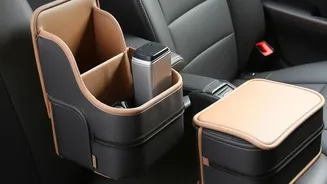
While the bulk of your luggage should be securely stored in the trunk, certain items need to be accessible during the journey. Designate a separate, smaller bag for in-cabin essentials like snacks, water bottles, charging cables, a first-aid kit, and any necessary medications. This "go-bag" can be kept in the front passenger footwell or on the back seat where it's easy to reach. This prevents the need to pull over and rummage through the carefully packed trunk every time someone needs a tissue or a phone charger. Keeping the driver's area and dashboard clear of clutter is also crucial for minimizing distractions and maintaining an unobstructed view through the windshield.