

A Tipping Point for Petrol
For the first time in India's history, vehicles powered by alternative fuels have collectively outsold petrol cars. Data from August 2026 shows that CNG, EV, and hybrid vehicles together accounted for nearly 42% of all passenger vehicle sales, narrowly
surpassing petrol's 41% share. This marks a significant milestone. Just a year prior, petrol cars maintained a comfortable lead. This rapid change isn't a temporary blip; it signals a structural transformation in what Indian consumers want from their cars, moving decisively towards options that offer lower running costs and a nod to a cleaner future.
CNG: The People's Choice for Frugality
Compressed Natural Gas is the primary force behind this market shake-up. Accounting for over 25% of all passenger vehicle sales in August 2026, CNG has cemented its position as the leading alternative fuel. The reason for its immense popularity is simple: economics. With petrol prices remaining a concern for many households, the significantly lower running cost of a CNG car presents a compelling argument. This growth is spearheaded by Maruti Suzuki, which commands an astounding 70% of the CNG market. Carmakers like Tata Motors and Hyundai are also aggressively expanding their CNG portfolios, with models like the Tata Punch seeing a massive surge in demand. The expanding network of CNG filling stations, now covering over 600 cities, has further boosted buyer confidence, making it a practical daily-driver for a growing number of Indians.
The Electric Surge Gathers Momentum
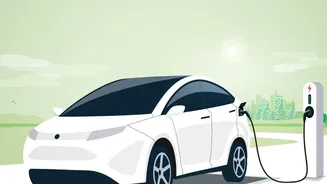
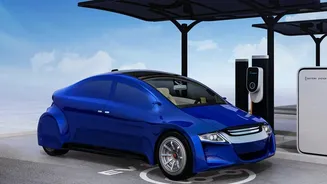
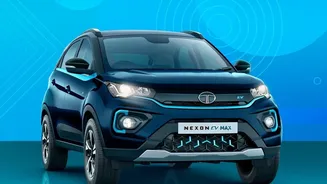
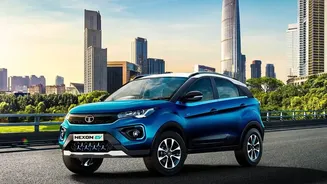
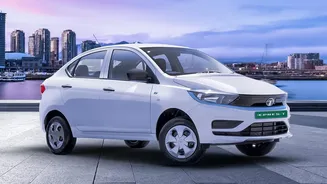
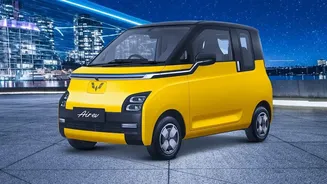
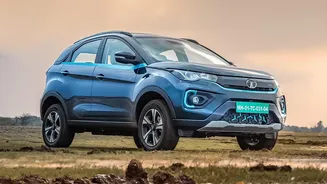
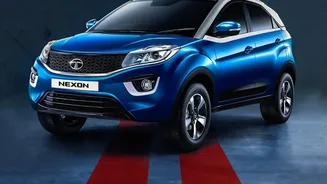
While CNG wins on immediate cost savings, Electric Vehicles are capturing the imagination of the modern Indian buyer. EV sales have seen remarkable growth, with their market share climbing to over 7% of total car sales in recent months, up from under 5% just a year ago. This growth is fueled by a combination of factors including improving charging infrastructure, a wider range of available models, and increasing consumer acceptance. Tata Motors continues to dominate this space, holding a significant chunk of the market with popular models like the Nexon EV and Punch EV. However, competition is intensifying, with Mahindra, JSW MG Motor, and even new entrants like Maruti Suzuki beginning to make their presence felt. For many, the appeal of EVs extends beyond fuel savings to include superior performance, advanced technology, and a quieter, more refined driving experience.
The Slow Fade of Diesel
The rise of CNG and EVs has come at the expense of traditional fuels, particularly diesel. Once the go-to choice for high-mileage drivers, diesel's market share has been steadily declining, now standing at around 17-18%. The implementation of stricter emission standards, like BS6 Phase 2, has made diesel engines significantly more expensive to produce. This cost increase, which is passed on to the consumer, has eroded diesel's price advantage, especially in smaller cars. As a result, many manufacturers have discontinued diesel options altogether for their sedans and hatchbacks, reserving them mostly for larger, more expensive SUVs.
Automakers Place Their Bets
India's leading automakers are responding to this shift with distinct strategies. Maruti Suzuki has doubled down on its strengths, focusing on an expansive CNG lineup and introducing hybrid technology as a bridge to full electrification. This approach caters directly to the cost-conscious mass market. In contrast, Tata Motors has taken a commanding lead in the EV segment, establishing a strong first-mover advantage. Other players like Hyundai and Mahindra are adopting a more balanced approach, offering a mix of petrol, CNG, and electric models to cover all bases. This strategic divergence shows that the Indian auto industry is no longer a monolithic market, but a complex arena where companies are betting on different visions of the future.