



A Recap of August's Celestial Spectacles
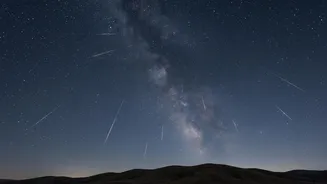
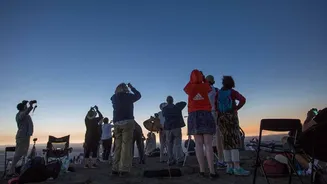
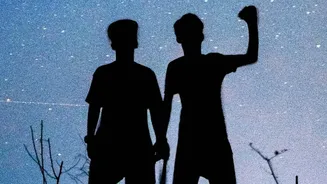
This month was a busy one on the astronomical calendar. The highlight for many was the Perseid meteor shower, which reached its peak on the nights of August 12 and 13. This year's peak was particularly special because it coincided with a new moon, creating
perfectly dark skies for optimal viewing. On the same day, a rare total solar eclipse traced a path across parts of Europe and the Arctic. While this stunning event was not visible from India, as it occurred during the night here, NASA provided live streams for everyone to enjoy the spectacle from home. The day also began with a pre-dawn alignment of six planets. Although these peak moments have passed, the show is not entirely over for observers in India.
Catching the Final Perseid Meteors
If you missed the peak of the Perseid meteor shower, don't despair. While the highest concentration of meteors has passed, the shower remains active until around August 24. This means you still have a chance to spot a few ‘shooting stars’ in the final week of August. The number of meteors will be significantly lower than the peak rate of over 50 per hour, but patient observers can still be rewarded. For the best chance of success, find a location away from city lights, allow your eyes about 30 minutes to adjust to the darkness, and look towards the northeastern sky. The best viewing time is typically after midnight and into the pre-dawn hours. No special equipment is needed; the best tool is simply your eyes.
Navigating the Monsoon Challenge
The biggest obstacle for most Indian stargazers in August is the monsoon. Heavy cloud cover can obscure the sky for much of the country, making celestial viewing a game of chance. However, there are ways to work around it. Always check your local weather forecast for breaks in the clouds. Sometimes, the air is at its clearest just after a spell of rain has washed away dust and pollutants. For more reliable clear skies, consider travelling to regions that are less affected by the monsoon. High-altitude desert areas like Ladakh and Spiti Valley often sit above the thickest clouds, offering pristine viewing conditions. Similarly, the rain-shadow regions of the Thar Desert in Rajasthan and the Rann of Kutch in Gujarat can also provide clearer horizons during this season.
The Late-August Lunar Eclipse
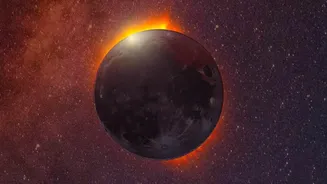
A deep partial lunar eclipse is set to occur on August 28. During this event, a large portion of the Moon will pass through Earth's darkest shadow. Unfortunately for observers in India, this eclipse will not be visible. The event reaches its maximum phase at approximately 9:43 AM Indian Standard Time, when it will be daytime across the subcontinent and the Moon will be below the horizon. The spectacle will be visible across the Americas and parts of Europe and Africa. As the eclipse is not visible here, the associated rituals and sutak will not apply.
Looking Ahead: The Best Is Yet to Come
While August offered some fantastic sights, many astronomers in India consider the Geminid meteor shower in December to be the main event of the year. Peaking on the night of December 13-14, the Geminids are known for being incredibly prolific, with potential rates of up to 120 meteors per hour under ideal conditions. What makes the 2026 Geminids especially promising is that the peak coincides with a thin crescent moon that will set early, leaving the sky dark for most of the night. Furthermore, December skies are typically clear and dry across most of India, free from the challenges of both monsoon clouds and winter fog, making it the most reliable time for a successful stargazing session.