





The Problem with 'Monsoon Diets'
Every year, as the first drops of rain hit the parched earth, a wave of well-meaning but often contradictory advice washes over us. “Avoid leafy greens!” one article proclaims, while another suggests having them well-cooked. “Stay away from dairy!” a third
warns, just as you’re reaching for a comforting glass of turmeric milk. This annual ritual of food-related fear-mongering turns a season of joy into one of anxiety. The truth is, rigid 'monsoon diets' are rarely sustainable or enjoyable. They often create a cycle of restriction and craving. The more you’re told you can’t have street-side bhajiyas, the more you want them. This approach overlooks a fundamental truth: our bodies are incredibly wise. Instead of fighting your cravings with a list of forbidden foods, what if we listened to what our bodies are truly asking for during this damp, cool season?
What Your Body Really Needs
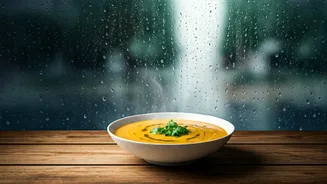
According to traditional Indian wisdom, including Ayurveda, the monsoon season (Varsha Ritu) is a time when our digestive fire, or 'agni', is at its weakest. The dampness in the environment can make our systems sluggish. This is why you might feel less hungry or more prone to indigestion. It’s also why your body instinctively craves things that are warm, light, and easy to digest—not necessarily a plate of cold salad. This is the logic behind traditional monsoon eating. It’s not about banning entire food groups but about choosing foods that support your digestion and boost immunity. Think warm soups, gently spiced lentils, and cooked vegetables. The goal is to provide comfort and strength, not to punish yourself. The focus should be on nourishing the body to help it navigate the change in season, making you less susceptible to the coughs and colds that are common during this time.
Meet the Ultimate Monsoon Comfort Bowl
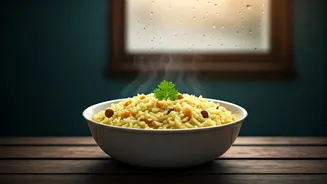
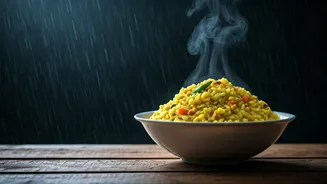
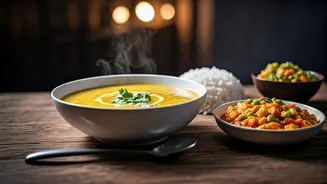
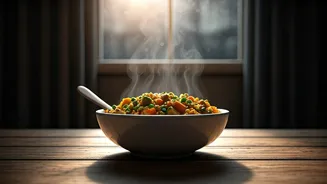
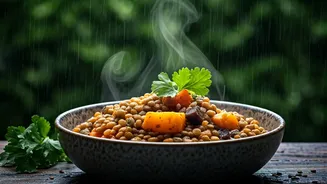
Forget the complicated rules and embrace a single, powerful concept: the monsoon comfort bowl. This isn't one specific recipe but a philosophy built into a bowl. At its heart, it’s a warm, savoury, one-pot meal that combines grains, protein, and vegetables in a format that’s incredibly easy for your body to handle. The perfect candidate for this role is our very own, humble yet magnificent, Khichdi. But this isn't the bland, watery version often associated with illness. This is a vibrant, flavourful, and deeply satisfying Masala Khichdi, loaded with vegetables and aromatic spices. It’s the culinary equivalent of a warm hug on a rainy day. It ticks all the boxes: it’s warm, hydrating, packed with nutrients, and thanks to the spices, it actively aids digestion and boosts immunity. It’s a complete meal that leaves you feeling light yet content.
How to Build Your Perfect Bowl
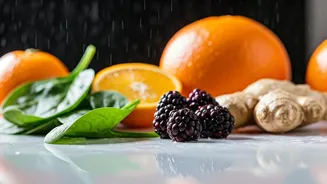
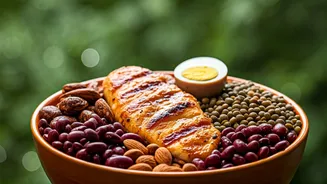
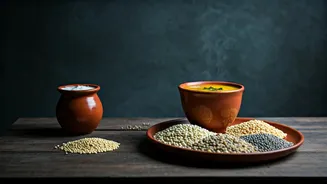
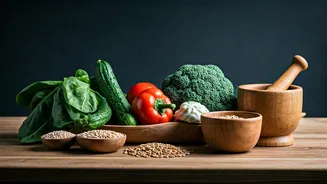
The beauty of the comfort bowl lies in its versatility. You can adapt it based on what you have and what your body feels like. Here are the basic building blocks: * **The Base:** Use a combination of rice (white or brown) and a quick-cooking lentil like yellow moong dal or red masoor dal. The classic 1:1 ratio makes it protein-rich and easy on the stomach. * **The Vegetables:** Opt for seasonal, easy-to-digest vegetables. Think carrots, green beans, peas, lauki (bottle gourd), and pumpkin. Chop them small so they cook down and meld into the texture. * **The Healing Spices:** This is where the magic happens. A base of ginger, garlic, and green chillies provides the first layer of flavour. Then, add powdered spices like turmeric (haldi) for its anti-inflammatory properties, cumin (jeera) for digestion, and a touch of asafoetida (hing) to prevent bloating. * **The Finishing Tadka:** A final flourish of ghee tempered with cumin seeds, mustard seeds, and perhaps a dried red chilli elevates the dish from simple to sublime. Ghee is a healthy fat that helps your body absorb nutrients and aids digestion.