





The New Himalayan Workstation
For years, the allure of Darjeeling was tied to brief, scenic holidays: a ride on the Toy Train, a sunrise over Kanchenjunga, a walk through sprawling tea estates. But a new narrative is taking shape, one pixel and Zoom call at a time. The town is quietly
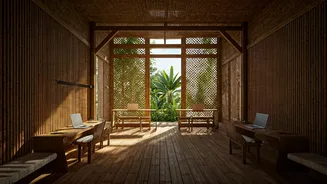
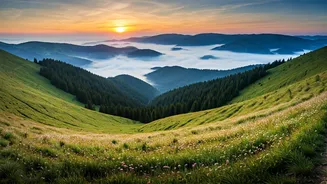
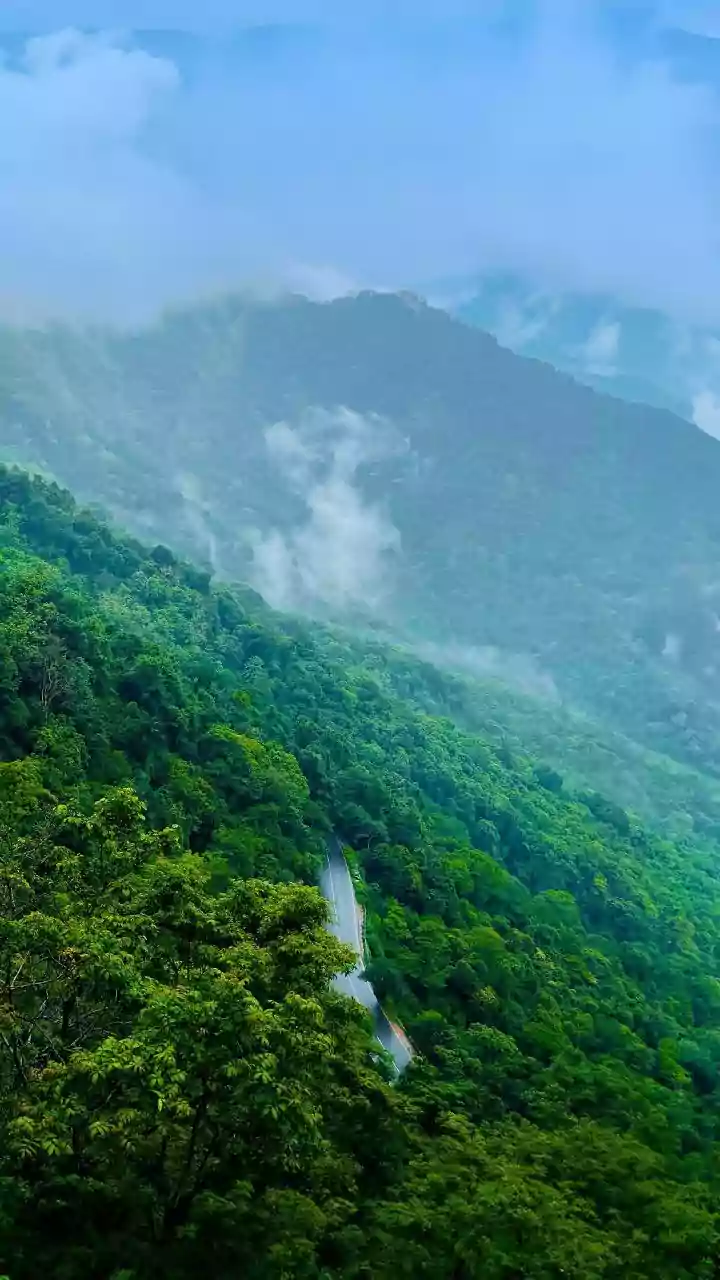
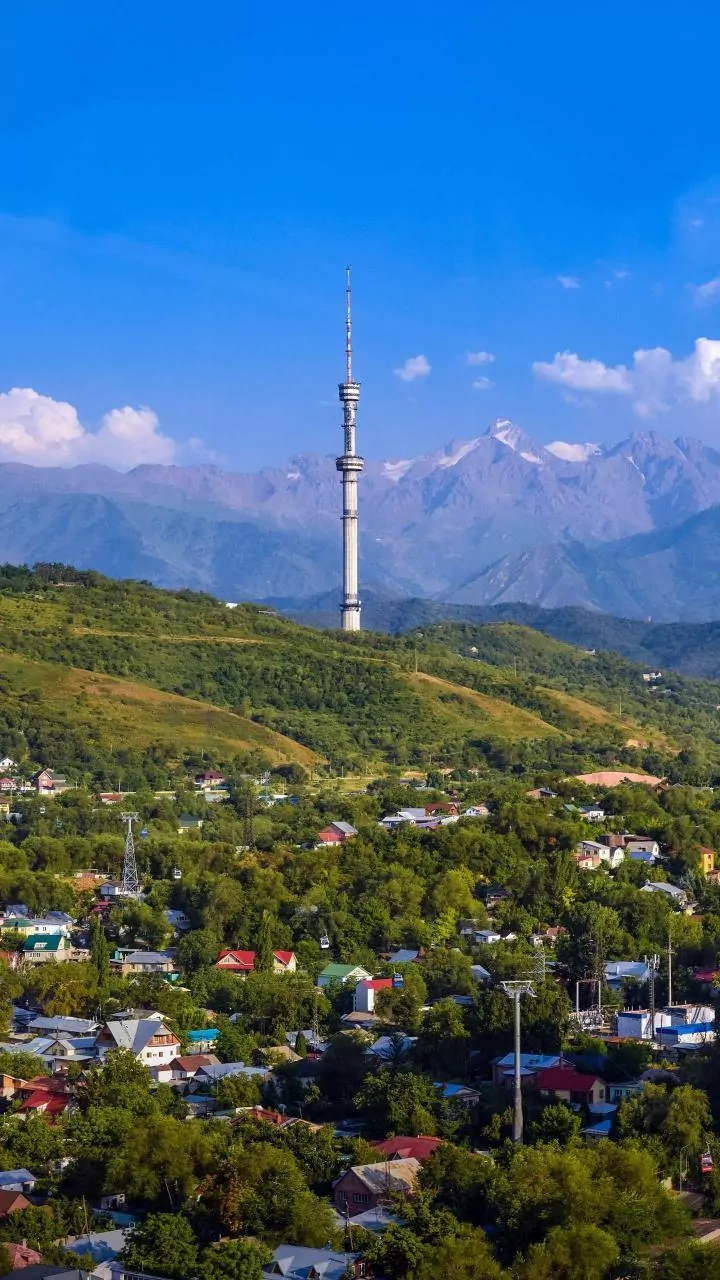
becoming one of India's most sought-after destinations for digital nomads and remote workers. The images flooding social media aren't just of misty mountains; they're of laptops perched on cafe tables with those mountains in the background, captioned with hashtags like #WorkFromHills and #DigitalNomadIndia. This isn't just about a change of scenery. It represents a fundamental shift in how professionals view the integration of work, life, and well-being, with Darjeeling emerging as the perfect backdrop.
Connectivity in the Clouds
The single biggest barrier that once kept the mountains off-limits for serious remote work was unreliable internet. That barrier has crumbled. Thanks to the expansion of high-speed fibre optic networks and dependable 4G services from major telecom providers, Darjeeling now offers the connectivity required for uninterrupted video conferences, large file transfers, and cloud-based collaboration. This technological leap has been the primary enabler of the trend. Professionals can now confidently swap their cramped city apartments for airy homestays without sacrificing productivity. It’s the modern promise fulfilled: the tranquillity of the Himalayas paired with the digital horsepower of a metropolitan office.
The Rise of the 'Work Cafe' Culture
While dedicated co-working spaces are still emerging, the town's vibrant cafe culture has stepped in to fill the void. Iconic establishments like Glenary's and Keventer's, once purely tourist haunts, now see a regular daytime crowd of people with laptops. Newer, smaller cafes have also leaned into this identity, offering free Wi-Fi, plentiful charging points, and a welcoming atmosphere for those looking to work for a few hours. These spaces provide more than just a desk; they offer a sense of community. Nomads share tips on the best network providers, hidden trekking trails, and where to find the best momos, creating an organic, collaborative ecosystem that is a major part of the appeal.
An Affordable, High-Quality Lifestyle
Compared to the skyrocketing rents and living costs in cities like Bengaluru, Mumbai, or Delhi, Darjeeling presents a compelling financial argument. A comfortable homestay or a small rented flat can be secured for a fraction of the price of a metro-city equivalent. The savings extend to daily expenses, from food to local transport. This affordability doesn't come at the cost of quality of life; in fact, it enhances it. The money saved allows for a more balanced lifestyle, with weekends free for exploring nearby villages like Kalimpong and Kurseong, trekking in the Singalila National Park, or simply indulging in the slow-paced, peaceful rhythm of mountain life. It's a chance to build savings while simultaneously upgrading your living environment.
Beyond the Laptop: A Holistic Experience
Ultimately, the trend is about more than just reliable Wi-Fi and cheap rent. It’s about what happens when the laptop closes. It’s about starting the day with a walk through crisp mountain air instead of a traffic-choked commute. It's about spending an evening by a fireplace with a book and a cup of locally grown tea. Darjeeling offers a rich cultural tapestry, a blend of Nepali, Tibetan, and Bengali influences that is reflected in its food, festivals, and people. This holistic appeal—the combination of productivity, affordability, natural beauty, and cultural immersion—is what makes the Darjeeling experience so potent and shareable. It’s not just a workcation; it’s a lifestyle redesign.