





The Karat Question: What Does Purity Mean?
Before diving into 22K versus 24K, it's essential to understand the 'K' or karat system. Karat is the unit used to measure the purity of gold, on a scale of 24 parts. The higher the karat number, the greater the amount of pure gold in your item. This
purity level directly impacts the gold's colour, durability, and price. Think of it as a ratio: a 22K gold item means 22 parts are pure gold and the remaining two parts are other metals. This system provides a clear standard for buyers to assess the quality of gold.
24K Gold: The Purest Form
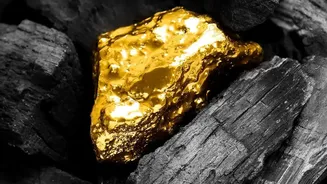
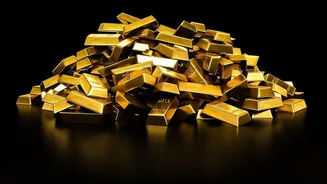
24-karat gold is the purest form of gold you can buy, typically rated at 99.9% purity. Because it contains no other mixed metals, it has a distinct, vibrant yellow colour that is unmatched in its richness. This purity makes it extremely valuable and a preferred choice for investment purposes, often in the form of gold coins or bars. However, this purity comes with a trade-off. 24K gold is very soft and malleable, making it prone to scratching, bending, and deforming under pressure. This softness means it is generally unsuitable for everyday jewellery, especially intricate designs or pieces like rings and bracelets that endure daily wear.
22K Gold: The Practical Choice for Jewellery
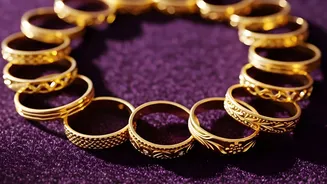
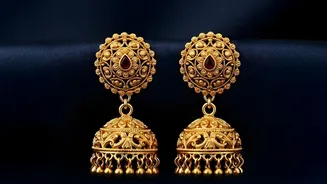
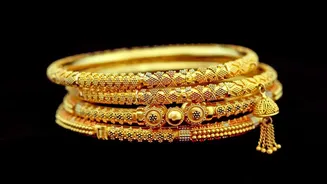
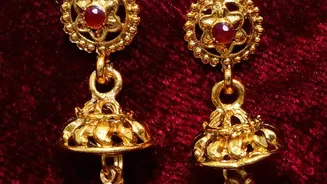
Often referred to as '916 gold', 22-karat gold is composed of 91.67% pure gold and 8.33% alloy metals like copper, silver, or zinc. This blend of metals is intentional; it significantly increases the gold's hardness and durability without drastically compromising its beautiful yellow hue. This makes 22K gold the preferred choice for crafting traditional and everyday jewellery in India and many other parts of Asia. It strikes a practical balance, offering high purity and value while being strong enough to withstand the rigours of regular use and hold intricate designs.
Key Differences at a Glance
The choice between 22K and 24K gold boils down to four main factors. In terms of purity, 24K is 99.9% pure gold, while 22K is 91.67% pure. This directly impacts durability; the alloys in 22K gold make it much harder and more resistant to scratches than the soft 24K gold. In appearance, 24K gold has a brighter, more intense yellow colour, whereas 22K has a slightly less vibrant but still rich golden tone. Naturally, due to its higher gold content, 24K gold is more expensive per gram than 22K gold.
Which is Better for You?
The answer depends entirely on your purpose. For pure investment, such as buying gold bars or coins that you plan to store, 24K gold is the superior option due to its higher intrinsic value and purity. You are acquiring the maximum amount of gold for your money. For jewellery, especially pieces you intend to wear frequently like wedding bands, bangles, or earrings, 22K gold is the more practical and recommended choice. Its enhanced durability ensures that the jewellery will maintain its shape and resist damage over time, making it suitable for long-lasting heirloom pieces.
Essential Buying Considerations in India
When purchasing gold jewellery in India, always look for the BIS hallmark. This is a certification from the Bureau of Indian Standards that guarantees the purity of the metal. A hallmarked piece of 22K gold will be stamped with "916" alongside the BIS logo. Pay close attention to the making charges, which are the costs of crafting the jewellery. These can vary significantly between jewellers and are often negotiable, so it's wise to compare them. Finally, always ask for a detailed bill that breaks down the gold rate, weight, making charges, and GST to ensure a transparent purchase.