



The Monsoon Advantage
While we often associate gardening with bright sunshine, the monsoon season is actually a secret weapon for budding gardeners in India. The overcast skies bring cooler temperatures, reducing the stress on young plants. The increased humidity creates a perfect
microclimate for germination, helping seeds sprout faster. And, of course, there's the free and regular watering, courtesy of the clouds. This natural assistance means less work for you and a more forgiving environment for your plants, making it the ideal time for beginners to dig in and get their hands dirty.
Your Starter Kit: Simple and Sustainable
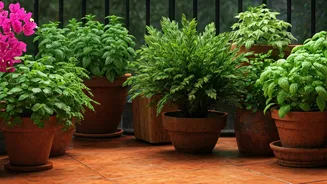
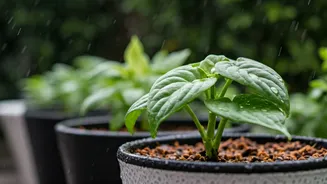
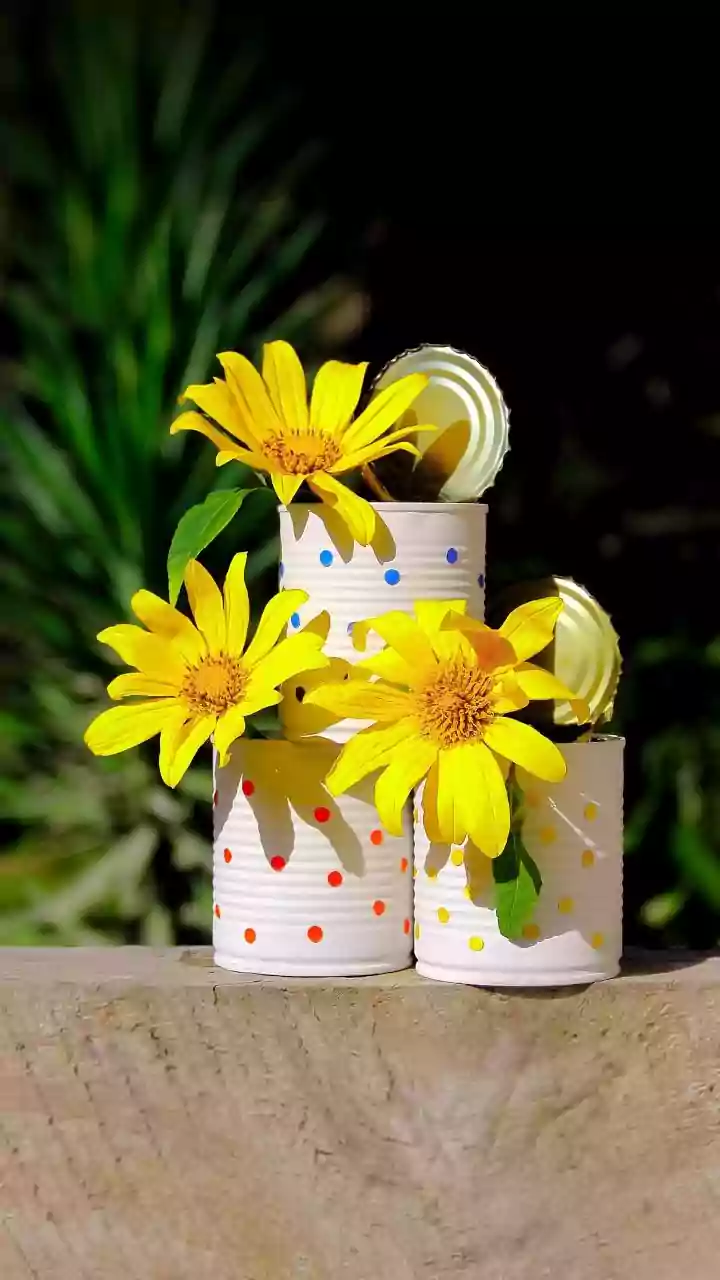
You don't need a sprawling lawn or expensive equipment to start. A successful kitchen garden can thrive in small spaces. First, find your containers. Terracotta pots, hanging baskets, or even upcycled plastic bottles and old paint buckets (with drainage holes punched in) work wonderfully. Next is the soil. Instead of using heavy garden soil, opt for a light potting mix. You can buy pre-made mixes or create your own using equal parts cocopeat, compost (like vermicompost), and perlite or sand. This ensures good drainage and aeration, which is crucial during the wet monsoon months. Finally, choose a spot that gets at least 4-5 hours of sunlight, even if it's indirect. A windowsill, a balcony railing, or a small corner of your terrace is all you need.
What to Plant Now
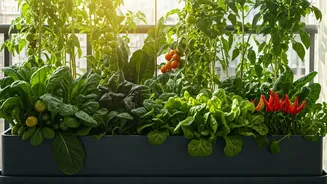
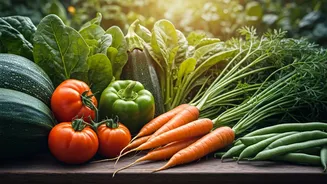
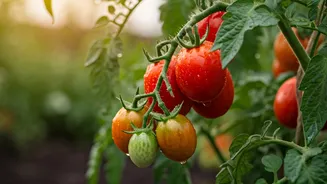
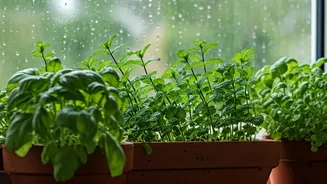
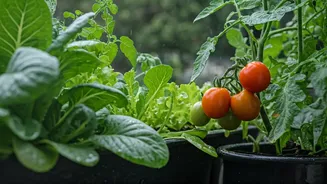
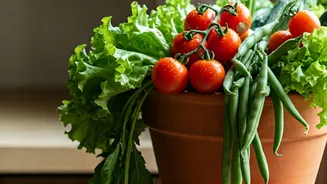
The key to a successful monsoon garden is choosing the right plants. Focus on leafy greens and fast-growing vegetables that love the damp conditions. Here are a few foolproof options: * **Spinach (Palak):** A classic for a reason. It grows quickly, and you can harvest leaves continuously. Plant seeds in a wide container and you’ll be making palak paneer with your own produce in a few weeks. * **Coriander (Dhania):** No Indian kitchen is complete without it. It thrives in the cooler monsoon weather. Sow seeds generously in a shallow pot for a constant supply of fresh leaves for garnishing. * **Mint (Pudina):** Incredibly easy to grow. You can even start a plant from a fresh stalk bought at the market. It’s a fast spreader, so keep it in its own pot. Perfect for chutneys and refreshing drinks. * **Chillies:** Most chilli varieties do very well during this season. Start with a sapling from a local nursery for a quicker harvest. They add a fresh, spicy kick to any meal. * **Tomatoes:** While they need some sun, many cherry tomato varieties flourish in pots during the monsoon. They grow fast and give you sweet, juicy fruits that are perfect for salads.
Avoiding Common Rainy-Season Traps
The monsoon’s biggest advantage—water—can also be its biggest challenge. The most common mistake is overwatering. Since the rain is already doing most of the work, only water your plants when the top inch of soil feels dry to the touch. Ensure every pot has drainage holes at the bottom to prevent waterlogging, which can rot the roots. The dampness can also attract pests like slugs and fungal diseases. A simple preventative measure is to spray your plants with a diluted neem oil solution every 10-15 days. Also, try to ensure good air circulation around your plants by not placing them too close together.
More Than Just Fresh Food
The trend of kitchen gardening goes beyond just having fresh, pesticide-free produce at your fingertips. It’s a powerful act of self-care. The simple process of tending to a plant, watching it grow from a tiny seed into something you can eat, is incredibly meditative and rewarding. It helps reduce stress, connects you to the cycles of nature, and offers a welcome screen-free activity. For families, it's a wonderful way to teach children where their food comes from. It fosters a sense of accomplishment and brings a touch of green, living beauty into our increasingly urban lives.