


The Data Points North-East
The monsoon is increasingly a preferred travel season for Indians, and recent booking trends confirm a growing fascination with destinations beyond the usual suspects. According to the latest data from travel platform Cleartrip, the Northeast has emerged
as the strongest-performing region this monsoon. This isn't just a minor uptick; it's a significant surge. Nagaland and Arunachal Pradesh have led the charge, recording a massive 62% year-on-year rise in flight bookings and an even more staggering 90% increase in hotel bookings. Specific cities are also at the heart of this boom. Hotel bookings have grown by over 65% in Shillong and more than 60% in Guwahati. Meanwhile, flight searches for Itanagar, Jorhat, and Imphal have jumped by over 70% and 50% respectively, indicating a broad-based interest across the region that has sustained itself from summer into the rainy months.
The Allure of a Greener Getaway
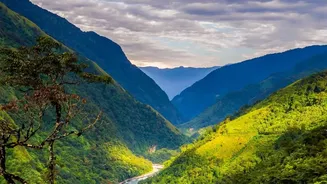
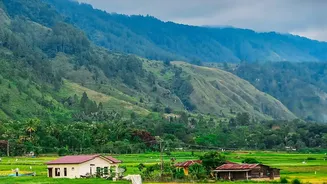
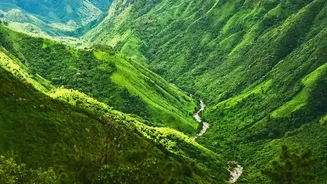
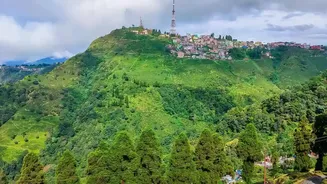
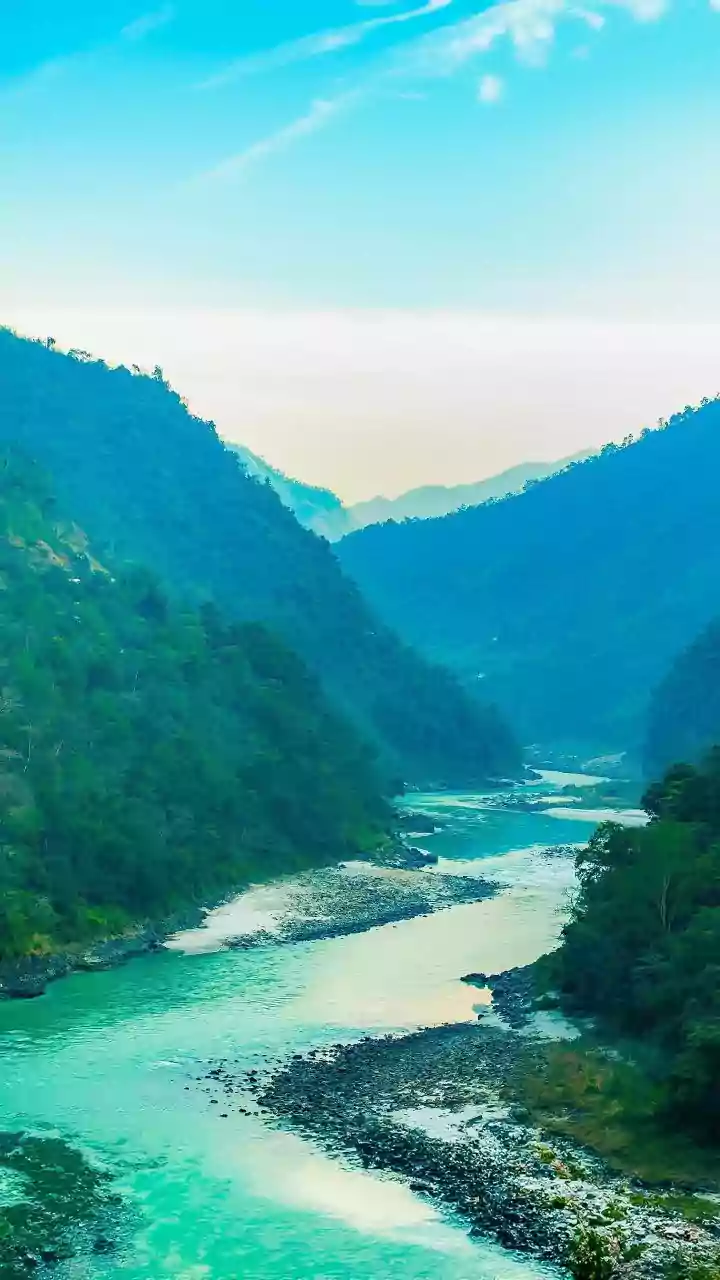
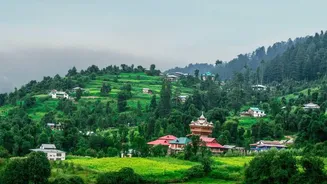
So, what's behind this pivot to the East? The answer lies in the unique experience the region offers when the rains arrive. While monsoons can disrupt travel in some parts of the country, in the Northeast, they transform the landscape into a lush, mist-covered paradise. The appeal is a move away from beaches and towards immersive, nature-based experiences. Travellers are actively seeking out the drama of roaring waterfalls, the serenity of emerald valleys, and the crisp, clean air of the hills. Unlike the often-crowded mainstream destinations, the Northeast in monsoon offers a quieter, more peaceful retreat. This shift is part of a larger trend where the experience itself, driven by intent rather than a simple checklist of places, is becoming the priority for the modern Indian traveller.
Destinations at the Heart of the Surge
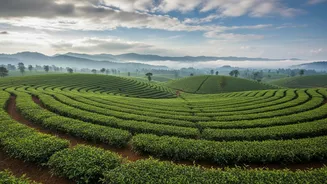
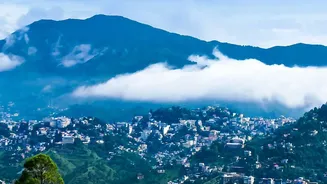
Meghalaya, the 'Abode of Clouds', is a clear favourite. Shillong, often called the 'Scotland of the East', becomes a dream-like city with its rolling hills wrapped in fog. Not far away, Cherrapunji, one of the wettest places on Earth, showcases nature at its most dramatic. Its famous waterfalls, like the towering Nohkalikai Falls and the multi-stream Seven Sisters Falls, are at their thunderous peak during this season. Assam also draws visitors with its rain-washed tea gardens and the majestic Brahmaputra river. Further, the rising interest in Arunachal Pradesh and Nagaland points to a growing appetite for offbeat cultural exploration alongside natural beauty. Even Sikkim, with its mist-laden monasteries and views of the Himalayas playing peekaboo through the clouds, is gaining traction among those willing to embrace the rain.
A New Kind of Monsoon Holiday
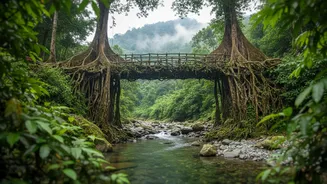
The trend reflects a change in what people want from a vacation. The Northeast monsoon traveller isn't just looking to relax; they are seeking adventure and connection. It’s about the thrill of driving on mist-covered roads from Shillong to Cherrapunji, trekking to a living root bridge, or exploring the depths of the Mawsmai Caves. It's about savouring the pleasant weather, which hovers between a cool 15°C and 25°C, a refreshing escape from the humidity in other parts of the country. This type of travel is less about a packed itinerary and more about slow, mindful experiences—enjoying a cup of local tea while watching the rain, discovering spontaneous waterfalls on a road trip, and experiencing the warm hospitality of the local communities.
What to Know Before You Go
While the Northeast is magical during the monsoon, it's essential to plan with care. The season, which typically runs from June to September, brings heavy rainfall that can lead to landslides and road blockages, particularly in more remote, mountainous areas of states like Sikkim and Arunachal Pradesh. It's crucial to check weather forecasts and road conditions before and during your trip. Packing is key: waterproof jackets, sturdy non-slip footwear, and quick-drying clothes are non-negotiable. It is also wise to build some flexibility into your itinerary, as travel can sometimes be delayed. However, for the prepared traveller, the reward is witnessing one of India's most stunning regions at its most vibrant and alive, often with the added benefits of fewer crowds and more budget-friendly travel options.