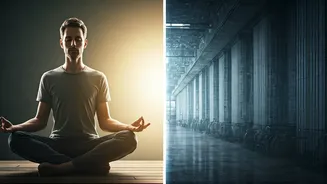










The Backlash Against Burnout
For years, especially in competitive environments like those in India, long working hours were seen as a badge of honour. This 'hustle culture' mindset suggests that success is directly proportional to the hours you put in, often at the expense of personal
well-being. However, a shift is underway. There's a growing recognition that this lifestyle is unsustainable. In India, where professionals report some of the longest working hours globally, the conversation around mental health and burnout is becoming louder. People are realising that constant stress leads to exhaustion, anxiety, and diminished productivity, not long-term success.
The Science of Why You Feel Drained
When you're under constant stress, your body is in a perpetual 'fight-or-flight' mode, leading to an overproduction of hormones like cortisol. This chronic state of alert disrupts sleep, weakens your immune system, and hinders your body’s ability to repair itself. Physically, muscles that are constantly tense from workouts or just poor posture need time to heal the micro-tears that exercise causes; without rest, this repair process is incomplete, leading to soreness and risk of injury. Mentally, the brain needs downtime to process information and consolidate memories. Without it, you experience cognitive fog, irritability, and an inability to focus. A recovery night is designed to actively counter these effects by shifting your body into a 'rest and digest' state.
Designing Your Ideal Recovery Night
A recovery night is more than just vegging out on the sofa while scrolling through your phone. It’s an intentional period dedicated to activities that calm your nervous system. The key is to reduce stimulation. Start by setting a 'screen curfew' at least 30 to 60 minutes before bed. The blue light from phones and TVs can suppress melatonin, the hormone that signals your body it's time to sleep. Instead, try creating a wind-down ritual. This could involve dimming the lights, playing soft music, or taking a warm bath. The goal is to create a clear transition from the stress of the day to a state of calm.
A Toolkit for Total Relaxation
Think of your recovery night in terms of soothing your mind, body, and senses. For your mind, practices like journaling can help you offload worries that might otherwise keep you up at night. Writing down your thoughts or a simple gratitude list can clear mental clutter. Meditation or simple breathing exercises, like the '4-7-8' method, are powerful tools for calming the nervous system. For your body, gentle stretching or a foam rolling session can release physical tension. Consider your senses: light a scented candle with a calming aroma like lavender, or sip on a cup of caffeine-free chamomile tea. These small, deliberate acts signal to your entire system that it is safe to relax.
From Luxury to Necessity
It's time to reframe rest. A recovery night isn't a reward you earn only after you’ve pushed yourself to the brink; it's a non-negotiable part of a healthy, productive life. It prevents burnout, enhances cognitive function, and supports your physical health. In the long run, consistent recovery allows you to show up with more energy, focus, and creativity in all areas of your life. It's not about doing less; it's about structuring your time to allow for the deep restoration that enables you to do your best work sustainably. By prioritising rest, you are making an investment in your long-term well-being and performance.