
Start With The Visuals
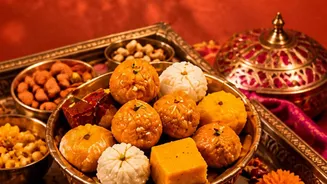
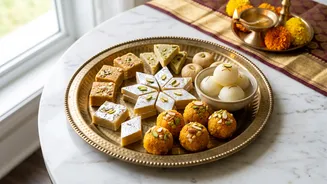
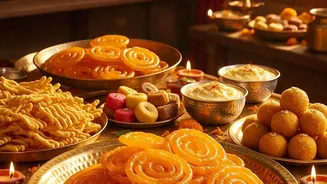
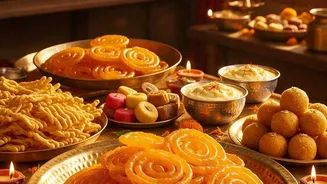
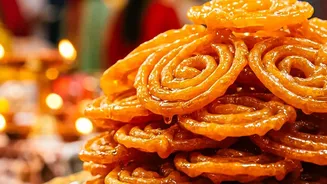
Your first line of defence is your eyes. Freshly made sweets have a vibrant, natural colour. Be cautious of mithai that looks excessively bright, as vendors may use synthetic, non-permitted colours like metanil yellow to make them more appealing. Look
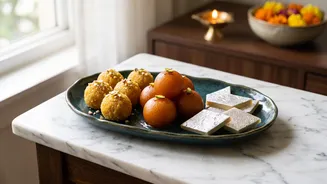
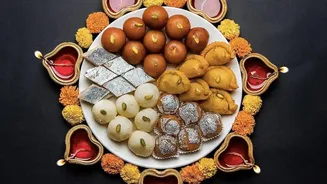
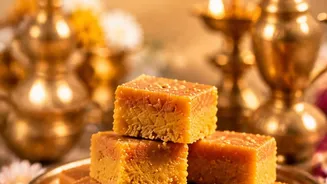
for a natural sheen, especially in ghee-based sweets like laddoos and barfis. A dull, dry, or cracked appearance often points to sweets that are old. If the sweet is supposed to be moist, like a gulab jamun or rasgulla, it should look plump and juicy, not shrunken or sitting in a cloudy, watery syrup.
Trust Your Sense of Smell
Never underestimate the power of your nose. Fresh mithai should have a pleasant, inviting aroma of its core ingredients, like roasted nuts, cardamom, fresh milk, or pure ghee. If you detect a sour, musty, or rancid smell, it’s a clear red flag that the sweet is stale or has been made with low-quality ingredients. The fats and oils in sweets can go bad over time, leading to an unpleasant smell and taste. If a shop has an overpowering, stale oil scent, it’s best to walk away. Don't hesitate to ask for a closer sniff before you buy in bulk.
Check The Texture and Touch
Texture is a key indicator of freshness. A good quality, fresh laddoo or peda should be soft and have a slightly grainy texture. If it feels hard, dry, or overly sticky, it has likely been sitting on the shelf for too long. For milk-based sweets made with khoya, you can perform a simple test. Take a small piece and rub it between your palms. Pure, fresh khoya will feel a bit greasy and leave a slight oily residue, while adulterated or stale khoya will feel pasty, dry, or unusually sticky. An overly crumbly texture can also indicate that the sweet has dried out and is no longer fresh.
Beware of Common Adulterants
During the festive rush, some sellers cut corners by using adulterants to increase quantity and profits. Khoya, or mawa, is frequently bulked up with starch, flour, or even blotting paper. Another common issue is with the decorative silver leaf, or 'vark'. Authentic vark is made of pure silver, but fakes are often made from aluminium, which is harmful. You can test this by gently rubbing the foil. Real silver vark will dissolve into your skin, whereas aluminium will roll up into a small, rough ball. Ghee is also sometimes adulterated with cheaper vanaspati or palm oil.
Ask Questions and Choose Wisely
A reputable vendor will be transparent about their products. Don't be afraid to ask when the sweets were made. Since 2020, the Food Safety and Standards Authority of India (FSSAI) has mandated that sweet shops display the 'Best Before Date' for loose sweets. Look for this information. If it’s not visible, ask the staff directly. It is always better to buy from trusted, licensed shops known for their hygiene and quality. Pay attention to how the sweets are stored and handled. Are they covered? Is the staff using gloves? These small details can tell you a lot about the shop's commitment to food safety.
When In Doubt, Taste a Sample
Most good sweet shops will allow you to taste a small piece before you purchase. This is the most direct way to check for quality. A fresh sweet will taste clean and its flavours will be distinct. If you notice any sourness, a strange chemical aftertaste, or if the texture feels wrong in your mouth—either too gritty from sugar crystallizing or pasty from starch—it’s best to avoid it. A stale or adulterated sweet will often taste 'off' or bland, as the natural flavours of the ingredients have faded. Trust your palate; if it doesn't taste right, don't buy it.