



Why Your Eyes Are So Vulnerable
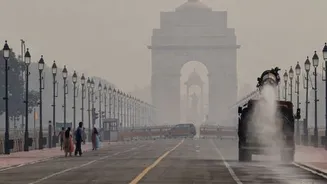
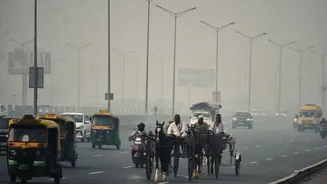
Our eyes are constantly exposed to the environment. The delicate, moist surface, known as the ocular surface, easily absorbs the pollutants swirling in the air. This toxic mix includes fine particulate matter (PM2.5 and PM10), nitrogen dioxide, ozone,
and sulphur dioxide from vehicle emissions, construction dust, and industrial fumes. These particles and gases disrupt the tear film, a crucial protective layer that keeps our eyes lubricated and clean. When this barrier breaks down, it leads to inflammation, irritation, and the uncomfortable symptoms many Delhi residents experience during high-pollution days.
Spotting the Telltale Signs of Distress
The body's reaction to air pollution isn't always subtle. Early warning signs often involve the eyes. The most common symptoms include redness, itching, and a persistent burning sensation. Many people also report a 'gritty' feeling, as if sand or a foreign particle is stuck in their eye. Other signs to watch for are increased sensitivity to light, watery eyes, and even moments of blurred vision. These symptoms tend to worsen after spending time outdoors on days with poor air quality. Ignoring these signals can lead to prolonged discomfort and may increase the risk of more serious issues like eye infections or corneal damage.
The Paradox: Dryness and Watering Explained
It might seem contradictory, but polluted air can cause both dry and watery eyes. Dry Eye Syndrome occurs when the tear film evaporates too quickly or isn't produced in sufficient quality to keep the eye lubricated, a process accelerated by pollutants. This leads to the classic symptoms of dryness, discomfort, and a gritty feeling. In response to this intense irritation, the eye may reflexively produce an excess of 'watery' tears. However, these tears are often of poor quality and lack the proper lubricating components of normal tears. So, while your eyes are watering, they aren't getting the moisture they actually need, creating a frustrating cycle of irritation.
Simple Steps for Daily Protection
While you can't control the outdoor air quality, you can take steps to shield your eyes. Whenever you step outside, wear wraparound sunglasses to create a physical barrier against pollutants. Try to limit time outdoors during early mornings on days with a high Air Quality Index (AQI). Inside your home, using an air purifier can significantly reduce airborne irritants. A humidifier can also add moisture to the air, which helps prevent tears from evaporating too quickly. It's also crucial to avoid rubbing your eyes, as this can transfer irritants from your hands and worsen inflammation. Staying well-hydrated by drinking plenty of water helps your body maintain adequate tear production.
At-Home Soothing Remedies
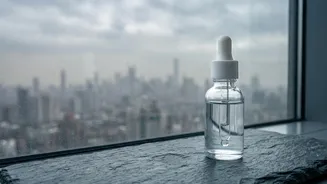
For mild irritation, several at-home remedies can provide relief. Applying a cold compress, such as a clean cloth soaked in cold water, over closed eyes for 10-15 minutes can reduce swelling and soothe burning. Over-the-counter lubricating eye drops, often called artificial tears, are effective for washing out irritants and restoring moisture. Experts recommend choosing preservative-free formulas, as they are gentler for frequent use. Chilled cucumber slices or even used, cooled green or black tea bags placed on the eyelids can also help reduce inflammation and discomfort due to their natural properties.
When You Must See a Doctor
While home care is often sufficient, some symptoms warrant professional medical attention. If you experience severe or persistent pain, redness, or swelling that doesn't improve after a few days, it's time to consult an eye specialist. Other critical red flags include any sudden change in vision, such as significant blurriness, extreme sensitivity to light, or a sticky discharge from the eye. These could be signs of a more serious infection or damage to the cornea that requires prompt diagnosis and treatment to prevent long-term complications.