





The Allure of Lingering
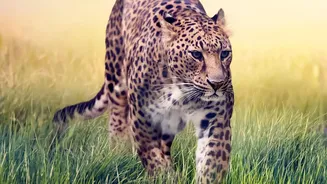
For any wildlife enthusiast, a sighting is a moment of pure magic. Whether it’s a leopard draped over a branch or a tigress leading her cubs, the desire to prolong the experience is overwhelming. We spend days in a park, hoping for a few precious minutes
in the presence of these magnificent creatures. In our excitement, it’s easy to believe that the longer we stay, the more meaningful the encounter. However, responsible tourism asks us to consider a different perspective: ours is just one of many vehicles, and the animal’s peace is more important than our photo album.
The Hidden Cost of Our Presence
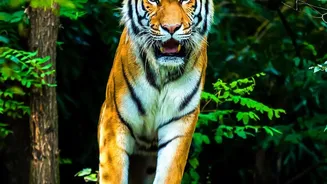
While an animal might appear calm, our presence can cause significant physiological stress. Studies in Indian tiger reserves have shown that tigers near tourism routes exhibit higher levels of stress hormones, known as glucocorticoids. This unseen toll, or 'allostatic load', can have long-term negative impacts on their health, reproductive success, and immunity. One study highlighted that tigresses are forced to find denning sites far from the disturbance of safari vehicles, which can drive them out of the best parts of the forest to raise their young. What looks like a peaceful scene to us can be a high-stress situation for the animal, whose only goal is to survive.
Reading the Signs of Stress
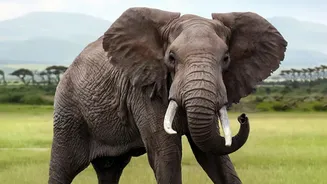
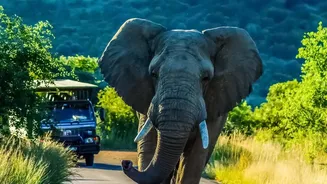
An ethical guide is trained to read subtle behavioural cues that indicate an animal is becoming agitated. A tiger might flick its tail repeatedly, flatten its ears, or let out a low growl. An elephant might flap its ears nervously or kick dust. These are not signs of aggression meant for us, but expressions of discomfort. Crowding an animal, making loud noises, or getting too close can trigger these reactions. A professional guide knows that when these signs appear, it is time to back off and give the animal space, even if it means cutting a sighting short. They understand that their primary duty is to ensure the wildlife remains wild and undisturbed.
The Sighting 'Traffic Jam'
In popular national parks, a good sighting can quickly lead to a 'traffic jam' of safari vehicles. While park rules often limit the number of vehicles at a sighting, the cumulative effect of jeeps arriving and leaving can create constant disturbance. A good guide practices what is often an unwritten rule: enjoy the sighting for a reasonable amount of time, perhaps 10 to 15 minutes, and then move on to allow others a chance. This isn’t just about being fair to other tourists; it’s about managing the overall pressure on the animal. By rotating vehicles, guides ensure that the disturbance is spread out and minimized, preventing any single animal from being surrounded for an extended period.
How to Be a Responsible Observer
As a tourist, your choices have a powerful impact. When selecting a tour operator, ask about their policies on wildlife viewing. Do they train their guides in animal behaviour and ethics? Do they adhere to park regulations, like speed limits and distance rules? During a safari, trust your guide's expertise. Avoid pressuring them to get closer or stay longer. Keep your voice low, silence your phone, and avoid sudden movements that could startle an animal. By showing your guide that you value the animal’s welfare over a perfect photograph, you empower them to make the right call. Supporting guides and companies that prioritize ethical practices helps ensure that wildlife tourism remains a force for conservation.