




First, What Is Your Skin Barrier?
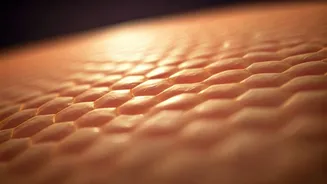
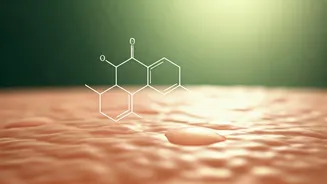
Think of your skin barrier as your body’s personal security guard. Known scientifically as the stratum corneum, it’s the outermost layer of your skin. It’s made up of tough skin cells called corneocytes, which are held together by a lipid mixture of cholesterol,
fatty acids, and the star of our story: ceramides. This 'brick and mortar' structure has two critical jobs: to keep good things (like water) in, and bad things (like pollutants, irritants, and bacteria) out. When your barrier is healthy and strong, your skin looks plump, hydrated, and calm. But when it’s damaged, it can lead to a host of problems.
The Modern-Day Attack on Your Barrier
Our skin barriers are under constant assault. In India, factors like high pollution levels, harsh UV rays, and extreme weather fluctuations can weaken its defences. But external factors are only half the story. Over-exfoliating with strong acids, using harsh cleansers that strip natural oils, stress, and even a poor diet can create tiny, invisible cracks in the barrier. This damage allows moisture to escape — a condition known as transepidermal water loss (TEWL) — leading to dryness and dehydration. It also allows irritants to penetrate the skin more easily, causing redness, sensitivity, itchiness, and flare-ups of conditions like eczema or rosacea. That 'tight' feeling after washing your face? It's often a sign that your barrier has been compromised.
Enter Ceramides: The Barrier's Best Friend
If the skin barrier is a brick wall, ceramides are the mortar holding it all together. They are lipids (fats) that are naturally found in high concentrations in the skin, making up over 50% of its composition. Their primary function is to bind the skin cells together, forming a protective layer that prevents moisture loss and shields the skin from environmental stressors. As we age, and due to skin damage, the natural production of ceramides in our body depletes. This depletion weakens the skin barrier, leading to the very issues of dryness and irritation we want to avoid. This is where topical ceramides come in. By replenishing your skin’s ceramide levels with serums, moisturisers, or cleansers, you can effectively patch up the 'mortar' and restore the barrier's integrity.
Why Are Ceramides Suddenly Everywhere?
For years, the beauty world was obsessed with aggressive treatments — harsh scrubs, high-percentage acids, and powerful retinoids. While these have their place, the pendulum is now swinging towards a more gentle, supportive approach. Consumers and dermatologists alike are recognising that a healthy barrier is the foundation of all good skin. You can’t build a strong house on a weak foundation. Ceramides are the star of this 'skinimalism' and 'barrier-first' movement because they don't force the skin to change; they simply give it back what it naturally needs to function at its best. They work for almost every skin type — from dry and sensitive to oily and acne-prone — because everyone needs a healthy barrier.
How to Add Ceramides to Your Routine
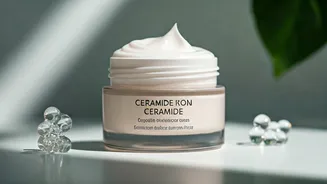
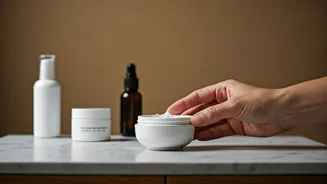
Incorporating ceramides is simple. They are most effective in products that are left on the skin, such as moisturisers, serums, and lotions. Look for 'ceramide' in the ingredient list — you might see Ceramide NP, AP, EOP, or phytoceramides. They are often paired with other beneficial ingredients like hyaluronic acid (for hydration), niacinamide (to soothe and further support the barrier), and glycerin (a humectant). Apply your ceramide moisturiser as the last step in your routine (before sunscreen in the morning) to lock in moisture and protect your skin throughout the day. For an extra boost, especially if your skin is very dry or compromised, a dedicated ceramide serum can be applied before your moisturiser.