


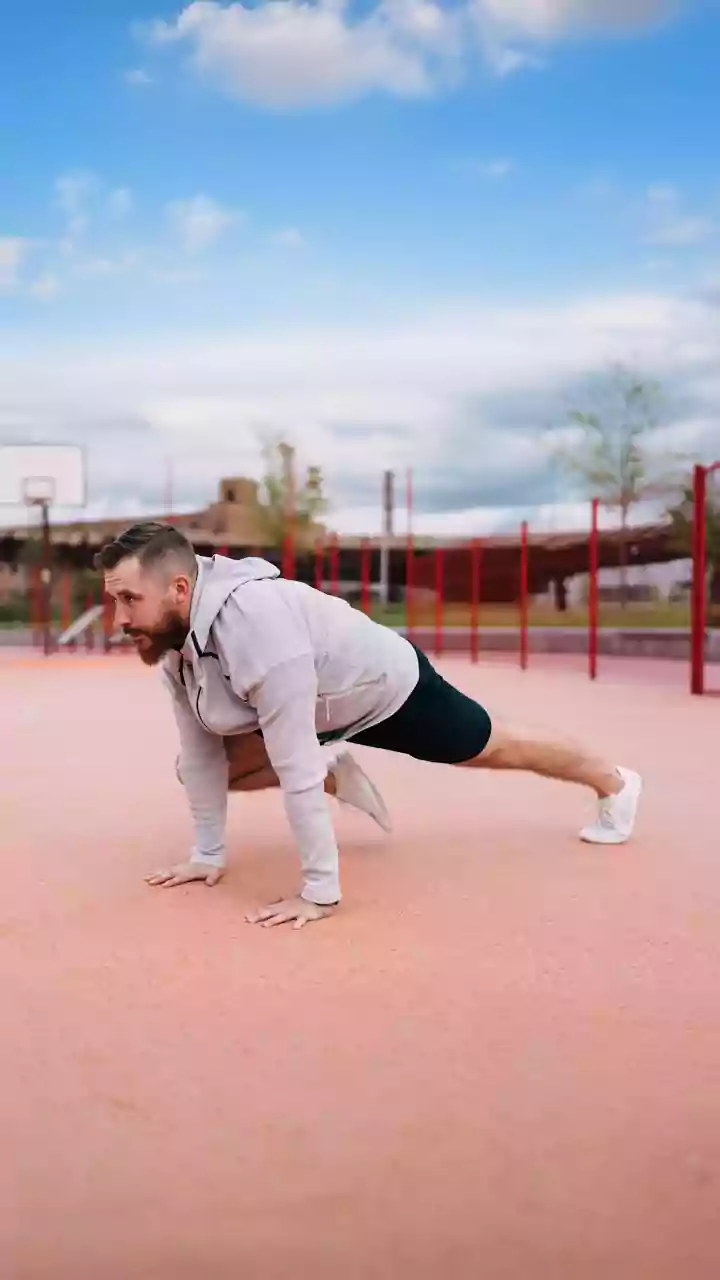





Beyond the Bend: A New Direction
Across yoga studios and online platforms, from Rishikesh to Mumbai, teachers are championing a more sustainable approach to asana. The new focus isn't on achieving the deepest backbend or the widest split, but on cultivating healthy, stable, and controlled
movement in our joints. This evolution marks a significant turn away from performance-based yoga towards a practice rooted in longevity and injury prevention. It acknowledges that for most people, the goal of yoga isn’t to become a contortionist, but to move through life with greater ease, less pain, and a body that feels strong and capable for decades to come. This trend reframes yoga as a tool for functional fitness, making it more accessible and beneficial for everyone, regardless of their natural flexibility.
Mobility vs. Flexibility: What's the Difference?
The terms are often used interchangeably, but they describe very different things. Think of it this way: flexibility is your body's passive range of motion. It’s how far a joint can be moved, often with external help (like a teacher pushing you deeper into a stretch). Mobility, on the other hand, is your active range of motion. It’s how far you can move a joint using only the muscles around it, with control. True mobility combines flexibility with strength and stability. While flexibility is a component of mobility, it’s not the whole story. You can be very flexible but lack the muscular control to move safely through that range, which can lead to instability and injury. The new focus in yoga aims to build this active, controlled mobility, which has far more practical benefits for daily life.
Why Joint Mobility Matters Now
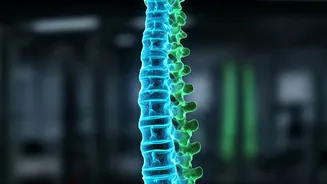
Our modern lifestyles are a major reason this shift is so vital. Hours spent sitting at desks, commuting in cars, or staring down at phones leave our joints stiff and our stabilising muscles weak. This immobility in key areas like the hips and thoracic spine forces other joints, such as the lower back and knees, to compensate, leading to chronic pain and strain. A yoga practice that focuses on mobility directly counters these effects. It works to 'un-stick' tight hips, mobilise the spine, and stabilise the shoulder girdle. This not only improves your yoga practice but translates directly into everyday movements, like picking up groceries, playing with your children, or simply getting out of a chair without groaning. It's preventative healthcare in motion.
Asanas for Healthy Hips and Shoulders
To incorporate this into your practice, focus on controlled, dynamic movements. For the hips, try Cat-Cow (Marjaryasana-Bitilasana) with an emphasis on pelvic tilts to warm up the connection to the spine. Instead of holding a deep lunge statically, try flowing gently in and out of it to warm up the hip joint. For shoulders, focus on Thread the Needle (Parsva Balasana) for thoracic rotation and simple, controlled arm circles in all directions while standing or sitting. The key is to move slowly and mindfully, paying attention to the quality of the movement rather than just the range. Think of it as 'flossing' your joints, cleaning out the stiffness and creating space.
Protecting Your Knees and Wrists
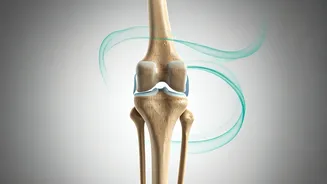
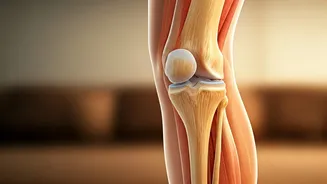
These are two of the most common areas for injury in yoga. A mobility-focused approach offers protection. For wrists, instead of dumping all your weight into the heel of your hand in poses like Downward-Facing Dog or Plank, actively press through all four corners of your palms and your fingertips. This engages the muscles of the forearm and creates stability. For knees, always ensure your knee tracks in the same direction as your middle toe in standing poses like Warrior II. In lunges, avoid letting the front knee jut past the ankle. Engaging your quadriceps and hamstrings to 'hug' the knee joint provides muscular support, taking the strain off the ligaments.