

Embrace Ancient Grains and Millets
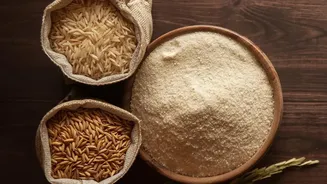
For generations, millets like jowar (sorghum), bajra (pearl millet), and ragi (finger millet) were staples across India. It's time to bring them back. Swapping refined white rice for these ancient grains can dramatically increase the nutritional value
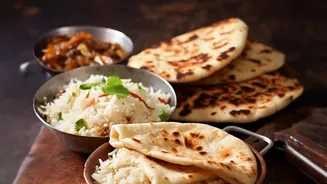
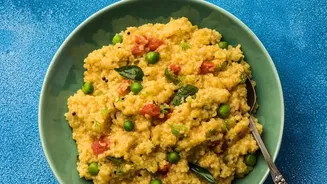
of your meals. Millets are packed with dietary fibre, which aids digestion, promotes fullness, and helps prevent sharp spikes in blood sugar. They are also significantly richer in essential minerals like iron, calcium, and magnesium compared to polished rice. For instance, ragi is a calcium powerhouse, crucial for bone health. Start by making millet rotis, preparing millet-based khichdi or pulao, or simply serving a millet grain as a substitute for rice with your favourite dal and sabzi. This single swap makes your meal more nutrient-dense and keeps you feeling energised for longer.
Choose Your Fats Wisely
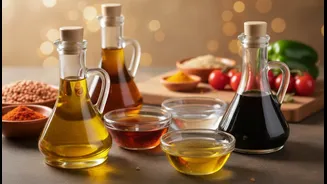
The type of oil you use is fundamental to Indian cooking. While refined oils are common, they are processed at high heat with chemicals, which strips them of their natural nutrients and antioxidants. A smarter choice is to switch to traditional, cold-pressed oils, also known as 'kachi ghani'. Cold-pressed groundnut, mustard, or sesame oils retain their natural flavour, aroma, and health-boosting compounds like Vitamin E and essential fatty acids. Ghee, or clarified butter, when used in moderation, is another excellent and stable fat for Indian cooking. For daily tadkas and light sautéing, cold-pressed oils are a superior choice, enhancing both taste and nutritional value.
Power Up with a Variety of Pulses
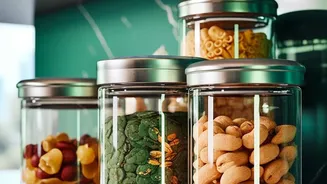
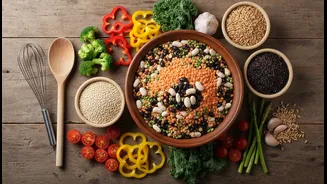
Dal is the backbone of Indian home cooking for a good reason. Pulses like lentils, beans, and chickpeas are nutritional powerhouses, offering an incredible combination of plant-based protein, complex carbohydrates, and dietary fibre. They help you feel full, manage blood sugar levels, and support heart health. While staples like toor and moong dal are fantastic, try expanding your repertoire. Incorporate rajma (kidney beans), chana (chickpeas), masoor dal (red lentils), and black-eyed peas into your weekly menu. Each type of pulse offers a unique profile of vitamins and minerals like iron, folate, and potassium. Using a diverse range of dals ensures you get a broader spectrum of nutrients.
Rethink Your Sweeteners
Many Indian sweets and beverages rely on sugar. A simple yet effective swap is replacing refined white sugar with traditional jaggery (gur). While both are sweeteners and should be used in moderation, jaggery is unrefined and retains vital minerals that are stripped from sugar during processing. Jaggery contains iron, magnesium, and potassium, making it a more nutrient-dense option compared to the 'empty calories' of white sugar. It also has a lower glycemic index, meaning it has a more gradual impact on blood sugar levels. The rich, caramel-like flavour of jaggery can also add a new depth to your chai, kheer, and other homemade sweets.
Your Spice Box is a Medicine Cabinet
Indian spices do more than just add flavour; they are packed with health benefits. Turmeric, the golden spice, contains curcumin, a compound with powerful anti-inflammatory properties. Cumin and fennel seeds aid digestion, while fenugreek (methi) can help regulate blood sugar. Ginger and garlic are known for their immunity-boosting and heart-protective benefits. Asafoetida (hing) is traditionally used to reduce bloating. Instead of relying on pre-made curry powders, which can lose their potency, stock whole spices and grind them as needed. This ensures maximum flavour and health benefits, turning your everyday meals into a form of delicious, preventive medicine.